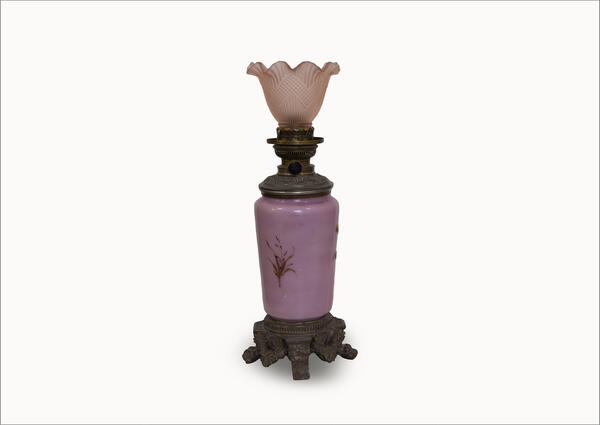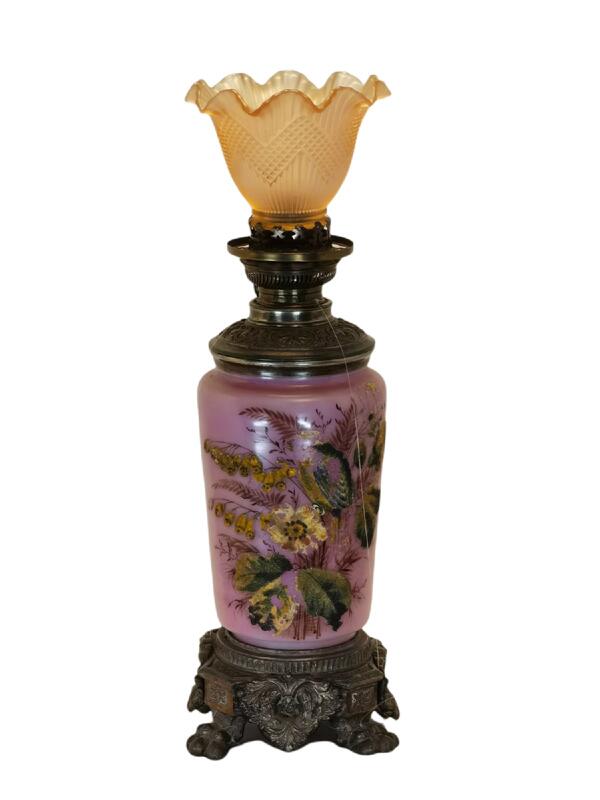
A kerosene lamp was a type of lighting device at the turn of the 20th century. Oil lamps and candles were becoming less common, the acetylene lamp was cumbersome and inconvenient, and electric lighting had not found its way into homes on a large scale. Unlike burnt fats, kerosene produced more light, less soot, and less unpleasant odors, and it almost did not make the lamp itself dirty. It is noteworthy that over time, people began to use kerosene not only as a form of fuel, but also as a means of disinfection — to get rid of lice.
In 1853, the pharmacists Jan Zech and Ignacy Lukasiewicz conducted experiments on the distillation and rectification of oil in Lviv. The oil came from the city of Boryslav, where significant oil deposits had been discovered (later they were developed by Robert Doms). In the course of these experiments, the pharmacists obtained kerosene and immediately used it as a substitute for oil in the oil lamp. This is how the safe kerosene lamp was invented. Later on, the innovation continued to be improved and upgraded.
Due to the physical properties of kerosene, capillary action takes place, which makes the substance rise for 13 centimeters in the wick, which was impossible for oil. Depending on the wick of the burner, the brightness of the lamps ranged from 50 to 100 lumens, the amount of light was about the same as from a 15-watt incandescent bulb.
The lamp from the museum’s collection is an Idealbrenner version, that is a burner which used a wide, flat wick rolled into a tube and resembled a stocking. This type of burner produced a brighter flame than conventional flat-wick burners. Hence, the Germans nicknamed it an “ideal burner”. However, such burners also had a disadvantage: they absorbed much more kerosene, and therefore only wealthy citizens could afford them.
This lamp has a “Hugo Schneider Pole Star” stamp. The regulator features an octagram (the Star of Bethlehem is one of the symbols associated with Jesus’ birth) with the initials HS — the logo of the factory. The Russian inscription in Cyrillic font indicates that the lamp was produced in Warsaw before the First World War.
In 1853, the pharmacists Jan Zech and Ignacy Lukasiewicz conducted experiments on the distillation and rectification of oil in Lviv. The oil came from the city of Boryslav, where significant oil deposits had been discovered (later they were developed by Robert Doms). In the course of these experiments, the pharmacists obtained kerosene and immediately used it as a substitute for oil in the oil lamp. This is how the safe kerosene lamp was invented. Later on, the innovation continued to be improved and upgraded.
Due to the physical properties of kerosene, capillary action takes place, which makes the substance rise for 13 centimeters in the wick, which was impossible for oil. Depending on the wick of the burner, the brightness of the lamps ranged from 50 to 100 lumens, the amount of light was about the same as from a 15-watt incandescent bulb.
The lamp from the museum’s collection is an Idealbrenner version, that is a burner which used a wide, flat wick rolled into a tube and resembled a stocking. This type of burner produced a brighter flame than conventional flat-wick burners. Hence, the Germans nicknamed it an “ideal burner”. However, such burners also had a disadvantage: they absorbed much more kerosene, and therefore only wealthy citizens could afford them.
This lamp has a “Hugo Schneider Pole Star” stamp. The regulator features an octagram (the Star of Bethlehem is one of the symbols associated with Jesus’ birth) with the initials HS — the logo of the factory. The Russian inscription in Cyrillic font indicates that the lamp was produced in Warsaw before the First World War.