

From the mid-19th century to the beginning of World War I, cards served as amusing pastimes in any social situation. Being essentially classless, card games were extremely popular.
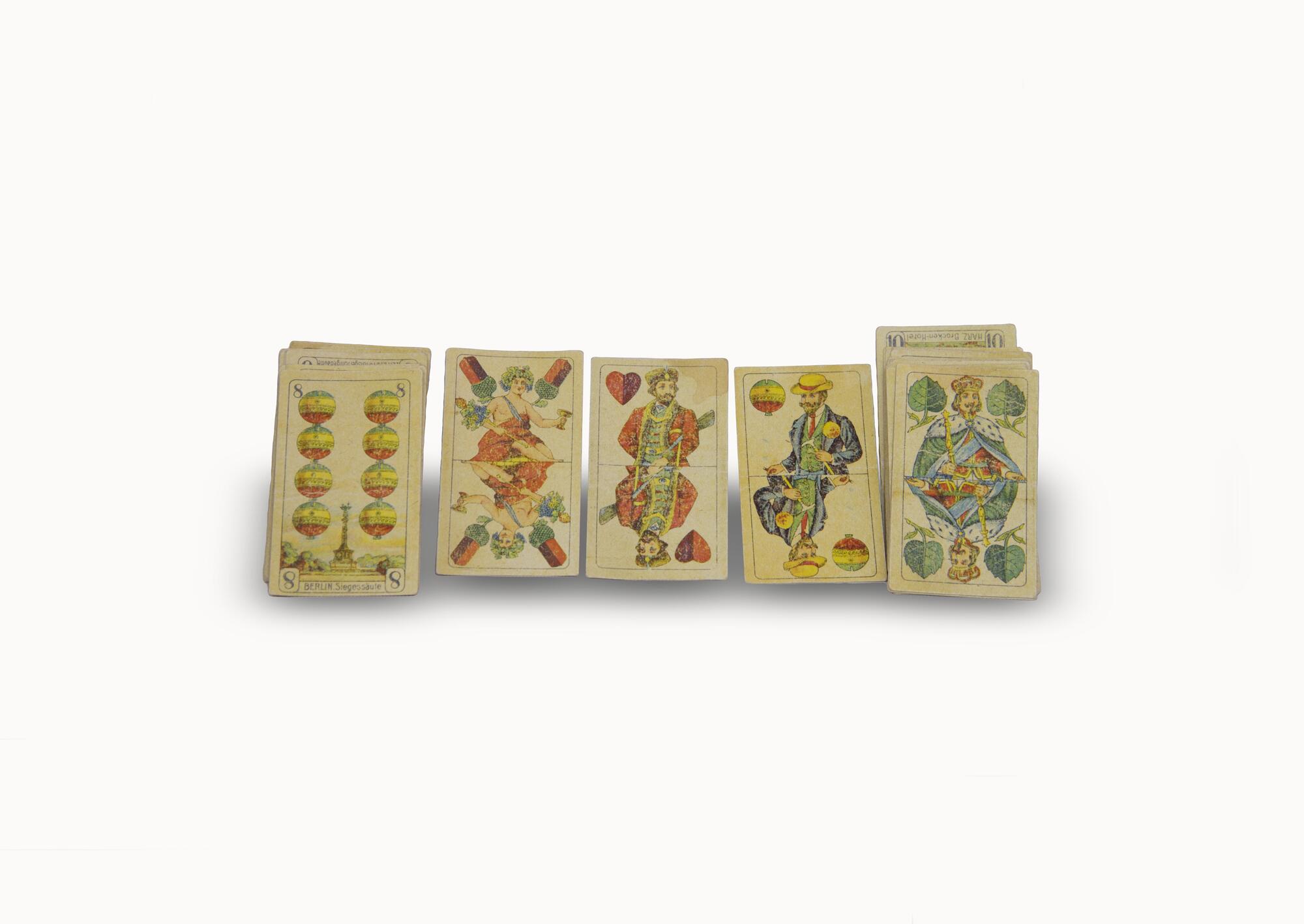
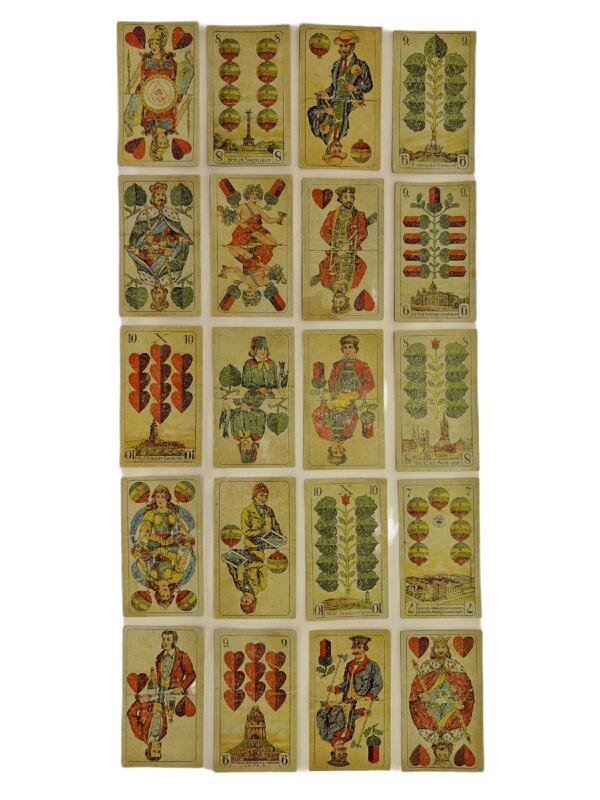
There were many types of packs, and depending on the country, each pack had its own specific features. These cards from the German pack differed from their French and Latin (including Italian and Spanish) counterparts and had unusual suits: leaves, hearts, bells, and acorns. The Swiss suit system was a derivative of the German one, with shields and roses replacing leaves and hearts. The Russian “Satin” deck is a combination of the French and German systems, and its present design was developed by the academics Adolf Charlemagne и Alexander Beydeman.
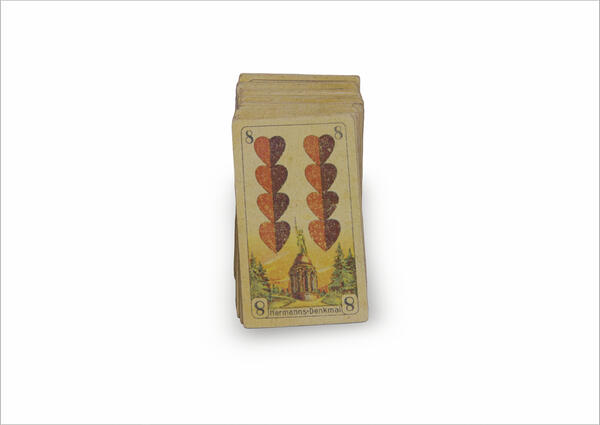
The German standard deck contains 32 cards and is used for such traditional games as Skat, Schafkopf, and Dopplerkopf. Christian Theodor Sutor was the first to print this pack in Naumburg in 1840. The aces depicted ancient gods: Diana, Athena, and Bacchus. Higher and lower military ranks were used instead of Queens and Jacks. And, unlike the French suits, the cards numbered 2 to 10 featured small landscapes: the Imperial Palace of Goslar, the Hermannsdenkmal in Detmold, the Victory Column in Berlin, the Old German House in Hildesheim, Germanisches National Museum in Nuremberg, the Imperial Court of Justice in Leipzig, a hotel on the slope of Brocken Mountain in the Harz Mountains, the Imperial Castle of Kyffhausen, Wartburg Castle, the Niederwald monument, the Monument to the Battle of the Nations, the central square in Halle, the Reichstag building, Altenburg castle, and the Old Town Hall of Wrocław.
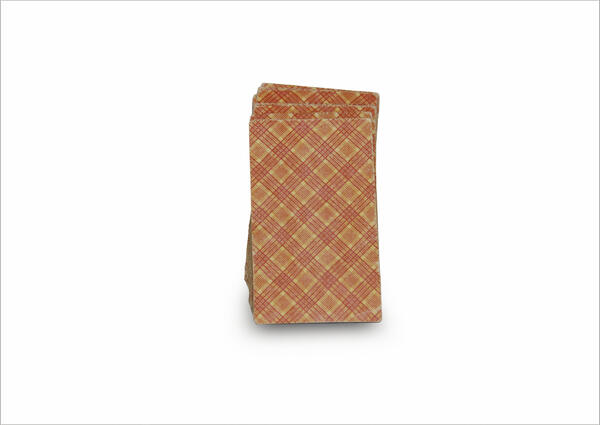
These cards were produced at the Altenburg card factory (ASS). The factory is still one of the largest in Europe. The city of Altenburg is located in the very east of Thuringia. The factory was founded on October 16, 1832 by the brothers Bernhard and Otto Bechstein. Over the long years of its existence, the factory changed many owners. At the shareholder’s meeting on February 14, 1931 it was decided to merge the company and the Stralsund Card Factory. The company was renamed and got its current trademark ASS — Altenburger und Stralsunder Spielkartenfabrik.
There were many types of packs, and depending on the country, each pack had its own specific features. These cards from the German pack differed from their French and Latin (including Italian and Spanish) counterparts and had unusual suits: leaves, hearts, bells, and acorns. The Swiss suit system was a derivative of the German one, with shields and roses replacing leaves and hearts. The Russian “Satin” deck is a combination of the French and German systems, and its present design was developed by the academics Adolf Charlemagne и Alexander Beydeman.
The German standard deck contains 32 cards and is used for such traditional games as Skat, Schafkopf, and Dopplerkopf. Christian Theodor Sutor was the first to print this pack in Naumburg in 1840. The aces depicted ancient gods: Diana, Athena, and Bacchus. Higher and lower military ranks were used instead of Queens and Jacks. And, unlike the French suits, the cards numbered 2 to 10 featured small landscapes: the Imperial Palace of Goslar, the Hermannsdenkmal in Detmold, the Victory Column in Berlin, the Old German House in Hildesheim, Germanisches National Museum in Nuremberg, the Imperial Court of Justice in Leipzig, a hotel on the slope of Brocken Mountain in the Harz Mountains, the Imperial Castle of Kyffhausen, Wartburg Castle, the Niederwald monument, the Monument to the Battle of the Nations, the central square in Halle, the Reichstag building, Altenburg castle, and the Old Town Hall of Wrocław.
These cards were produced at the Altenburg card factory (ASS). The factory is still one of the largest in Europe. The city of Altenburg is located in the very east of Thuringia. The factory was founded on October 16, 1832 by the brothers Bernhard and Otto Bechstein. Over the long years of its existence, the factory changed many owners. At the shareholder’s meeting on February 14, 1931 it was decided to merge the company and the Stralsund Card Factory. The company was renamed and got its current trademark ASS — Altenburger und Stralsunder Spielkartenfabrik.