In the Orthodox Church, a kamelaukion is a high brimless headdress on a stiff cardboard base. It has the shape of a cylinder and slightly flares at the top. The name comes from a Greek word that meant “camel”: the first hats of this kind were made of camel wool.
A kamelaukion is a part of everyday vestments worn by monks and priests. It is associated with Christ’s crown of thorns. Most often, these headdresses are black, but there are also other colors. For example, metropolitans wear white caps of this type.
The first kamelaukions of Orthodox clergy appeared in the 17th century and replaced skufias — soft headdresses, over which a hood was sometimes worn. Defenders of old traditions opposed the innovation that the Russians adopted from the Greeks, but gradually kamelaukions became a common part of the vestments. And in 1798, this headdress became a church award: the purple kamelaukion was given for special merits and diligent religious service. For the secular, that is, non-monastic clergy, this was the only opportunity to get this headdress: in all other cases, it was only for monks.
During the divine service, the priests are in the temple with their heads covered almost all the time. They take their kamelaukions off only at the most solemn moments: when they prepare bread and wine for communion, read the Gospel, and offer hymns of praise to Christ or the Mother of God. In such cases, the headdress is put aside or held in the left hand — it depends on the specific moment of the liturgy. All these rules are prescribed in the statute of the clergy and are strictly followed at every service.
Everyday kamelaukions are sewn with black crepe — a fabric that almost does not crumple and remains neat for a long time. From behind, basting is sewn to it — a long black mantle that descends on the back.
A kamelaukion is a part of everyday vestments worn by monks and priests. It is associated with Christ’s crown of thorns. Most often, these headdresses are black, but there are also other colors. For example, metropolitans wear white caps of this type.
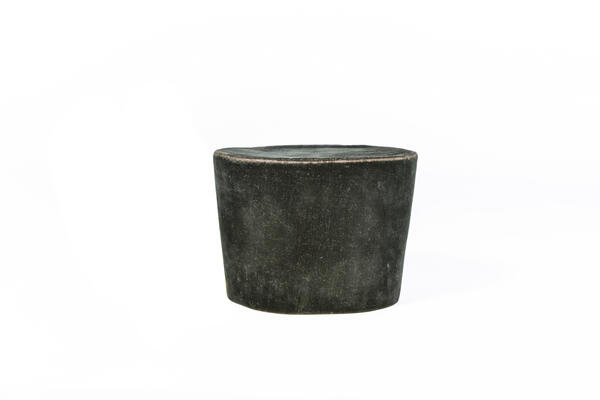
The kamelaukion from the Bishop’s House collection was made of black pile textile, the lining was made of dark brown material. To keep the shape of the headdress, a cardboard frame was placed inside; the bottom was also made stiff.
The first kamelaukions of Orthodox clergy appeared in the 17th century and replaced skufias — soft headdresses, over which a hood was sometimes worn. Defenders of old traditions opposed the innovation that the Russians adopted from the Greeks, but gradually kamelaukions became a common part of the vestments. And in 1798, this headdress became a church award: the purple kamelaukion was given for special merits and diligent religious service. For the secular, that is, non-monastic clergy, this was the only opportunity to get this headdress: in all other cases, it was only for monks.
During the divine service, the priests are in the temple with their heads covered almost all the time. They take their kamelaukions off only at the most solemn moments: when they prepare bread and wine for communion, read the Gospel, and offer hymns of praise to Christ or the Mother of God. In such cases, the headdress is put aside or held in the left hand — it depends on the specific moment of the liturgy. All these rules are prescribed in the statute of the clergy and are strictly followed at every service.
Everyday kamelaukions are sewn with black crepe — a fabric that almost does not crumple and remains neat for a long time. From behind, basting is sewn to it — a long black mantle that descends on the back.