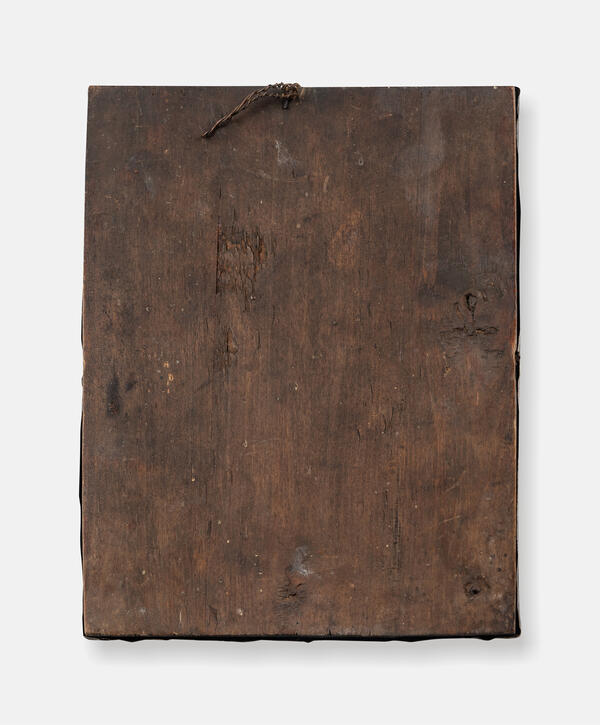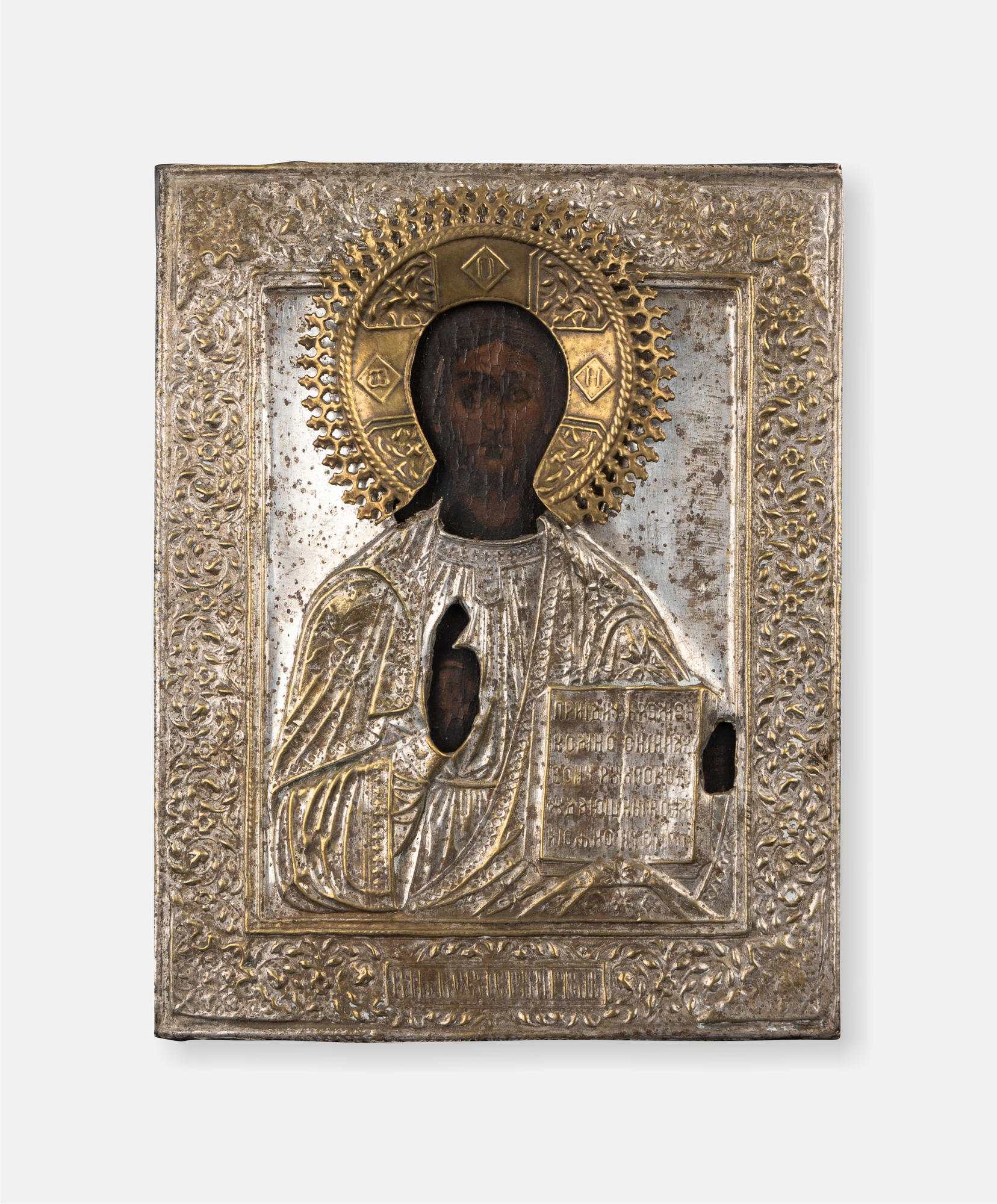


suggests that God is all-powerful and only He can control the fate of people. This term originated in the Old Testament and was originally used in reference to God the Father and later began to apply to Jesus Christ as well. This image has a specific meaning in Christian iconography. It symbolizes the unshakable and sincere faith. Such faith is an essential element of Christianity, which is why this type of icon is present in many churches.
The iconography of Jesus Christ is the most complex and diverse one in Christianity. In early Christian art in the Catacombs of Rome, Christ was often represented allegorically in the form of a lamb, pelican, dolphin, fish, Orpheus playing the harp, or “The Good Shepherd”, a shepherd carrying a lost sheep on his shoulders. At the Council of Trullo, held in 692, allegorical images of Christ were forbidden. The iconography of Jesus Christ was further developed in frescoes and mosaics of Christian churches of the Eastern and Western Roman Empires. The oldest surviving icon of Jesus dates back to the 6th century. However, some images, for example, the Image of Edessa, or the Savior Not Made by Hand, go back to the time when the Gospels were written. From Byzantium, icons of Christ came to Kievan Rus where new iconographic types were developed. The Russian iconography included many Orthodox icons of the Savior Not Made by Hand and Christ Pantocrator.
Christ Pantocrator is one of the most widespread icons of Jesus in Russia. The halo, illuminating the bright face of the Son of God, features a cross. It symbolizes the fact that Jesus represents God Who communicates His will to people through Jesus. The spiritual and theological context of the icon suggests that Jesus Christ is the all-powerful judge of the world, the source of truth and life: with His right hand He makes a blessing gesture, and in His left hand, He holds a book as a multi-layered symbol of the good news, the divine wisdom, and the book of life with the names of those who have been saved.
For the Christians who moved
to the Kaliningrad Region and brought this icon with them, it was particularly
valuable because they could not go to church. Between 1945 and 1985, there were
no Orthodox communities or churches in the Kaliningrad Region that was
conceived as an entirely atheist society.