#1
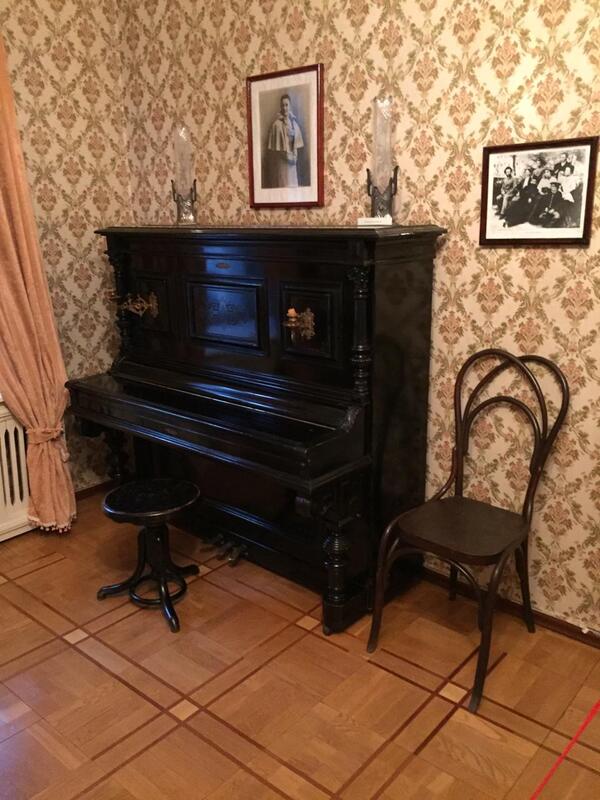
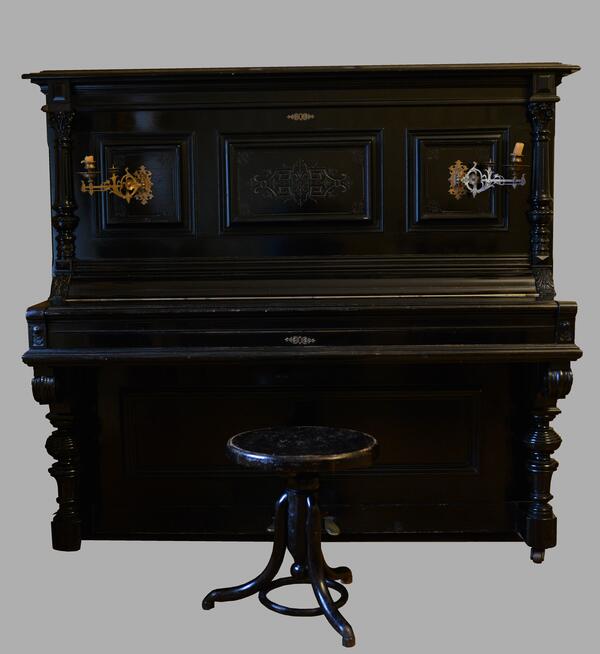
Fortepiano and Photograph of Anna Tsalikova
#3
#2
#4
For many years, Kosta Khetagurov remained a good friend of Archpriest Alexander Tsalikov, an outstanding Ossetian educator and teacher. Tsalikov single-handedly raised three daughters; Juliana, Elena and Anna, who worked in various educational institutions in Ossetia.
The Tsalikovy settled in Pyatigorsk in 1894 and quickly became respected members of the local community. Father Alexander was known as a man of broad perspective and diverse interests, and the Pyatigorsk intelligentsia often gathered in his cozy home. His daughters, educated, talented, and hospitable girls, were favorites of the Ossetian youth.
Relative of the Tsalikovy Sofya Tsalikova-Boikova recalled: ‘In Pyatigorsk, the Tsalikovs lived with their doors open. All the local Ossetians stayed with them. Therefore, it is not surprising that the young, brilliant officer of the Ossetian division Dzakhsorov Mamai was a frequent guest of the family. Meetings of the Ossetian intelligentsia were often held in the Tsalikov house. Kosta was recognized as the master of ceremonies. A brilliant improviser, he was always the center of attention. He could perform (despite his limp) lezginka dances and even mazurka dances very well. Tsalikova always rejoiced at Kosta’s arrival ‘.
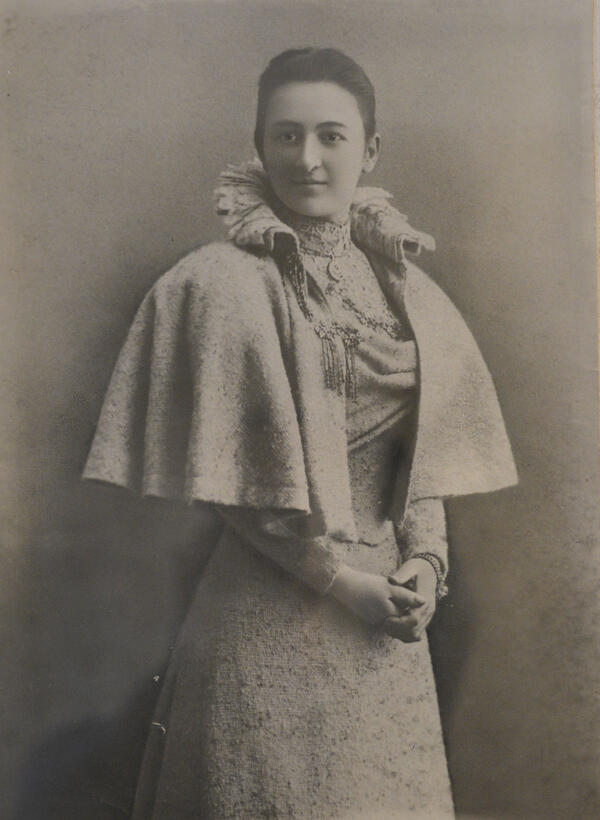
Anna Tsalikova was fond of music: she sang, danced, and even knew how to play the accordion and piano. The charming girl was spoiled by the attention of fans back in her years at the gymnasium, and in Pyatigorsk she was charmed by almost all the officers who served in the Ossetian division. Anna’s sister Elena wrote: ‘Our conscious life began, of course, in Pyatigorsk… We were big social workers, Anyuta and I were very fond of going to all the celebrations and weddings, took the most lively part in the dances — we performed all the Ossetian dances very well and appeared everywhere with our own harmony. Our father didn’t mind, of course’.
Kosta Khetagurov fell in love with Anna. He repeatedly confessed his strong feelings to her and offered his hand and heart. However, for a long time, she did not give the poet any clear answer: neither positive nor negative. This uncertainty in the relationship brought real pain to Kosta.
In 1892, Anna declared that she was still too young to think about marriage. However, Kosta did not give up trying to win her favor. He continued to write letters to her and even, being in exile, secretly went to Vladikavkaz to see and explain to the girl. However, Tsalikov again politely declined his offer.
The Tsalikovy settled in Pyatigorsk in 1894 and quickly became respected members of the local community. Father Alexander was known as a man of broad perspective and diverse interests, and the Pyatigorsk intelligentsia often gathered in his cozy home. His daughters, educated, talented, and hospitable girls, were favorites of the Ossetian youth.
Relative of the Tsalikovy Sofya Tsalikova-Boikova recalled: ‘In Pyatigorsk, the Tsalikovs lived with their doors open. All the local Ossetians stayed with them. Therefore, it is not surprising that the young, brilliant officer of the Ossetian division Dzakhsorov Mamai was a frequent guest of the family. Meetings of the Ossetian intelligentsia were often held in the Tsalikov house. Kosta was recognized as the master of ceremonies. A brilliant improviser, he was always the center of attention. He could perform (despite his limp) lezginka dances and even mazurka dances very well. Tsalikova always rejoiced at Kosta’s arrival ‘.
Anna Tsalikova was fond of music: she sang, danced, and even knew how to play the accordion and piano. The charming girl was spoiled by the attention of fans back in her years at the gymnasium, and in Pyatigorsk she was charmed by almost all the officers who served in the Ossetian division. Anna’s sister Elena wrote: ‘Our conscious life began, of course, in Pyatigorsk… We were big social workers, Anyuta and I were very fond of going to all the celebrations and weddings, took the most lively part in the dances — we performed all the Ossetian dances very well and appeared everywhere with our own harmony. Our father didn’t mind, of course’.
Kosta Khetagurov fell in love with Anna. He repeatedly confessed his strong feelings to her and offered his hand and heart. However, for a long time, she did not give the poet any clear answer: neither positive nor negative. This uncertainty in the relationship brought real pain to Kosta.
In 1892, Anna declared that she was still too young to think about marriage. However, Kosta did not give up trying to win her favor. He continued to write letters to her and even, being in exile, secretly went to Vladikavkaz to see and explain to the girl. However, Tsalikov again politely declined his offer.
#7
Author
unknownPlace: Main Depot of Musical Instruments and Notes, belonging to L.G. Adlera, city of Roston-on-Don, Russia
Dimensions: 143×70×38 cm
Dimensions: 143×70×38 cm
#6
#5
Photograph of Anna Alexandrovna Tsalikova
#8
In the late 1880s, Khetagurov became close with the Tsalikov family. The poet became close friends with the head of the family, Archpriest Alexander, and his three daughters, Juliana, Elena, and Anna.
The priest’s family supported Khetagurov during a difficult period in his life. According to the Tsalikov sisters' memoirs, in 1888-1889 the poet lived in Vladikavkaz and often moved from place to place, not having his own home. Khetagurov earned a living by painting, portraits in particular, and received an order to do a full-length painting of Emperor Alexander III. However, the room in which Khetagurov nestled was very small, and there the poet/artist couldn’t use a large canvas to work. Then, the brother of Kosta Levanovich’s stepmother, father Sukhiev, asked his brother-in-law Tsalikov to house the painter for at least a month so that he could fulfill the order. Father Alexander agreed, even though his house was currently not only his daughters and mother, but also his brother and brother’s entire family. The priest even gave Khetagurov a room with its own separate entrance.
In the Tsalikov house, Kosta Levanovich finished the emperor’s portrait, but didn’t rush to part with the hospitable family. He ended up living with them for an entire year. During this time, he managed to become a good friend of father Alexander: together, they fought against the closure of the Olginsky Women’s Educational Institution, the sole center for women’s education in Ossetia at that time. The poet also became interested in the archpriests’s youngest daughter, Anna, who was still studying at the gymnasium at that time. This was first noticed by family friend and director of the gymnasium, Viktor Kizer. It was delicately hinted to the tenant that such interest was unacceptable, so he moved out.
However, by that time, Khetagurov’s feelings for Anna had already become serious. The poet was in turmoil, suffering from loneliness and longing, and dedicated the poem ‘Alone, Again Alone Without the Native Ghost…’ to the girl.
The priest’s family supported Khetagurov during a difficult period in his life. According to the Tsalikov sisters' memoirs, in 1888-1889 the poet lived in Vladikavkaz and often moved from place to place, not having his own home. Khetagurov earned a living by painting, portraits in particular, and received an order to do a full-length painting of Emperor Alexander III. However, the room in which Khetagurov nestled was very small, and there the poet/artist couldn’t use a large canvas to work. Then, the brother of Kosta Levanovich’s stepmother, father Sukhiev, asked his brother-in-law Tsalikov to house the painter for at least a month so that he could fulfill the order. Father Alexander agreed, even though his house was currently not only his daughters and mother, but also his brother and brother’s entire family. The priest even gave Khetagurov a room with its own separate entrance.
In the Tsalikov house, Kosta Levanovich finished the emperor’s portrait, but didn’t rush to part with the hospitable family. He ended up living with them for an entire year. During this time, he managed to become a good friend of father Alexander: together, they fought against the closure of the Olginsky Women’s Educational Institution, the sole center for women’s education in Ossetia at that time. The poet also became interested in the archpriests’s youngest daughter, Anna, who was still studying at the gymnasium at that time. This was first noticed by family friend and director of the gymnasium, Viktor Kizer. It was delicately hinted to the tenant that such interest was unacceptable, so he moved out.
However, by that time, Khetagurov’s feelings for Anna had already become serious. The poet was in turmoil, suffering from loneliness and longing, and dedicated the poem ‘Alone, Again Alone Without the Native Ghost…’ to the girl.
#9
Alone, Again Alone Without the Native Ghost’
As if cut off from the world, from people, —
Without the spark of smoldering participation in the past,
Without the close-knit ranks of my loyal friends…
Again it is dark all around, painfully hopeless,
Empty, cold… the path has again become lost…
And how I wanted to live and believe selflessly,
With love for my neighbor overflowing out of my chest!
And how I wanted to open my hot embrace
And embrace the universe, as a friend,
To forgive my enemies, in response to their curses.
To suffer for them, to love, to suffer, to love them!!
As if cut off from the world, from people, —
Without the spark of smoldering participation in the past,
Without the close-knit ranks of my loyal friends…
Again it is dark all around, painfully hopeless,
Empty, cold… the path has again become lost…
And how I wanted to live and believe selflessly,
With love for my neighbor overflowing out of my chest!
And how I wanted to open my hot embrace
And embrace the universe, as a friend,
To forgive my enemies, in response to their curses.
To suffer for them, to love, to suffer, to love them!!
#10
Author
unknown
Date: 1888
Technique: photo paper, photo copying
Place: Vladikavkaz, Russia
Dimensions: 53×27 cm
Date: 1888
Technique: photo paper, photo copying
Place: Vladikavkaz, Russia
Dimensions: 53×27 cm
read morehide
00:00
00:00
1x
Fortepiano and Photograph of Anna Tsalikova
Collection
0
 Point your smartphone camera to open in the app
Open in app
Share