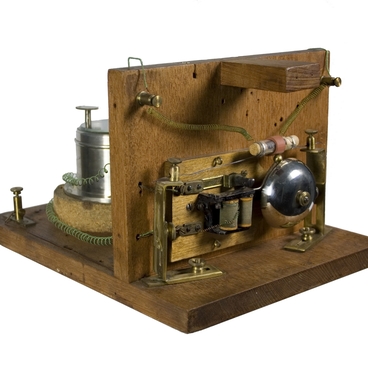
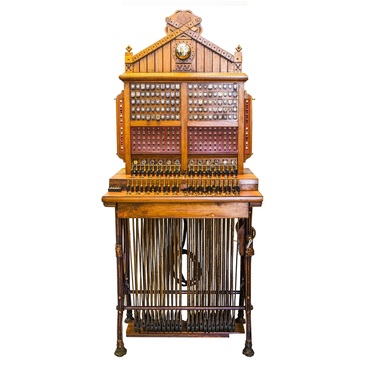
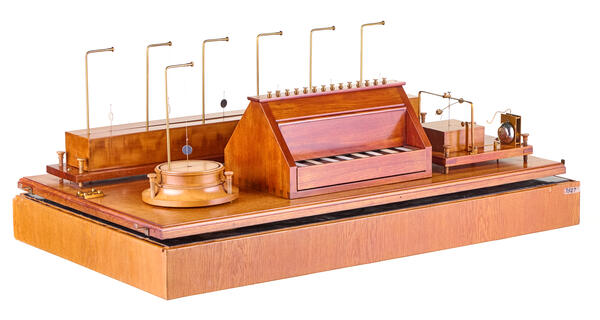
P. Shilling carried out his experiments with electromagnetic telegraph in late 1820-th — early 1830-th. In 1835 he demonstrated his invention in Bonn (Germany) to foreign scientists. This demonstration stimulated development of electric telegraph communications in the world.


Monuments of the science and technics
Creation period
1828-1835
Place of сreation
Russian Empire, St. Petersburg
Technique
Wood, brass, steel, ivory
Exhibition
5
Open in app#1
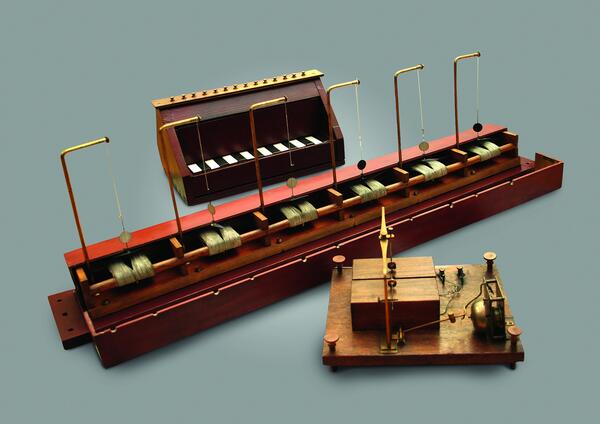
Combination of transmitter keyboard, receiver and calling apparatus
#2
#8
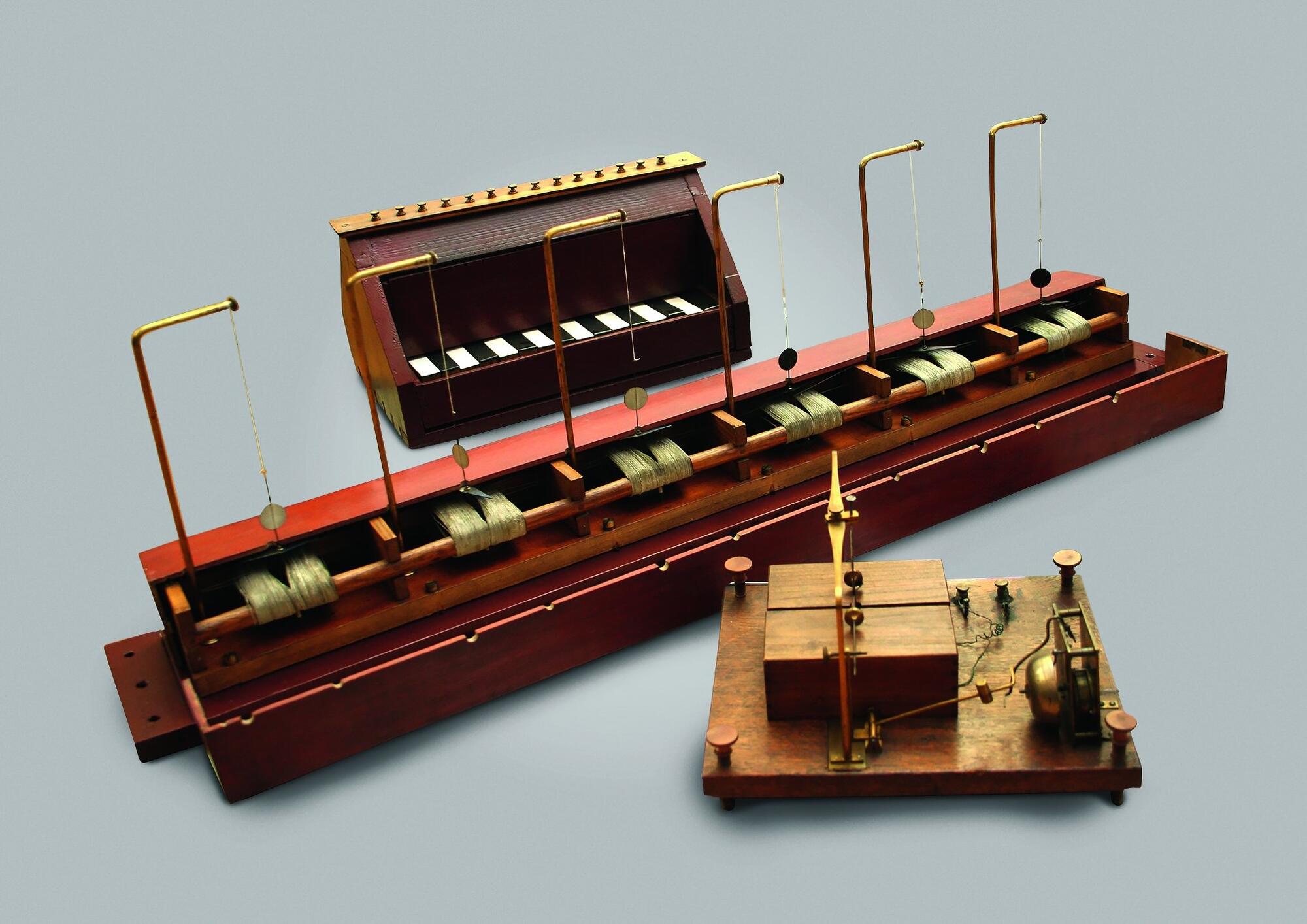
This receiver consists of six induction coils with magnetic needles. By pressing a certain combination of black-and-white keys the scientist made the electric current run through the coil and signal flags flashed black or white.
Shilling had also devices with five multipliers and one.
#7
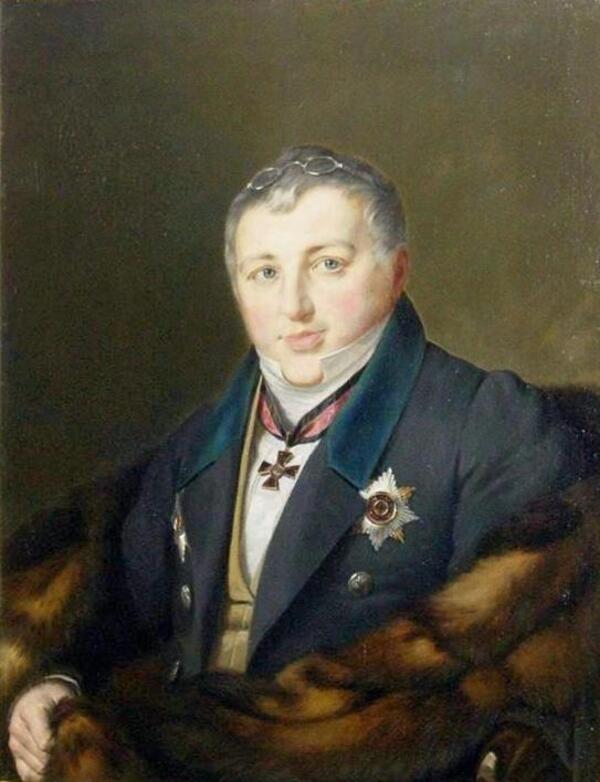
Portrait of Paul Shilling
Painter P. S. Turin
Russian Empire. First half of XIX cent. (?)
Canvas, oil
Painter P. S. Turin
Russian Empire. First half of XIX cent. (?)
Canvas, oil
Portrait of baron Paul Shilling (1786–1837), inventor or the first in the world electric telegraph.
He was a diplomatic official, a linguist and an orientalist, one of the leading experts in codes and ciphers in the Russian Empire. He is known in history of telecommunications owing to his interest to physics and electricity.
#10
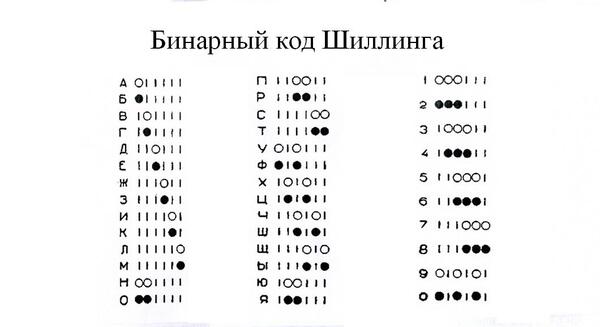
Six-unit code by P. Shilling
#11
<video controls>
<source src="https://rustelecom-museum.ru/MediaObjects/video/artifact/Шиллинг в действии.mp4" type="video/mp4">

</video>
read morehide
00:00
00:00
1x
Monuments of the science and technics
Creation period
1828-1835
Place of сreation
Russian Empire, St. Petersburg
Technique
Wood, brass, steel, ivory
Exhibition
5
 Point your smartphone camera to open in the app
Open in app
Share