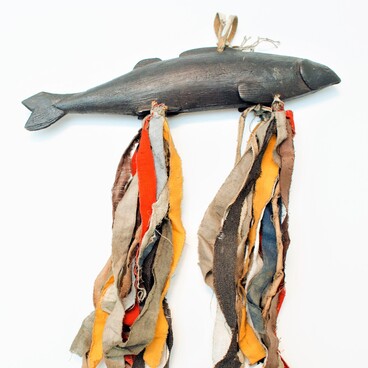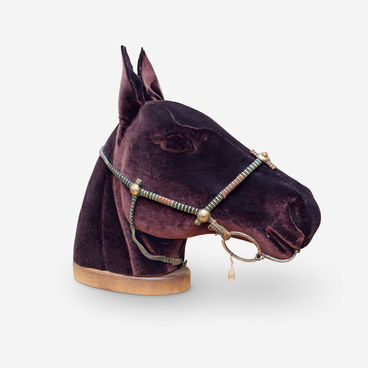
There is a shamanic ritual of ‘creation of the spirit-helper Eeren’. The helping spirits of the shaman (kam) and the receptacle in which they lived were also called eerens.
Kam created helpers by himself, they contained all his power and provided protection from evil spirits. It was believed that eerens were close to their shaman until his death. Without their help, no shaman would start a healing practice or go on a meditation journey during a shamanistic ritual.
Shamans created various eerens, that could be helping with work and other things. They could also be spirits that protected shamans and their loved ones, healed the sick, protected children and helped them to be born, etc.
Each Tuvan kam usually had several eerens. The longer the shaman lived and the more shamanistic rituals he performed, the more helpers he had for different occasions.
Eerens were usually created at night. Then, at dawn, the helper had to be revived, there was a special ritual for that. Shamans built a ritual fire and presented eerens to the Sun, the Spirits of the four elements, and the Spirits of the four sides of the world. Each of them was asked to breathe life and strength into the newly born helper and multiply its abilities. The ritual was performed to the sounds of a live tambourine and ritual invocations.
At the end of the ritual, shamans would name their eerens and ‘feed’ them. It was believed that it helped the spirit-helper to take one of the significant places in the creator’s dwelling. The ritual of feeding the eeren was repeated until the spirit fulfilled its purpose.
The eeren, who saved children from death, had another, ethnic name — Atkhas (Chegeldje eeren). It was believed that it not only protected children but also saved women from infertility.
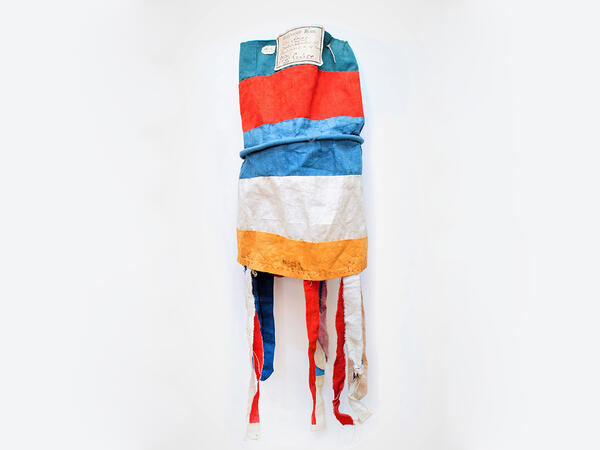
The image of the idol spirit, which is kept in the museum collection, was created in the 19th century. It was usually suspended from the unin of the yurt — the lattices that held the dome.
This eeren is made as a cylindrical-shaped cloth. It consists of five cotton ribbons of dark green, red, blue, white, and yellow, and they are sewn together. To give the eeren a stable shape, a thin wooden hoop was sewn into its center.
The upper part of the cylinder is decorated with a red braid, and the lower one depicts two human-looking figures with their backs to one another, one lower than the other. They are cut from red cotton cloth as well, and their silhouettes are trimmed with white threads around the edges, and their eyes are marked with blue beads. Suede is attached to the hands and heads of the figures, which imitates the headdress and cuffs.
There are also three flat cloth snakes with open mouths — blue, white, and red — attached to the lower part. In shamanism, they usually symbolized ritual helpers. A fringe of colorful ribbons is sewn between the images of snakes on the eeren.
Kam created helpers by himself, they contained all his power and provided protection from evil spirits. It was believed that eerens were close to their shaman until his death. Without their help, no shaman would start a healing practice or go on a meditation journey during a shamanistic ritual.
Shamans created various eerens, that could be helping with work and other things. They could also be spirits that protected shamans and their loved ones, healed the sick, protected children and helped them to be born, etc.
Each Tuvan kam usually had several eerens. The longer the shaman lived and the more shamanistic rituals he performed, the more helpers he had for different occasions.
Eerens were usually created at night. Then, at dawn, the helper had to be revived, there was a special ritual for that. Shamans built a ritual fire and presented eerens to the Sun, the Spirits of the four elements, and the Spirits of the four sides of the world. Each of them was asked to breathe life and strength into the newly born helper and multiply its abilities. The ritual was performed to the sounds of a live tambourine and ritual invocations.
At the end of the ritual, shamans would name their eerens and ‘feed’ them. It was believed that it helped the spirit-helper to take one of the significant places in the creator’s dwelling. The ritual of feeding the eeren was repeated until the spirit fulfilled its purpose.
The eeren, who saved children from death, had another, ethnic name — Atkhas (Chegeldje eeren). It was believed that it not only protected children but also saved women from infertility.
The image of the idol spirit, which is kept in the museum collection, was created in the 19th century. It was usually suspended from the unin of the yurt — the lattices that held the dome.
This eeren is made as a cylindrical-shaped cloth. It consists of five cotton ribbons of dark green, red, blue, white, and yellow, and they are sewn together. To give the eeren a stable shape, a thin wooden hoop was sewn into its center.
The upper part of the cylinder is decorated with a red braid, and the lower one depicts two human-looking figures with their backs to one another, one lower than the other. They are cut from red cotton cloth as well, and their silhouettes are trimmed with white threads around the edges, and their eyes are marked with blue beads. Suede is attached to the hands and heads of the figures, which imitates the headdress and cuffs.
There are also three flat cloth snakes with open mouths — blue, white, and red — attached to the lower part. In shamanism, they usually symbolized ritual helpers. A fringe of colorful ribbons is sewn between the images of snakes on the eeren.