

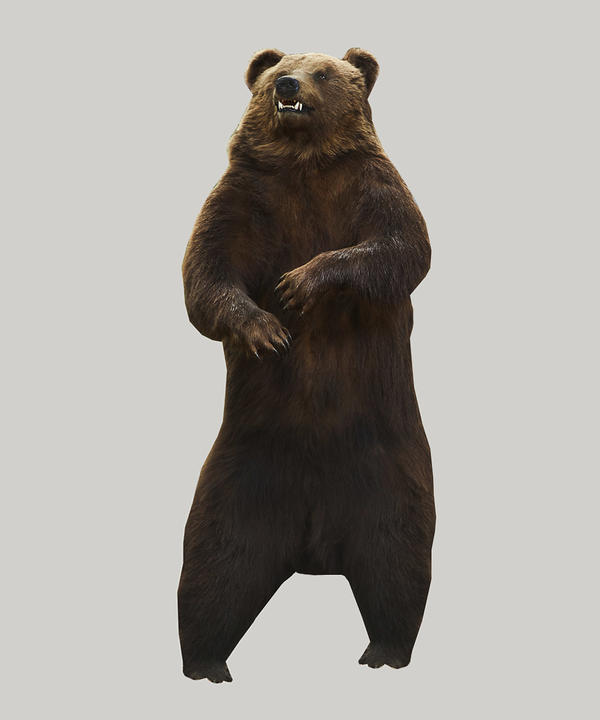
The brown bear is a large mammal predator of the bear family. Scientists know some twenty subspecies of ordinary bear, which differ in color, size and habitat.
The brown bear is found in the rugged taiga, alpine forests and mountain gorges. The beast prefers forests with dark coniferous species of wood: spruce, fir, cedar. Some predators live in open places: in the tundra, on alpine meadows, banks of rivers and lakes.
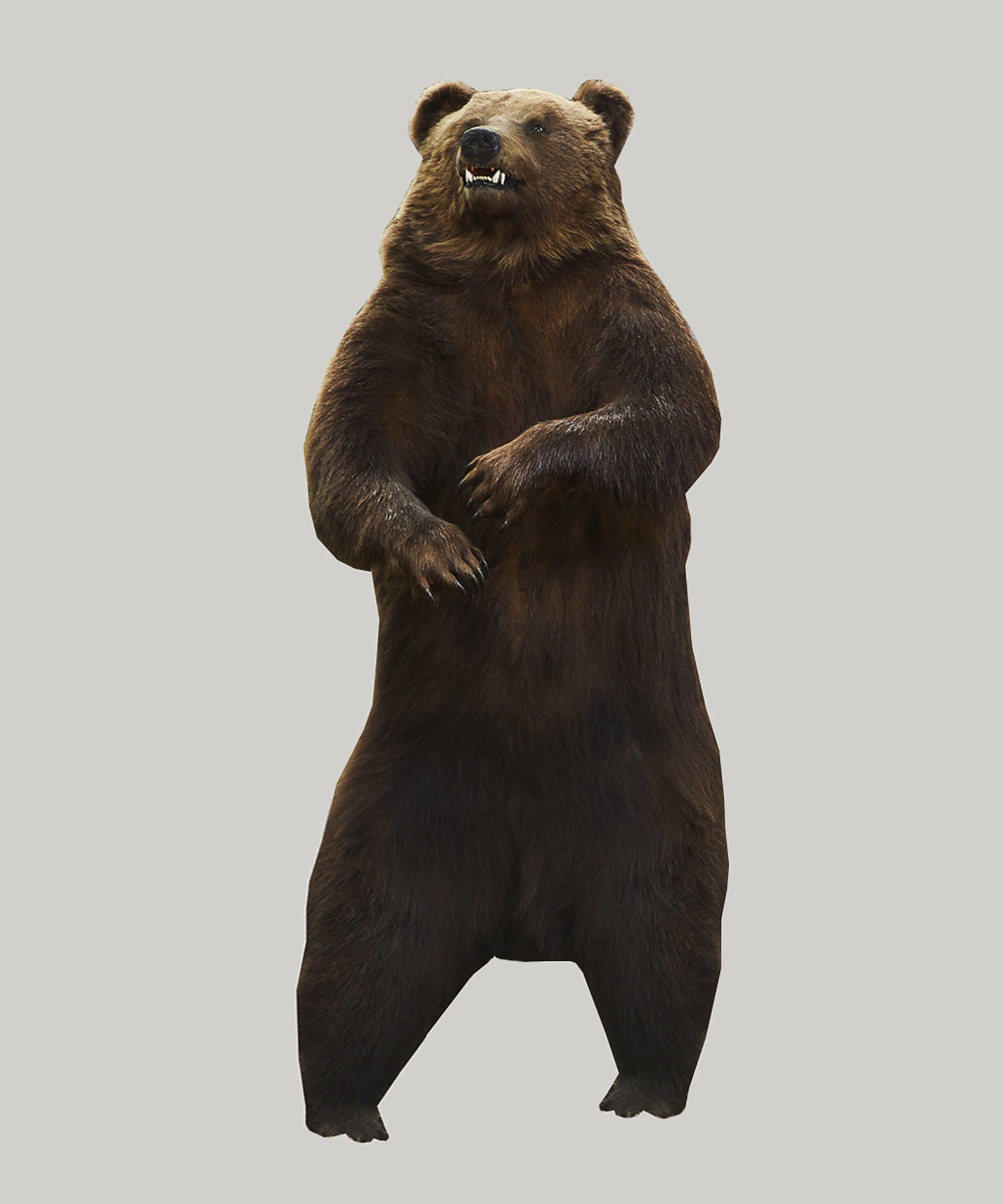
Brown bears inhabiting European forests grow up to two meters tall and weigh about two hundred kilograms. Russian bears are somewhat smaller in size, and their weight usually does not exceed one hundred kilograms. Brown bears are distinguished by a powerful developed body, high withers and a large head. The tail of the animal is short, no more than twenty centimeters in length, strong paws have sharp non-retractable claws. The color of the fur of an ordinary bear depends on the habitat and it varies from straw to bluish-black hue. The most common is brown color.
Ordinary bears naturally have poor eyesight, they rely mainly on acute hearing and a very sensitive nose for their space orientation. The predator is the most active in the twilight time: early in the morning and at sunset. Despite its huge size and apparent clumsiness, brown bears move very carefully, they are agile and fast predators.
Plant food and insects form the basis of the animal’s diet. Brown bears also feed on fish, sometimes prey on forest dwellers: roe deer, elk, deer. As a rule, bears hunt in periods of severe hunger: after winter hibernation or in dry years, when plant food is scarce in the forest.
When the weather gets cold, the ordinary bear goes into hibernation. It builds dens in secluded places: near trees, in rocky crevices or in rugged terrain covered with wind-fallen trees, insulates its shelter from inside with moss and grass. Duration of sleep of an ordinary bear varies in different areas from seventy to two hundred days. Females with offspring spend more time in the den, while old animals spend less. The predator is a light sleeper. If it is disturbed, it wakes up and roams in search of a new refuge.
In natural conditions the ordinary bear lives on average from twenty to thirty years, some specimens live to the age of fifteen. In captivity, with good care, the predator is able to live twice as long as in the wild.
The brown bear is found in the rugged taiga, alpine forests and mountain gorges. The beast prefers forests with dark coniferous species of wood: spruce, fir, cedar. Some predators live in open places: in the tundra, on alpine meadows, banks of rivers and lakes.
Brown bears inhabiting European forests grow up to two meters tall and weigh about two hundred kilograms. Russian bears are somewhat smaller in size, and their weight usually does not exceed one hundred kilograms. Brown bears are distinguished by a powerful developed body, high withers and a large head. The tail of the animal is short, no more than twenty centimeters in length, strong paws have sharp non-retractable claws. The color of the fur of an ordinary bear depends on the habitat and it varies from straw to bluish-black hue. The most common is brown color.
Ordinary bears naturally have poor eyesight, they rely mainly on acute hearing and a very sensitive nose for their space orientation. The predator is the most active in the twilight time: early in the morning and at sunset. Despite its huge size and apparent clumsiness, brown bears move very carefully, they are agile and fast predators.
Plant food and insects form the basis of the animal’s diet. Brown bears also feed on fish, sometimes prey on forest dwellers: roe deer, elk, deer. As a rule, bears hunt in periods of severe hunger: after winter hibernation or in dry years, when plant food is scarce in the forest.
When the weather gets cold, the ordinary bear goes into hibernation. It builds dens in secluded places: near trees, in rocky crevices or in rugged terrain covered with wind-fallen trees, insulates its shelter from inside with moss and grass. Duration of sleep of an ordinary bear varies in different areas from seventy to two hundred days. Females with offspring spend more time in the den, while old animals spend less. The predator is a light sleeper. If it is disturbed, it wakes up and roams in search of a new refuge.
In natural conditions the ordinary bear lives on average from twenty to thirty years, some specimens live to the age of fifteen. In captivity, with good care, the predator is able to live twice as long as in the wild.