Cauldrons were an important part of nomadic lifestyles. Nomadic shepherds valued items that were easy to pack and did not require any special preparations. The nomadic way of life forced them to rely on meat and dairy products.
Large cooking vessels became indispensable, as they allowed for the preparation of large quantities of food. Large pots allowed families to cook meals for all members. Scientists have found many examples of vessels with a capacity of up to 60 or 70 liters.
The first cauldrons appeared during the Bronze Age, but they were most prevalent among nomadic cultures of classical antiquity and the Early Middle Ages. Researchers also found Scythian and Sarmatian vessels. They were characteristic markers of Hunnic tribes and were often imported.
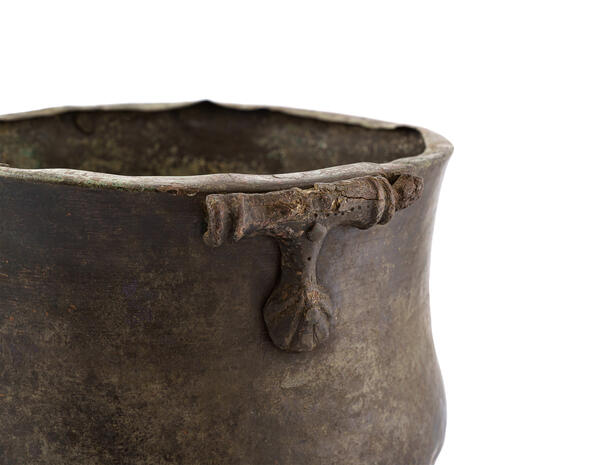
This cauldron was found in the vicinity of Levaya Rossosh in the Kashirsky District of the Voronezh Oblast. Scientists have identified similar ones abroad. It is possible that it was made in Italy between the 2nd and 1st centuries BCE and subsequently brought to the Northern Black Sea region.
These vessels were used not only for cooking. Cauldrons were also employed in rituals, celebrations, and during funerals, where participants were expected to share a meal. Researchers have identified several functions associated with ancient cauldrons. The Russian scholar Yuri Vasilyevich Balakin has noted the connection between the cauldron and the concept of fertility. He has also suggested that these vessels could serve as intermediaries between humans and spirits. For certain peoples, cauldrons acted as a kind of amulet protecting families or tribes from harmful forces. In some cases (among the Nganasan and Khanty), they replaced a shaman’s drum.
Thus, the cauldron was often more than just a cooking vessel for the nomadic people. It had an important symbolic significance for them. Such artifacts help researchers understand the unique aspects of the lives of tribes from the Early Iron Age and Early Middle Ages.