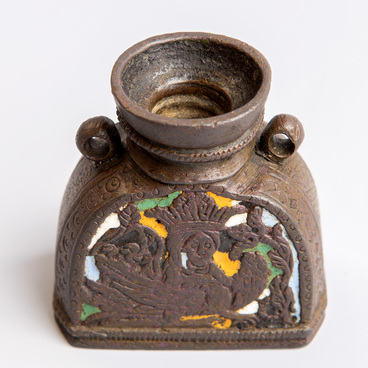
In traditional Russian culture, a vessel called a bratina was used to serve drinks. It was first mentioned in the 16th century, but researchers claim that this type of a drinking cup appeared much earlier.
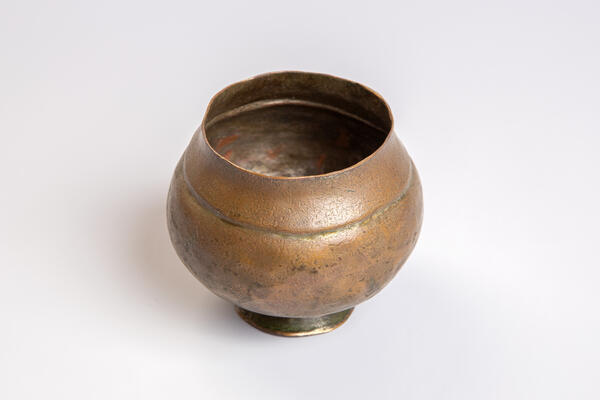
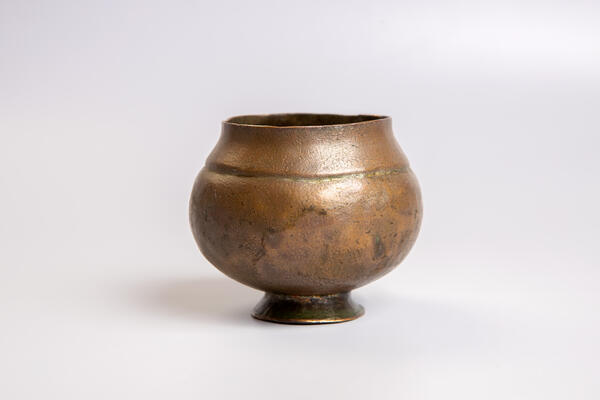
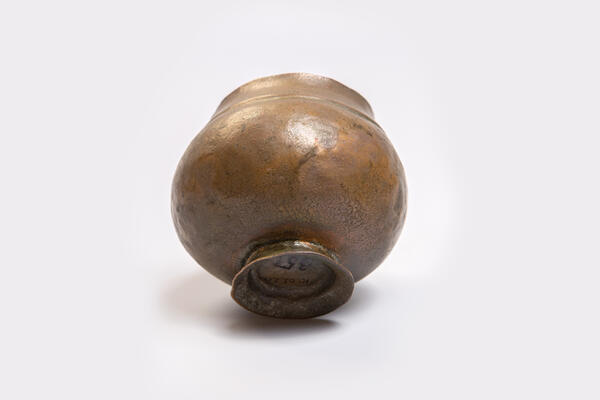
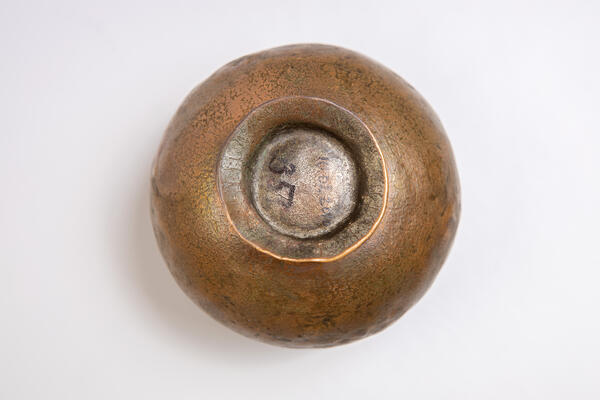
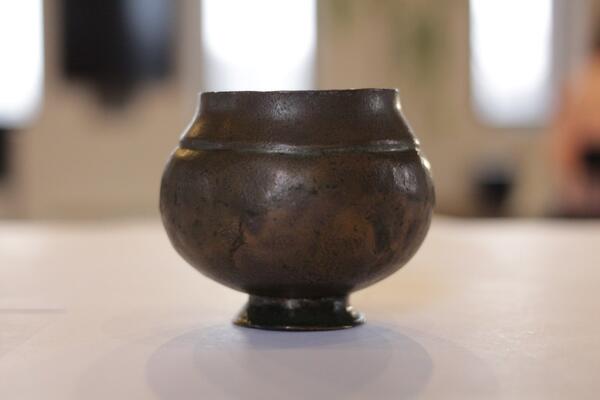
Bratinas were ball-shaped bowls with a wide neck and a low base. In the old days they were made from wood (tree roots or from one piece of wood), carved and painted.
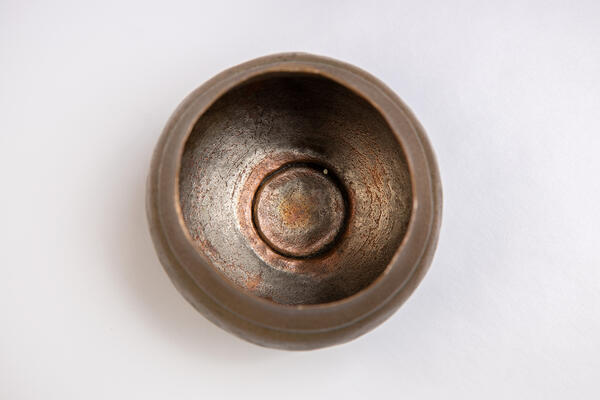
Metal bratinas were made of tin, copper or silver. Copper vessels were sometimes lined with a tin coating to prevent oxidation. The bratina from the museum collection was treated exactly like this. Bratinas were festive tableware used during church and public holidays, including during the so-called bratchina gatherings.
Quite often, such feasts were for men only, and each guest contributed his share. A large bratina was filled with honey or wine and passed around the table, with each participant taking a sip. Small bratinas were used as individual drinking cups. It was not uncommon for beer to be brewed especially for the bratchina party. In this case, each participant had to bring a yeast starter and hops to prepare the drink. In general, people disapproved of those who tried to avoid such feasts.
Toasts included wishes of longevity for all those present, and rhymed toasts were quite common. The feast contributed to the establishment of friendly ties. The very custom of sharing a meal and drinking out of a loving cup is a longstanding tradition, which appeared before the Christianization of Kievan Rus.
The author of the Chronicle of the Slavs (Chronica Slavorum), a German priest and missionary of the 12th century, Helmold of Bosau, wrote about the Slavs:
Bratinas were ball-shaped bowls with a wide neck and a low base. In the old days they were made from wood (tree roots or from one piece of wood), carved and painted.
Metal bratinas were made of tin, copper or silver. Copper vessels were sometimes lined with a tin coating to prevent oxidation. The bratina from the museum collection was treated exactly like this. Bratinas were festive tableware used during church and public holidays, including during the so-called bratchina gatherings.
Quite often, such feasts were for men only, and each guest contributed his share. A large bratina was filled with honey or wine and passed around the table, with each participant taking a sip. Small bratinas were used as individual drinking cups. It was not uncommon for beer to be brewed especially for the bratchina party. In this case, each participant had to bring a yeast starter and hops to prepare the drink. In general, people disapproved of those who tried to avoid such feasts.
Toasts included wishes of longevity for all those present, and rhymed toasts were quite common. The feast contributed to the establishment of friendly ties. The very custom of sharing a meal and drinking out of a loving cup is a longstanding tradition, which appeared before the Christianization of Kievan Rus.
The author of the Chronicle of the Slavs (Chronica Slavorum), a German priest and missionary of the 12th century, Helmold of Bosau, wrote about the Slavs: