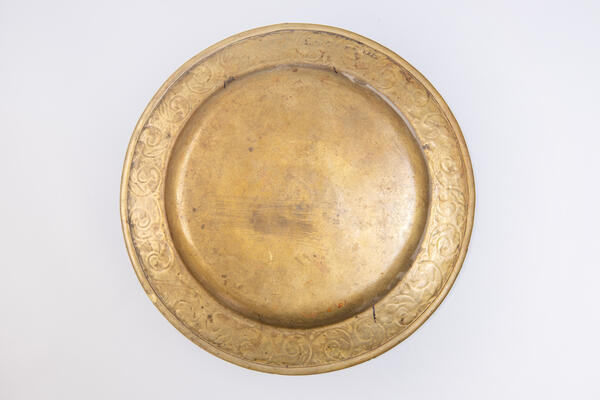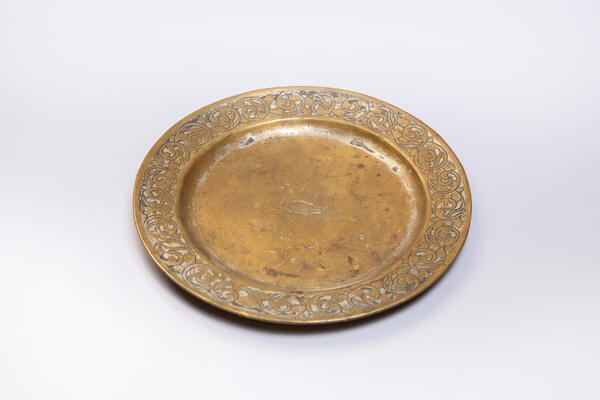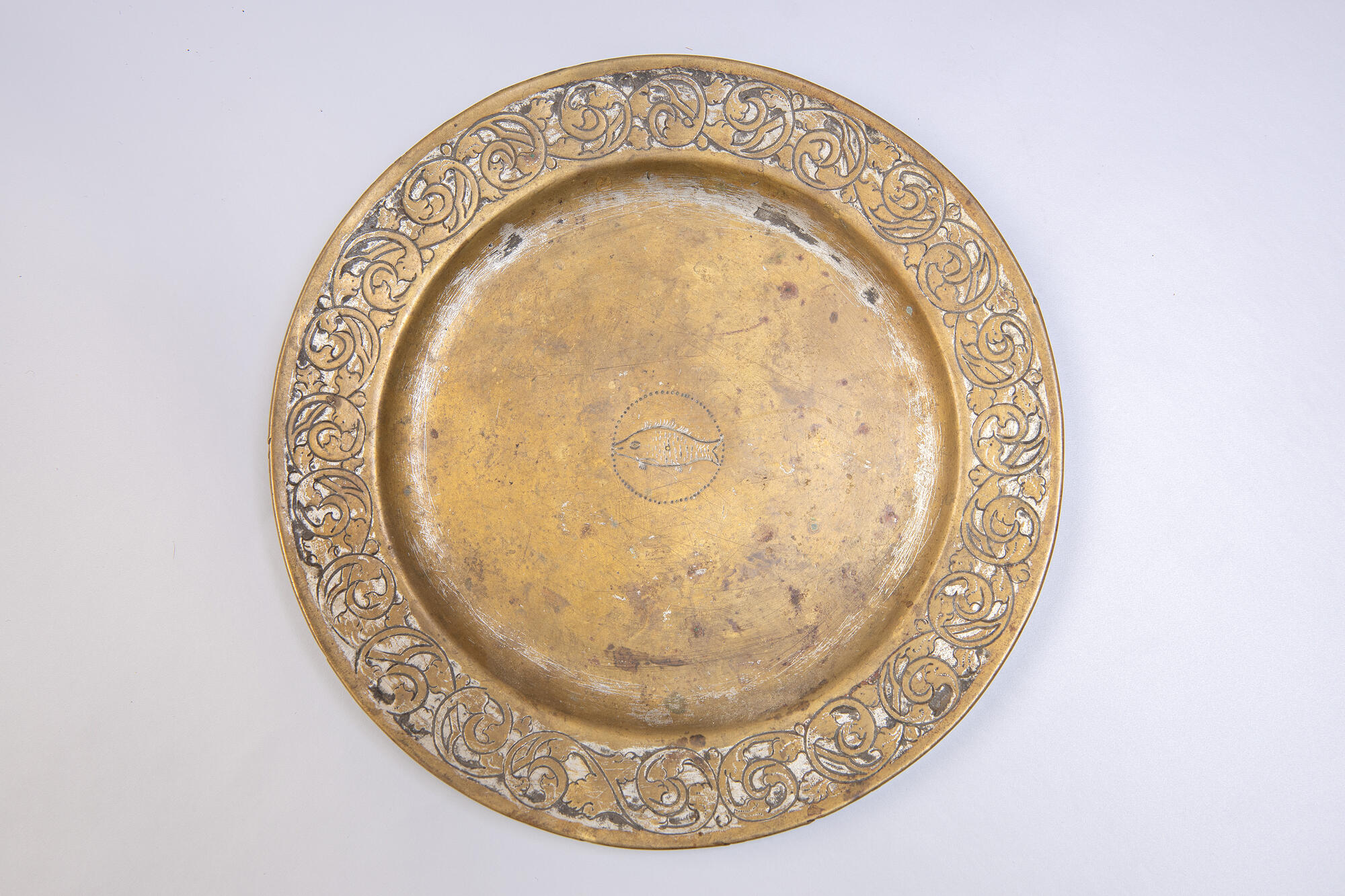


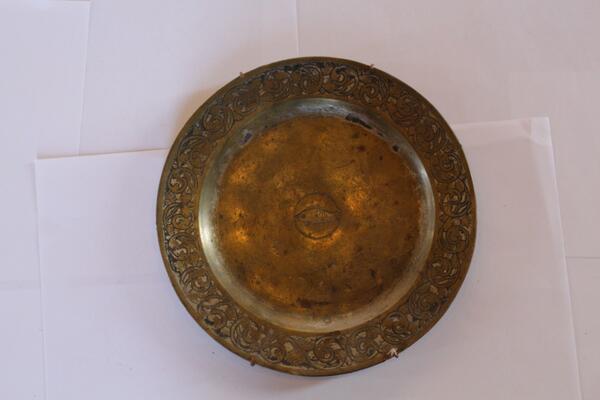
In ancient times in Rus, round-shaped dishes with wide and raised edges were called “blyudo”. For a long time, this word was used, as well as “misa” and “miska” (meaning “bowl”). Dishes were made from wood, clay, and later from metal.
The word “torel” was first recorded in documents of the 16th century, in the will of a Moscow prince. It is believed that the word comes from the German word “thaler” meaning a large coin.
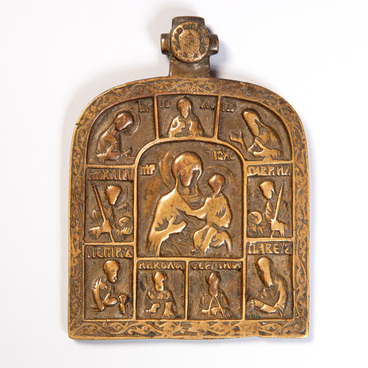
“Torels” were then rarely used in everyday life and usually belonged to wealthy citizens. They were replaced by “stavtsy” — a type of tableware in the form of a deep round bowl. There were Eucharistic “torels”. They were used in Orthodox ceremonies for dividing prosphora — liturgical bread. Artisans decorated such dishes with biblical scenes, the figures of the apostles or the Mother of God.
During the time of False Dmitry, in the 17th century, “torels” began to be used in Moscow as individual dishes. According to the historian Nikolay Ivanovich Kostomarov, the plates that were put on the table remained there throughout the meal.
The Russian archaeologist Ivan Egorovich Zabelin wrote that the gold and silver tableware that was displayed in cupboards was carefully stored, passed down from generation to generation, described in the list of property and made up almost the main part of the interior decoration.
The high cost of the plate contributed to the fact that it was often used as an element of home decor. This was how the tradition of creating decorative wall dishes and beautiful souvenir plates appeared.
Only in the 18th century did plates become a permanent part of dining etiquette. They were decorated with engraving and cloisonné enamel, floral patterns, inscriptions, and images of emblems or animals.
Hieromonk Karion Istomin, the author of one of the first Russian textbooks, urged to distinguish between “torels” and “tarels”. The dishes that were placed on the table were called “torels”, and the award dish, with which the tsar bestowed his subjects, was called a “tarel”. The tsar could use it as an award for valor.
The word “torel” was first recorded in documents of the 16th century, in the will of a Moscow prince. It is believed that the word comes from the German word “thaler” meaning a large coin.
“Torels” were then rarely used in everyday life and usually belonged to wealthy citizens. They were replaced by “stavtsy” — a type of tableware in the form of a deep round bowl. There were Eucharistic “torels”. They were used in Orthodox ceremonies for dividing prosphora — liturgical bread. Artisans decorated such dishes with biblical scenes, the figures of the apostles or the Mother of God.
During the time of False Dmitry, in the 17th century, “torels” began to be used in Moscow as individual dishes. According to the historian Nikolay Ivanovich Kostomarov, the plates that were put on the table remained there throughout the meal.
The Russian archaeologist Ivan Egorovich Zabelin wrote that the gold and silver tableware that was displayed in cupboards was carefully stored, passed down from generation to generation, described in the list of property and made up almost the main part of the interior decoration.
The high cost of the plate contributed to the fact that it was often used as an element of home decor. This was how the tradition of creating decorative wall dishes and beautiful souvenir plates appeared.
Only in the 18th century did plates become a permanent part of dining etiquette. They were decorated with engraving and cloisonné enamel, floral patterns, inscriptions, and images of emblems or animals.
Hieromonk Karion Istomin, the author of one of the first Russian textbooks, urged to distinguish between “torels” and “tarels”. The dishes that were placed on the table were called “torels”, and the award dish, with which the tsar bestowed his subjects, was called a “tarel”. The tsar could use it as an award for valor.