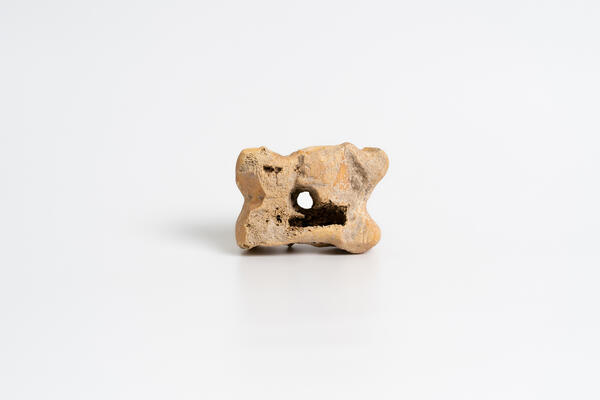
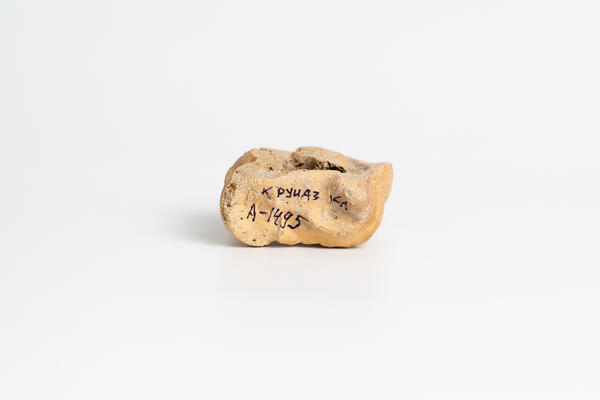
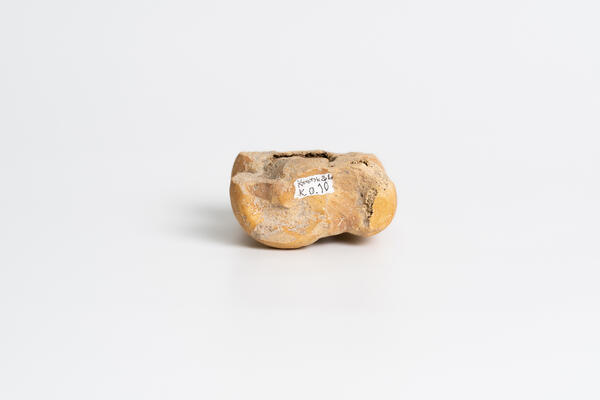
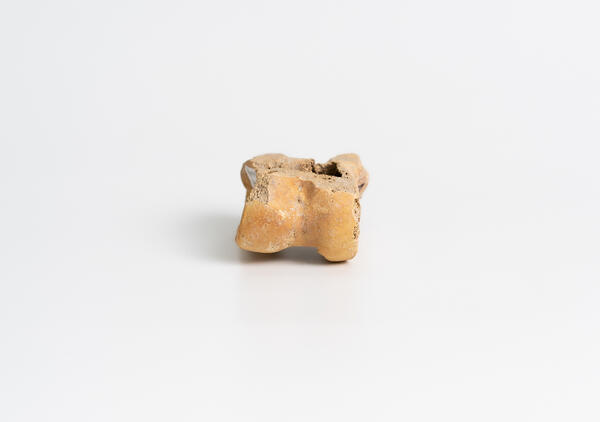
The earliest astragali discovered by archaeologists date back to the Eneolithic Age. Experts often disagree about the purpose of these objects. For example, some believe they were only used as dice, while others believe that they were attributed some ritual and magical properties. Some modern researchers agree that ancient people used astragalus both as dice and cult objects.
The talus bone has a distinctive shape that resembles a cubic dice. According to ancient beliefs, this bone could be used to communicate with the gods and find out their wishes. It is not known for certain when animal bones were first used for dice games, but it seems that this occurred after they had lost their sacred and mystical significance. It is possible that the ancient astragali, which are often found at archaeological sites, were the precursor to modern dice games. A set of dice typically consisted of four or five astragali, and the Greeks played dice games using them. The dice were designed in such a way that they could not land on the top or bottom. For game purposes, it was accepted that a dice had four sides instead of six.
There was a certain number of points on each side
of the dice: one, three, four, or six. The side with one point was known as the
“dog” or “kyon”. The opposite side with six points was called the “resident of
Kos”. Players threw the dice by hand or using a cup. They used four bones at
the same time. It was calculated that there were thirty-five possible throws in
the game, which were divided into successful, unsuccessful, and average. Each
throw had a special name. For example, when all the bones fell on different
sides, it was considered the most successful combination and was called
“Aphrodite”. The unluckiest throw was the one where each dice had one point. In
addition to ordinary dice, some bones had sharpened edges. Some dice also had a
hole where lead could be poured to increase their mass, others were lined with
metal, painted, and inscribed.