There were two reasons why herbal lozenges became common at the turn of the 20th century. One was that at the end of the 19th century, medicines based on all kinds of spices were widely used: anise, badian, cloves, ginger, oregano and others. The other reason was that Kiev, where lozenges first appeared, was famous for its confectionery, including its unique ‘dry jam’, that is, candied fruits.
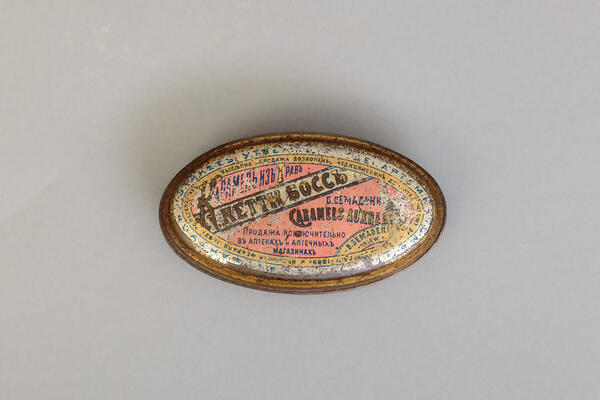
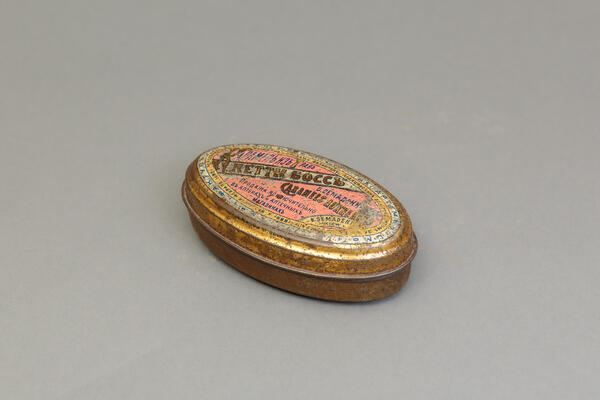
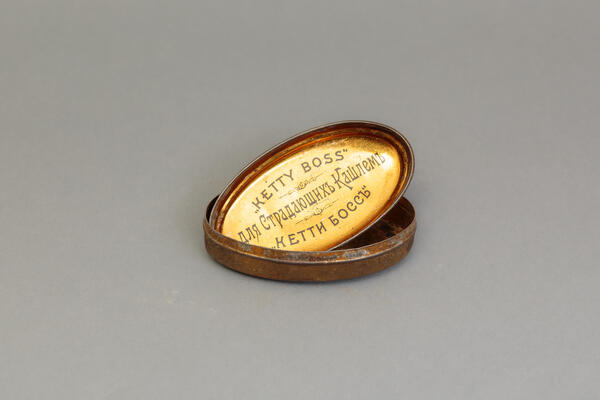
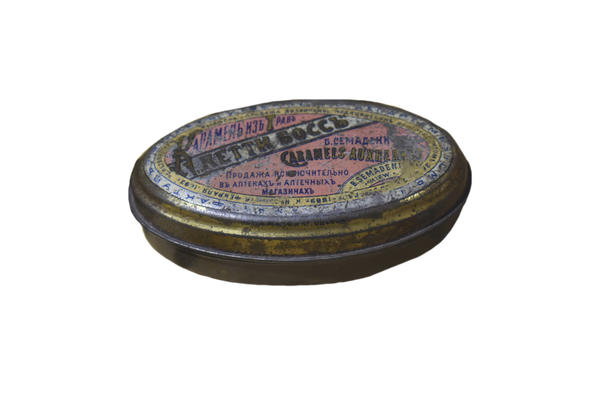
According to a Kiev legend, the confectionery business of the Balabukh family, which had flourished for many years, fell into decline in the late 19th century. To save face and credibility, the company needed to offer customers something innovative. A Czech confectioner Sobitek was hired to cope with this task: he invented a whole range of recipes for medicinal sweets that would help those suffering from gastritis, rheumatism, sciatica, sore throat and heart ailments. They were all made from herbal decoctions or fruit juices. Cough drops were particularly popular with customers, the main ingredient of which was badian, a medicinal spice with a pleasant fragrance. Initially they were supplied to the pharmacies of the Southern Russian Pharmacy Trade Association. However, they were much appreciated not only by those who were ill, but also by those who were not. Although the label on the tin prescribed that the candies should only be sold in pharmacies, they quickly found their way onto the shelves of confectionery shops and even restaurants.
Local assemblymen and stockbrokers gathered at the prestigious city confectionery of Bernard-Otto Andreevich Semadeny on Kreshchatik and always ordered candied fruit, speciality ice creams and the famous lozenges. To make them more presentable they were served not only in the original tin boxes but also in leather bags. The name “Ketty Boss” came from the surname of the maker, read backwards. A big tin box cost 30 kopecks, a smaller one 20 kopecks. In modern terms, a large box cost about 385 rubles, while a small one cost about 256 rubles, which means that the treat was quite expensive.
According to a Kiev legend, the confectionery business of the Balabukh family, which had flourished for many years, fell into decline in the late 19th century. To save face and credibility, the company needed to offer customers something innovative. A Czech confectioner Sobitek was hired to cope with this task: he invented a whole range of recipes for medicinal sweets that would help those suffering from gastritis, rheumatism, sciatica, sore throat and heart ailments. They were all made from herbal decoctions or fruit juices. Cough drops were particularly popular with customers, the main ingredient of which was badian, a medicinal spice with a pleasant fragrance. Initially they were supplied to the pharmacies of the Southern Russian Pharmacy Trade Association. However, they were much appreciated not only by those who were ill, but also by those who were not. Although the label on the tin prescribed that the candies should only be sold in pharmacies, they quickly found their way onto the shelves of confectionery shops and even restaurants.
Local assemblymen and stockbrokers gathered at the prestigious city confectionery of Bernard-Otto Andreevich Semadeny on Kreshchatik and always ordered candied fruit, speciality ice creams and the famous lozenges. To make them more presentable they were served not only in the original tin boxes but also in leather bags. The name “Ketty Boss” came from the surname of the maker, read backwards. A big tin box cost 30 kopecks, a smaller one 20 kopecks. In modern terms, a large box cost about 385 rubles, while a small one cost about 256 rubles, which means that the treat was quite expensive.