

Ancient cephalopods, the ammonites, appeared in the salty seas of the Earth about 400 million years ago, and died out along with the dinosaurs, almost 65 million years ago. Ammonites came in various sizes, ranging from 5 millimeters to 2.5 meters in diameter, and had shells of various shapes - from smooth spirals to bizarre intertwined ones to those that are almost straight. At present, scientists count more than 10,000 species and dozens of genera of these ancient creatures.
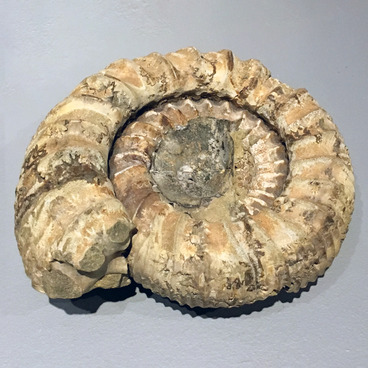
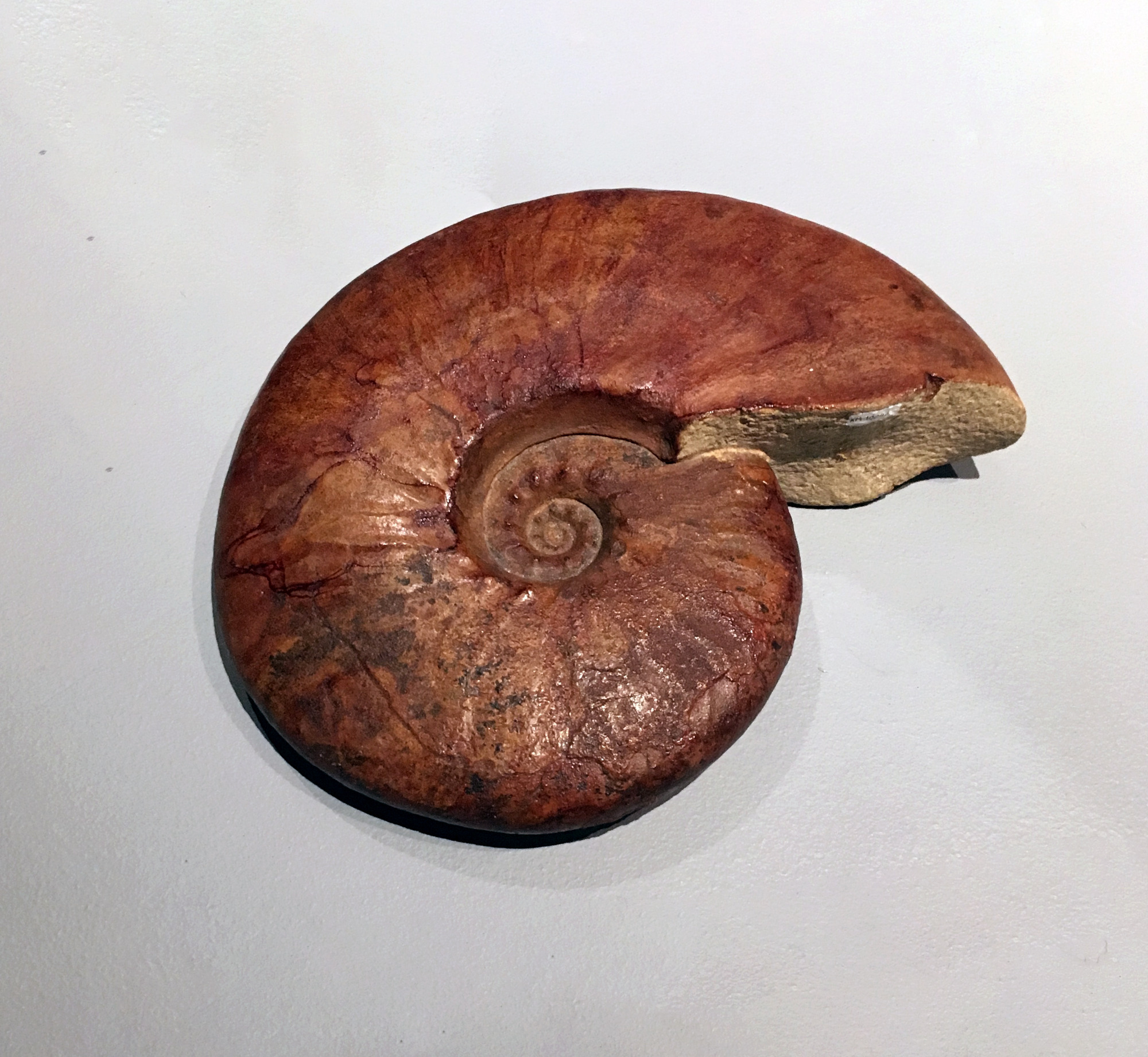
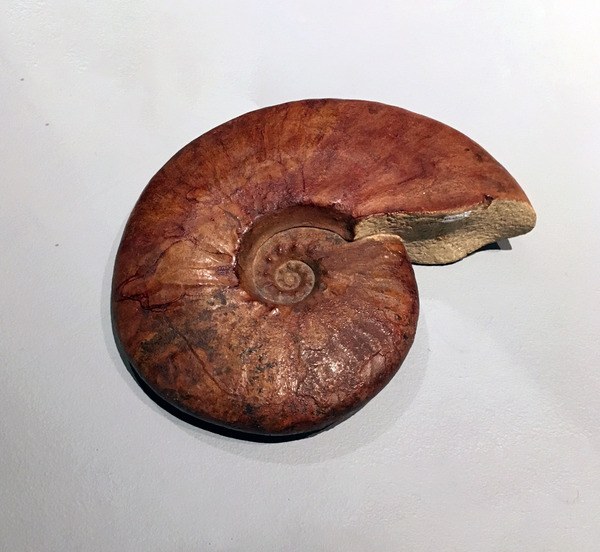
Ammonites called hoplites existed about 113-110 million years ago. Their fossilized remains are found in Western Europe, the Caspian Sea area, and Mexico. During their lifetimes, hoplite ammonites wore massive, coiled shells with sharply protruding ridges. They looked like the helmets of heavily armed Greek warriors called hoplites, and this similarity gave the whole cephalopod genus its name.
Hoplites were predators, and ate plankton, fish, and other mollusks. In pursuit of prey, they were able to swim quickly, sink down to the bottom, or rise to the surface of the water. The special structure of their shells allowed these mollusks to maneuver in the water layer. Ammonites hatched from eggs, and had a small shell right from the start. The mollusk developed inside until it became too large for it. As it grew, it set up new, more spacious chambers, and cordoned off the old ones using partitions, leaving only small, connecting holes. If necessary, the mollusk injected liquid or gas through these holes to change its buoyancy.
After death, the soft bodies of the mollusks decayed and then disappeared, almost without a trace, and the chambers became petrified. Depending on the chemical composition and ambient temperature, the cavities in the ammonite chambers had the potential to become overgrown with the crystals of various minerals.
Sometimes only a hardened, nacreous layer - ammolite - was all that remained of the ammonite shells. For mollusks, mother-of-pearl was not a decoration at all, but a means of protecting a delicate body from the sharp grains of sand, or the uneven edges of shells. In the 20th century, mineralized mother-of-pearl became a popular material for jewelry, and about 30 years ago, scientists added ammolite to the list of rare gemstones that have an organic origin. Ammolite from hoplites is considered one of the most beautiful, due to the richness of its shades.
Ammonites called hoplites existed about 113-110 million years ago. Their fossilized remains are found in Western Europe, the Caspian Sea area, and Mexico. During their lifetimes, hoplite ammonites wore massive, coiled shells with sharply protruding ridges. They looked like the helmets of heavily armed Greek warriors called hoplites, and this similarity gave the whole cephalopod genus its name.
Hoplites were predators, and ate plankton, fish, and other mollusks. In pursuit of prey, they were able to swim quickly, sink down to the bottom, or rise to the surface of the water. The special structure of their shells allowed these mollusks to maneuver in the water layer. Ammonites hatched from eggs, and had a small shell right from the start. The mollusk developed inside until it became too large for it. As it grew, it set up new, more spacious chambers, and cordoned off the old ones using partitions, leaving only small, connecting holes. If necessary, the mollusk injected liquid or gas through these holes to change its buoyancy.
After death, the soft bodies of the mollusks decayed and then disappeared, almost without a trace, and the chambers became petrified. Depending on the chemical composition and ambient temperature, the cavities in the ammonite chambers had the potential to become overgrown with the crystals of various minerals.
Sometimes only a hardened, nacreous layer - ammolite - was all that remained of the ammonite shells. For mollusks, mother-of-pearl was not a decoration at all, but a means of protecting a delicate body from the sharp grains of sand, or the uneven edges of shells. In the 20th century, mineralized mother-of-pearl became a popular material for jewelry, and about 30 years ago, scientists added ammolite to the list of rare gemstones that have an organic origin. Ammolite from hoplites is considered one of the most beautiful, due to the richness of its shades.