Font
Color
Graphics
Изображение точки

To see AR mode in action:

1. Install ARTEFACT app for iOS or Android;

2. Find the exhibition «The Archaeology of Ancient Northwestern Crimea»

3. Push the «Augmented reality» button and point your phone's camera at the exhibit;

Скрыть точки интересаПоказать точки интереса
Показать в высоком качестве

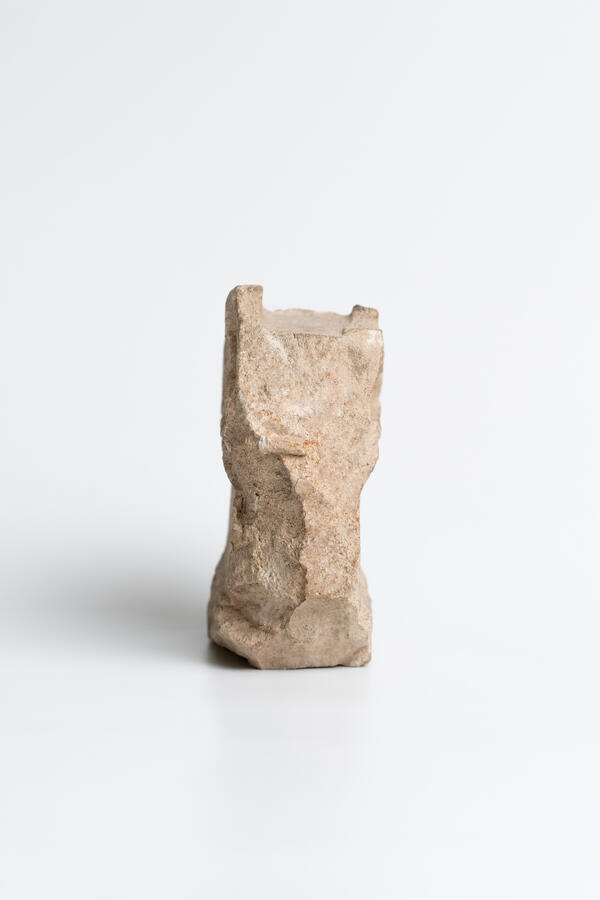
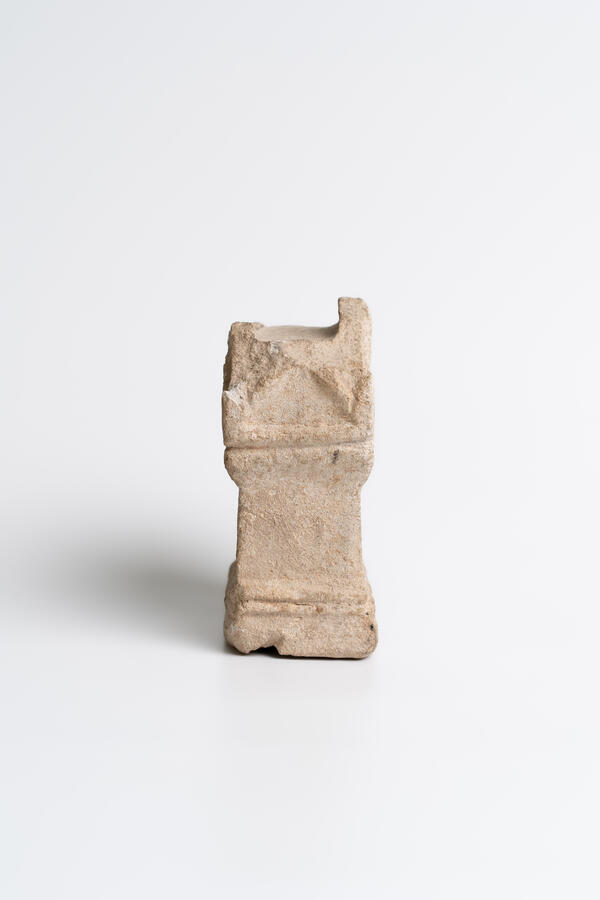
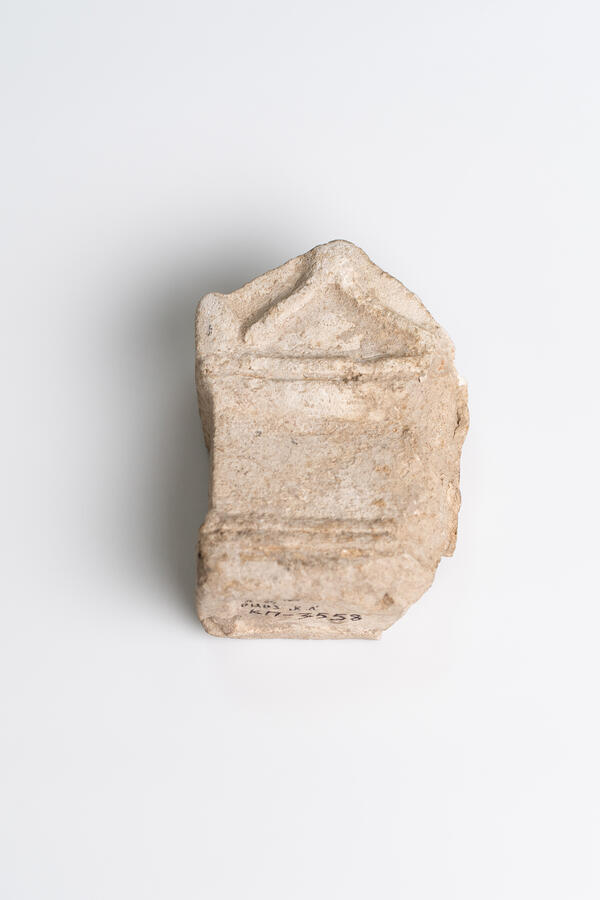
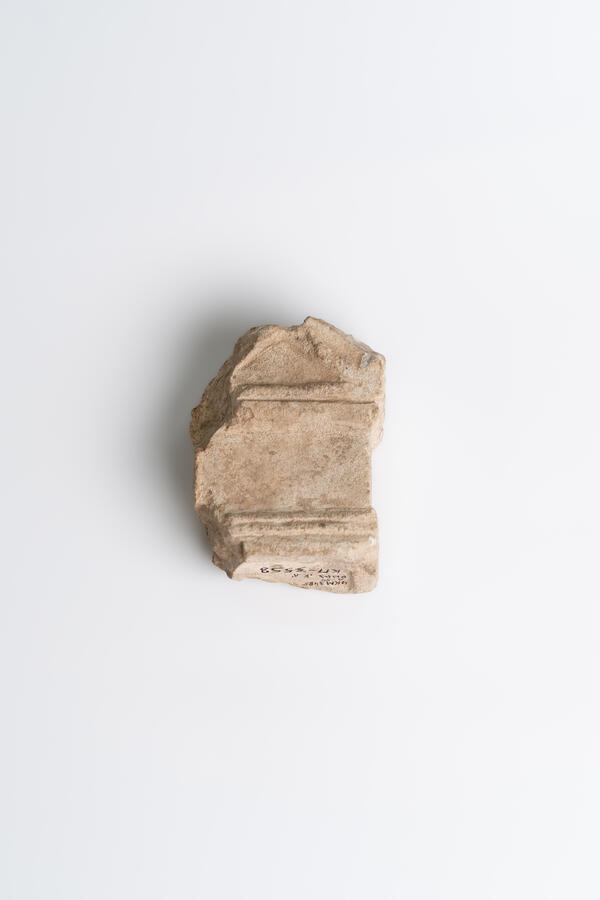
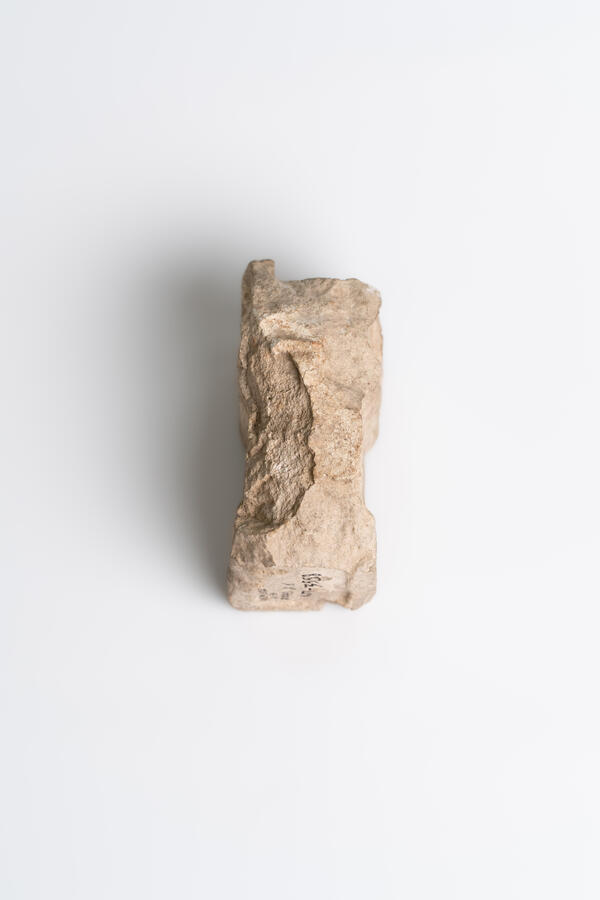
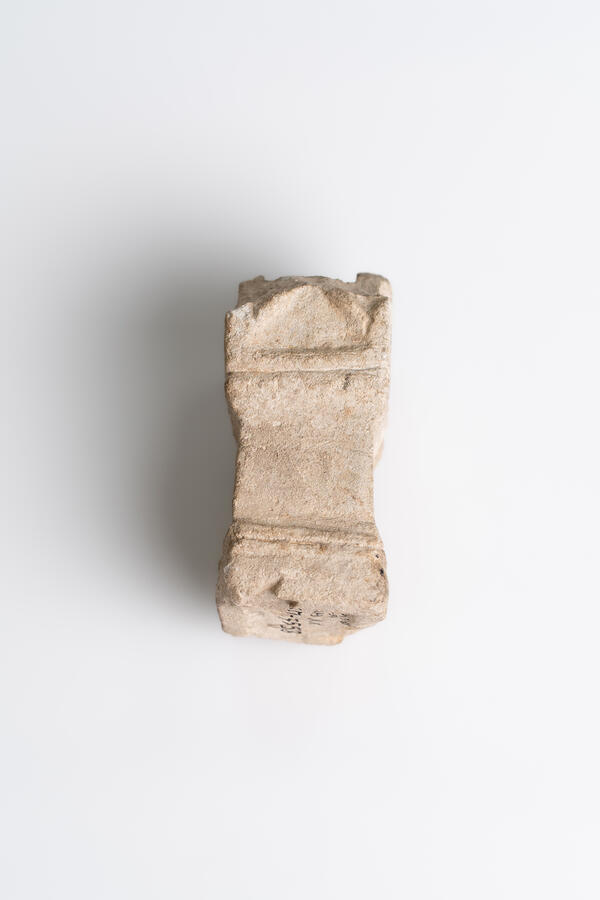
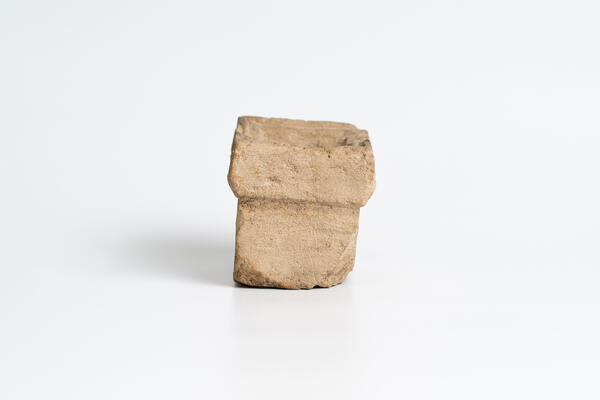
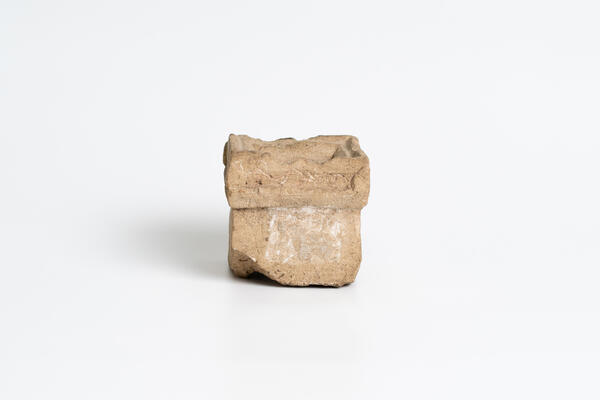
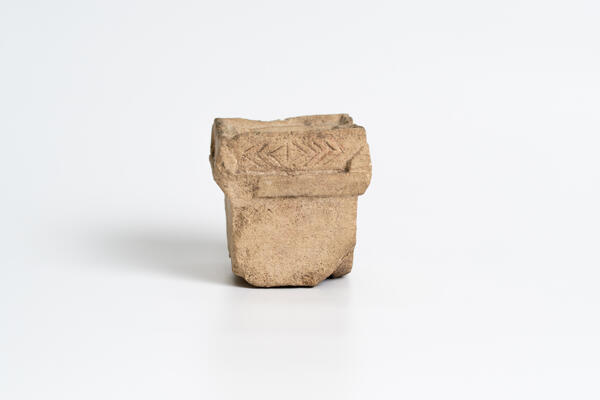
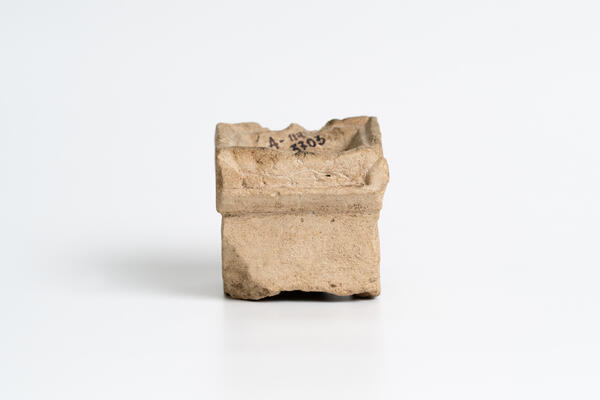
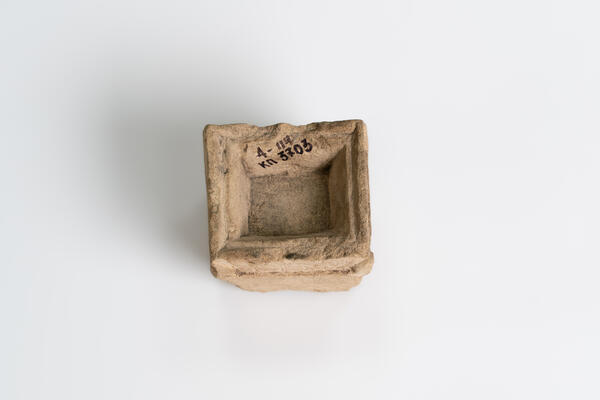
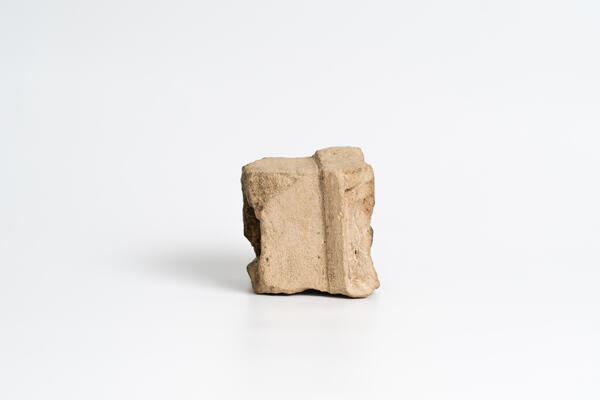
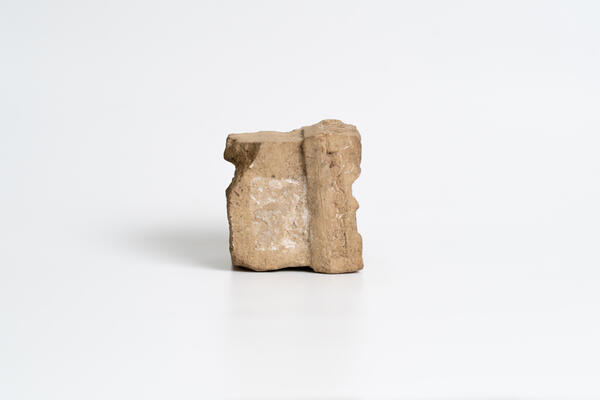
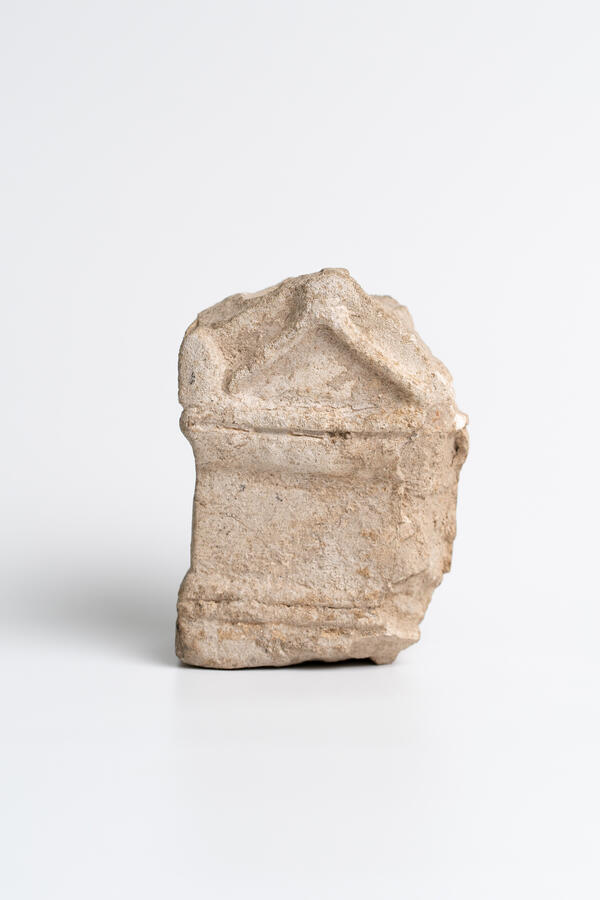
Small home altar

Creation period
antiquity
Place of сreation
Greece
Dimensions
10x7x4 cm
Technique
limestone
0
Open in app
#1

The Greeks, like many other people in the ancient world, feared the forces of nature and believed them to be controlled by various deities. The Greeks imagined the gods as anthropomorphic, immortal, and powerful creatures. They believed that life depended on honoring these gods and asking for their help. According to them, if people relied only on themselves and did not seek divine assistance, they would suffer failures and punishment. However, if they turned to the gods through prayer and sacrifices, the gods would show mercy and help them achieve success.

To appease the gods, the ancient Greeks offered them sacrifices on altars. These offerings included wine, oil, wheat, animal meat, fruits, and vegetables. The altar was often located outside of a temple, usually in front of it. Altars could also be found near houses, usually in the courtyard where household members performed religious activities and sacrifices. The altar was a raised platform. Initially, it was presumably made of earth. The great altar of Zeus in Olympia was made of ashes from sacrifices. Later, altars were typically constructed of stone. The simplest altar was just a single stone slab. Most altars were rectangular or square, while some were round or bowl-shaped.
#5
Small home altar
#4

Temples could hardly exist without altars, but altars without temples were very common. They could be found in private houses, courtyards, acropolises, markets, streets, public places, roads, fields, mountain summits, sacred groves, and other locations. The sacred altar area was separated by a fence, such as a low wall, chains, or a rope. Sometimes, one altar could be dedicated to several deities or even all gods at once. Altars for heroes and underground deities were called escarai. These were lower than those of the Olympians. They were placed directly on the ground and had holes for the blood of sacrificial animals. There were also special “sacrificial pits” used for offerings to underground deities and heroes.

#3
Small home altar
#2
View in the State Catalogue
read morehide
00:00
00:00
1x

Small home altar

Creation period
antiquity
Place of сreation
Greece
Dimensions
10x7x4 cm
Technique
limestone
0
Point your smartphone camera to open in the app
Share
VkontakteOdnoklassnikiTelegram
Share on my website
Copy linkCopied
Copy
Open in app
To see AR mode in action:
  1. Install ARTEFACT app for 
  2. iOS or Android;
  3. Find and download the «Paintings in Details» exhibition
  4. Push the «Augmented reality» button and point your phone's camera at the painting;
  5. Watch what happens on your phone screen whilst you flip through the pictures.
 
We use Cookies
Cookies on the Artefact Website. We use cookies to ensure that we give you the best experience on our website. If you continue without changing your settings, we'll assume that you are happy to receive all cookies on the Artefact website. However, if you would like to, you can change your cookie settings at any time.
Learn more about useHide
Content is available only in Russian

X

Нашли опечатку?...

%title%%type%