

In 1835, by decree of Emperor Nicholas I, the Russian system of measurement was standardized to resemble the English one. The main units of weight were the pound and the pood, the smaller and older ones were the lot, zolotnik, and pochka. Special household scales were used for housekeeping and cooking. The collection of the Ivan Pavlov Museum Estate in Ryazan houses the scales that stood in the kitchen in the house of the scientist’s father, Pyotr Dmitriyevich. The owners used them to weigh the goods that they brought from small shops and also measure the correct amount of salt to preserve the food for winter.
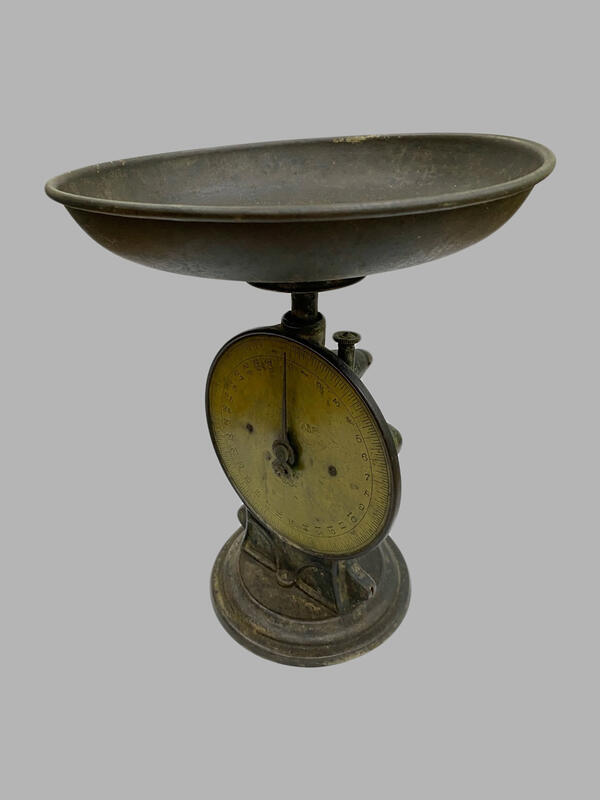
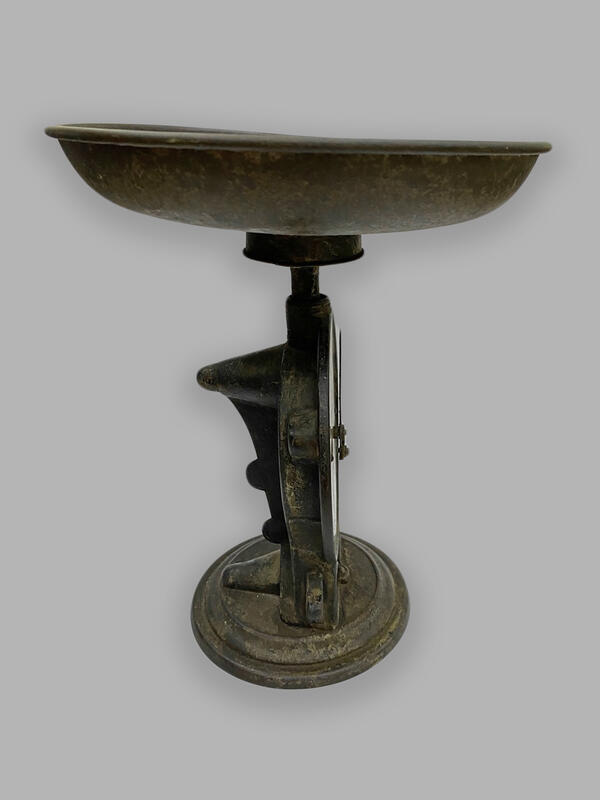
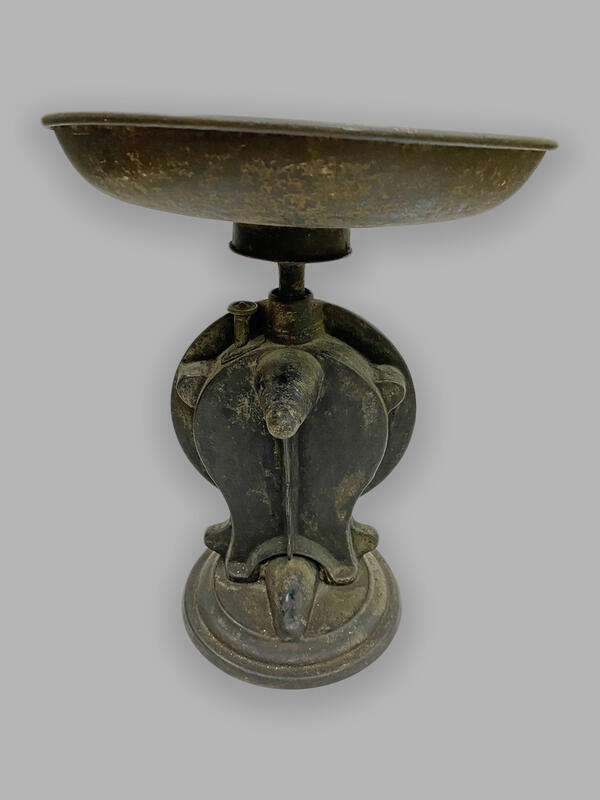
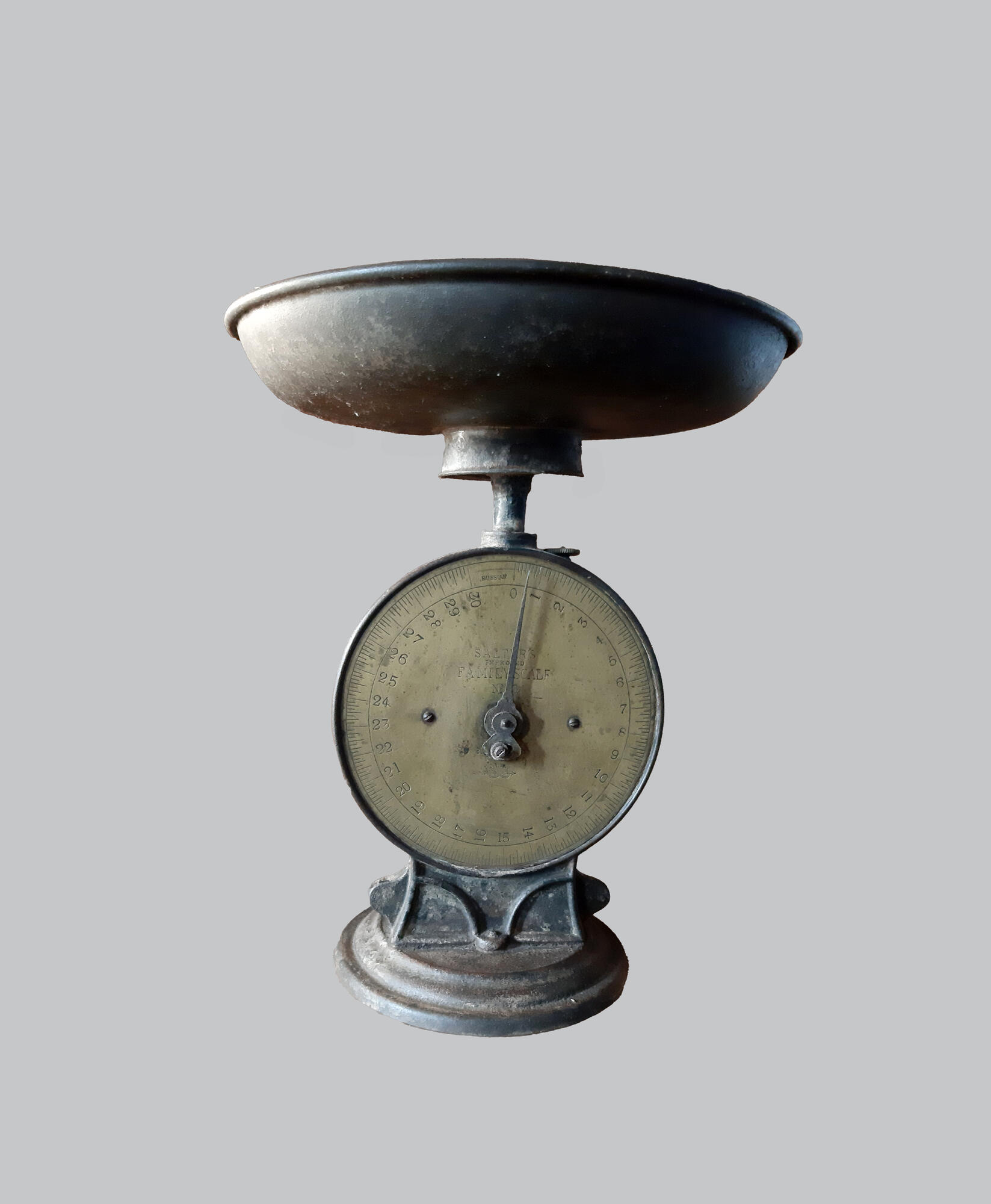
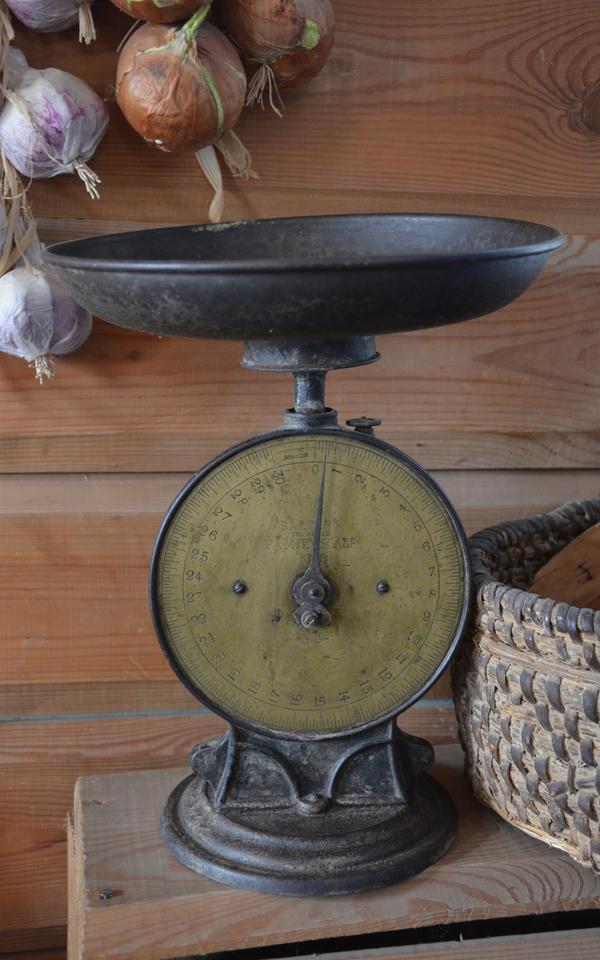
The scales present a metal structure on a round base, which merges into a figured holder with a dial. It is marked with weights from 1 to 30 pounds, with a metal arrow in the center. In the upper section, a weighing dish is fixed on a movable rod. It was possible to weigh up to 30 pounds, which is about 12 kilograms, so the scales were considered quite big and solid. In the upper part of the scale, under the weighing dish, the inscription has been preserved: “RUSSIAN”. Above the arrow, in the center of the dial, there are also inscriptions: “SALTERS IMPROVED FAMILY SCALE No. 50 SILVESTERS PATENT.” Richard Salter’s company was founded in England in the late 1760s.
Pyotr Dmitriyevich’s great-nephew, Alexander Fyodorovich Pavlov, wrote in his memoirs,
The scales present a metal structure on a round base, which merges into a figured holder with a dial. It is marked with weights from 1 to 30 pounds, with a metal arrow in the center. In the upper section, a weighing dish is fixed on a movable rod. It was possible to weigh up to 30 pounds, which is about 12 kilograms, so the scales were considered quite big and solid. In the upper part of the scale, under the weighing dish, the inscription has been preserved: “RUSSIAN”. Above the arrow, in the center of the dial, there are also inscriptions: “SALTERS IMPROVED FAMILY SCALE No. 50 SILVESTERS PATENT.” Richard Salter’s company was founded in England in the late 1760s.
Pyotr Dmitriyevich’s great-nephew, Alexander Fyodorovich Pavlov, wrote in his memoirs,