

The steppe elephant, or Mammuthus trogontherii, is the ancestor of woolly mammoths and one of the largest species of land mammals in the entire history of their existence. There are still very few discovery’s of this species in the world: eight skeletons of steppe elephants are kept in museums in Russia, and only three of them are complete.
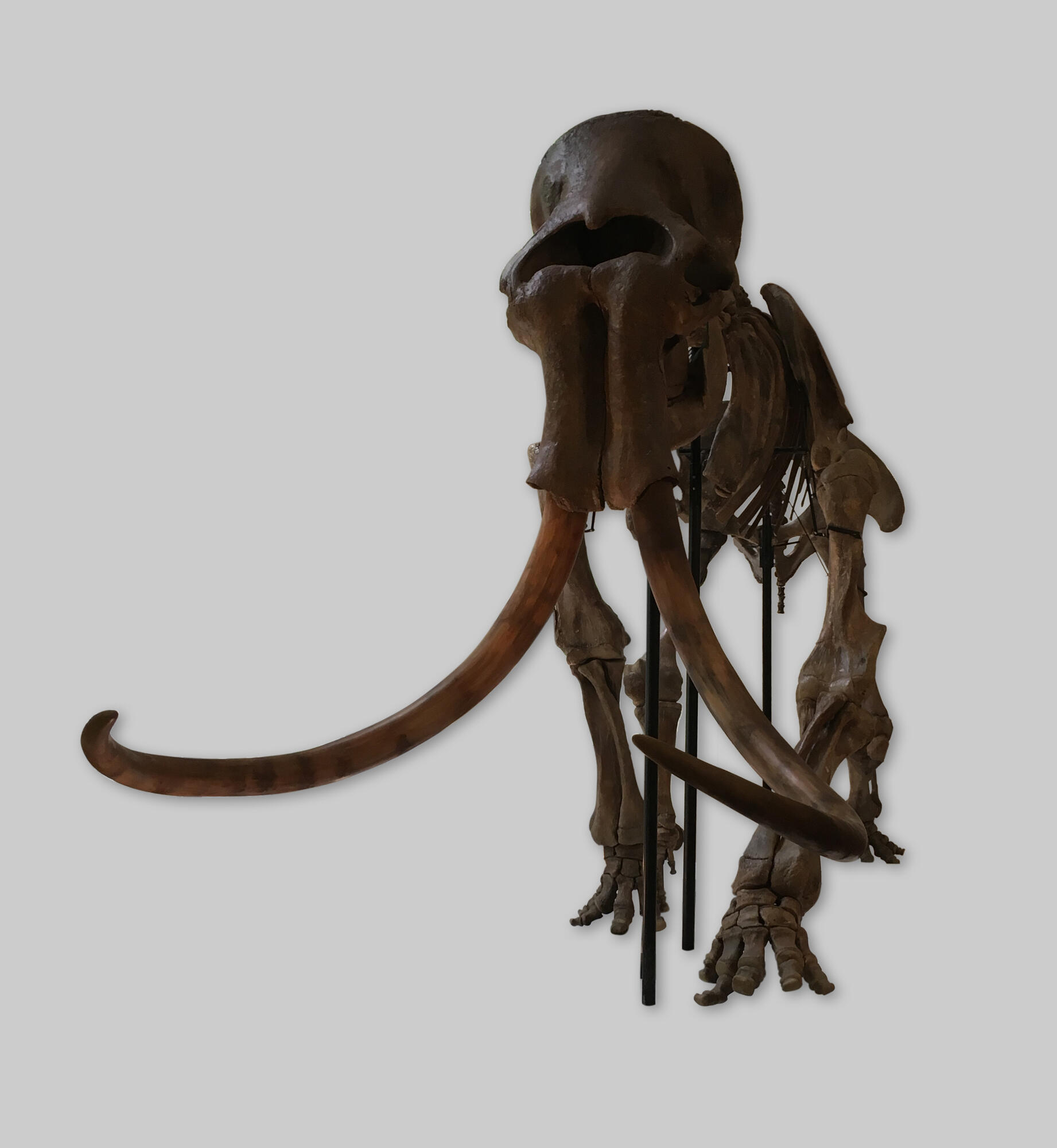
Scientists managed to calculate the approximate size of a long-extinct animal. The steppe elephant could reach a height of 4.7–5 m and weigh about 10 tons. The tusks grew up to 5 m, but were not as curled as that of later woolly mammoths.
The giant got its scientific name - trogontheria - in honor of the trogontherium beaver. The bones of elephants were found in rocks of the same age, where the remains of ancient rodents were found earlier. And the name “steppe” reflects the habitat of the animal.
Steppe elephants appeared in Eurasia more than 750 thousand years ago. Their bones are found in the territory of Western Siberia, Yakutia, Kazakhstan, Perm, Stavropol and Krasnodar territories in the steppe zones. The elephants also reached wooded areas. This is evidenced by finds in the peat layers of eastern England, where the bones of ancient mammoths coexisted with coniferous branches.
Steppe mammoths were one of the first species of elephants adapted to frost. But this was not enough for them to prosper.
Part of the population followed the path of further adaptation to the glacial tundra, and about 250 thousand years ago the species of woolly mammoths appeared. After a short period of time, the smaller offspring drove their giant ancestors out of their habitat, and they quickly became extinct.
The bones of the steppe elephant are on display in the Museum of Nature and Man, along with the remains of late woolly species. The skeleton was found in good condition in 1993 in the Chembakchinskiy Yar - not far from a small village with a population of just over 30 people. This is one of the most northerly known finds of steppe elephants.
Scientists calculated the height of the Chembakchino mammoth skeleton by the size of the humerus and femur. The height of the animal at the withers was presumably 3.2–3.25 m. Judging by the structure of the bones and teeth, it was an individual of about 35 years old. The skeleton was found in rocks that were 550-600 thousand years old.
Scientists managed to calculate the approximate size of a long-extinct animal. The steppe elephant could reach a height of 4.7–5 m and weigh about 10 tons. The tusks grew up to 5 m, but were not as curled as that of later woolly mammoths.
The giant got its scientific name - trogontheria - in honor of the trogontherium beaver. The bones of elephants were found in rocks of the same age, where the remains of ancient rodents were found earlier. And the name “steppe” reflects the habitat of the animal.
Steppe elephants appeared in Eurasia more than 750 thousand years ago. Their bones are found in the territory of Western Siberia, Yakutia, Kazakhstan, Perm, Stavropol and Krasnodar territories in the steppe zones. The elephants also reached wooded areas. This is evidenced by finds in the peat layers of eastern England, where the bones of ancient mammoths coexisted with coniferous branches.
Steppe mammoths were one of the first species of elephants adapted to frost. But this was not enough for them to prosper.
Part of the population followed the path of further adaptation to the glacial tundra, and about 250 thousand years ago the species of woolly mammoths appeared. After a short period of time, the smaller offspring drove their giant ancestors out of their habitat, and they quickly became extinct.
The bones of the steppe elephant are on display in the Museum of Nature and Man, along with the remains of late woolly species. The skeleton was found in good condition in 1993 in the Chembakchinskiy Yar - not far from a small village with a population of just over 30 people. This is one of the most northerly known finds of steppe elephants.
Scientists calculated the height of the Chembakchino mammoth skeleton by the size of the humerus and femur. The height of the animal at the withers was presumably 3.2–3.25 m. Judging by the structure of the bones and teeth, it was an individual of about 35 years old. The skeleton was found in rocks that were 550-600 thousand years old.