Font
Color
Graphics
Изображение точки

To see AR mode in action:

1. Install ARTEFACT app for iOS or Android;

2. Find the exhibition «The Ethnography of the Adyghe People»

3. Push the «Augmented reality» button and point your phone's camera at the exhibit;

Скрыть точки интересаПоказать точки интереса
Показать в высоком качестве

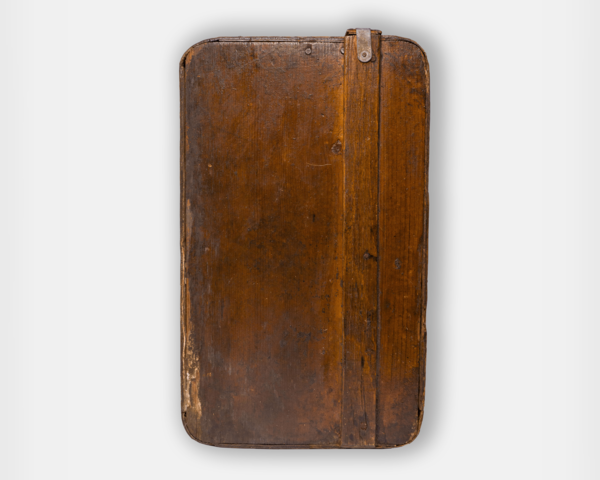
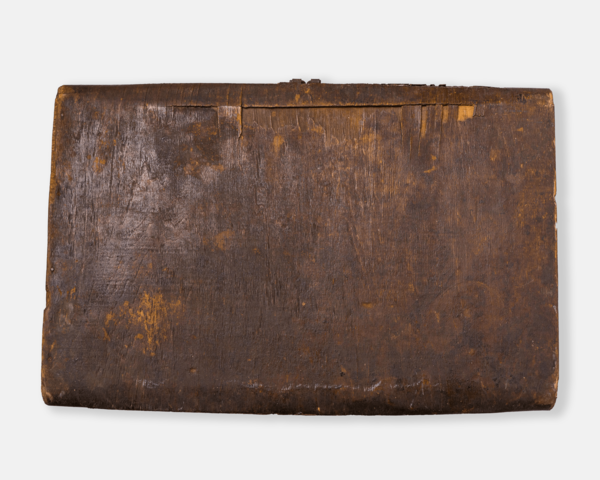
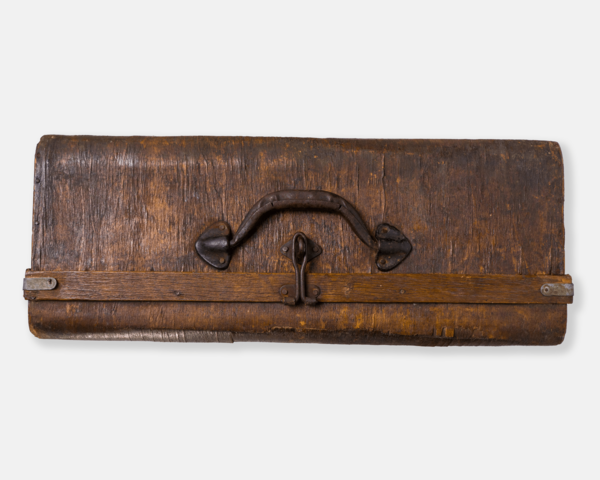
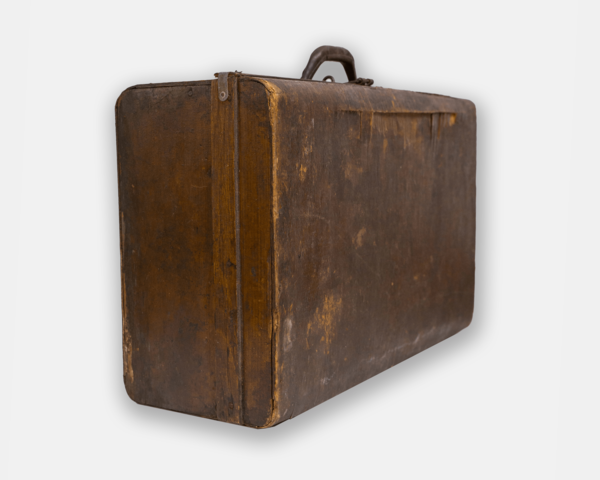
Chest

Creation period
the 1960s
Place of сreation
the USSR
Dimensions
19,4x31,5x13,5 cm
Technique
wood
0
Open in app
#2

A chest is one of the oldest types of furniture. Assuming, any box with a lid can be considered a chest, then it has been around since the Neolithic era. The first reliable mention of such furniture dates back to the 15–12 centuries BC. It is known that ancient Egyptians used chests. From them, chests were passed to ancient Greece and Rome, and by the early Middle Ages half of the world was using chests: all over Europe, Asia and Russia. They were spread by nomadic tribes and armies of conquerors. Each country or culture adapted and modified chests to their needs. By doing so, this item of furniture gained national traits.

A lot can be said about the use cases of the chest because in addition to storing and transporting household items, clothes and tools, the chest also possessed ritualistic significance. The Adyghe widely used chests (pkhuante) in wedding ceremonies. On the day the daughter-in-law moved into her husband’s house, she was accompanied by two women from her mother’s side. They brought the pkhuante chest intended for the husband’s eldest aunt. It was called “a chest to please the sister-in-law”.

It was filled with small things: soap, stockings, handkerchiefs and special colored threads (“nyseudan” — threads for the daughter-in-law). The length of these threads had to be equal to the distance between two diagonally opposite corners of the room. The chest was opened by the elder sister-in-law. She took the threads and unwound them, measuring their length with her elbow. The women accompanying the young wife also received threads which, according to Adyghe beliefs, brought happiness to those who kept them as a keepsake. A few threads were left for the wife’s mother. They symbolized friendship between the two families.

Mukhtar Aslanovich Meretukov, historian and ethnographer, made an observation:
#4

The threads used in this rite were mixed — black with white. In all likelihood, the black threads represented the newlyweds (youth), the white ones — the old women (old age, longevity). It was assumed that white threads could have a magical effect on black ones. This was one of the ritual actions that were supposed to ensure the newlyweds lived a long life.

#6

The chest from the collection of the Adygeysk Museum of Local Lore was found in 1996, during an expedition of the museum staff to the Vochepshiy village in the Teuchezhsky district of the Republic of Adygea.

#7
Chest
#3
View in the State Catalogue
read morehide
00:00
00:00
1x

Chest

Creation period
the 1960s
Place of сreation
the USSR
Dimensions
19,4x31,5x13,5 cm
Technique
wood
0
Point your smartphone camera to open in the app
Share
VkontakteOdnoklassnikiTelegram
Share on my website
Copy linkCopied
Copy
Open in app
To see AR mode in action:
  1. Install ARTEFACT app for 
  2. iOS or Android;
  3. Find and download the «Paintings in Details» exhibition
  4. Push the «Augmented reality» button and point your phone's camera at the painting;
  5. Watch what happens on your phone screen whilst you flip through the pictures.
 
We use Cookies
Cookies on the Artefact Website. We use cookies to ensure that we give you the best experience on our website. If you continue without changing your settings, we'll assume that you are happy to receive all cookies on the Artefact website. However, if you would like to, you can change your cookie settings at any time.
Learn more about useHide
Content is available only in Russian

X

Нашли опечатку?...

%title%%type%