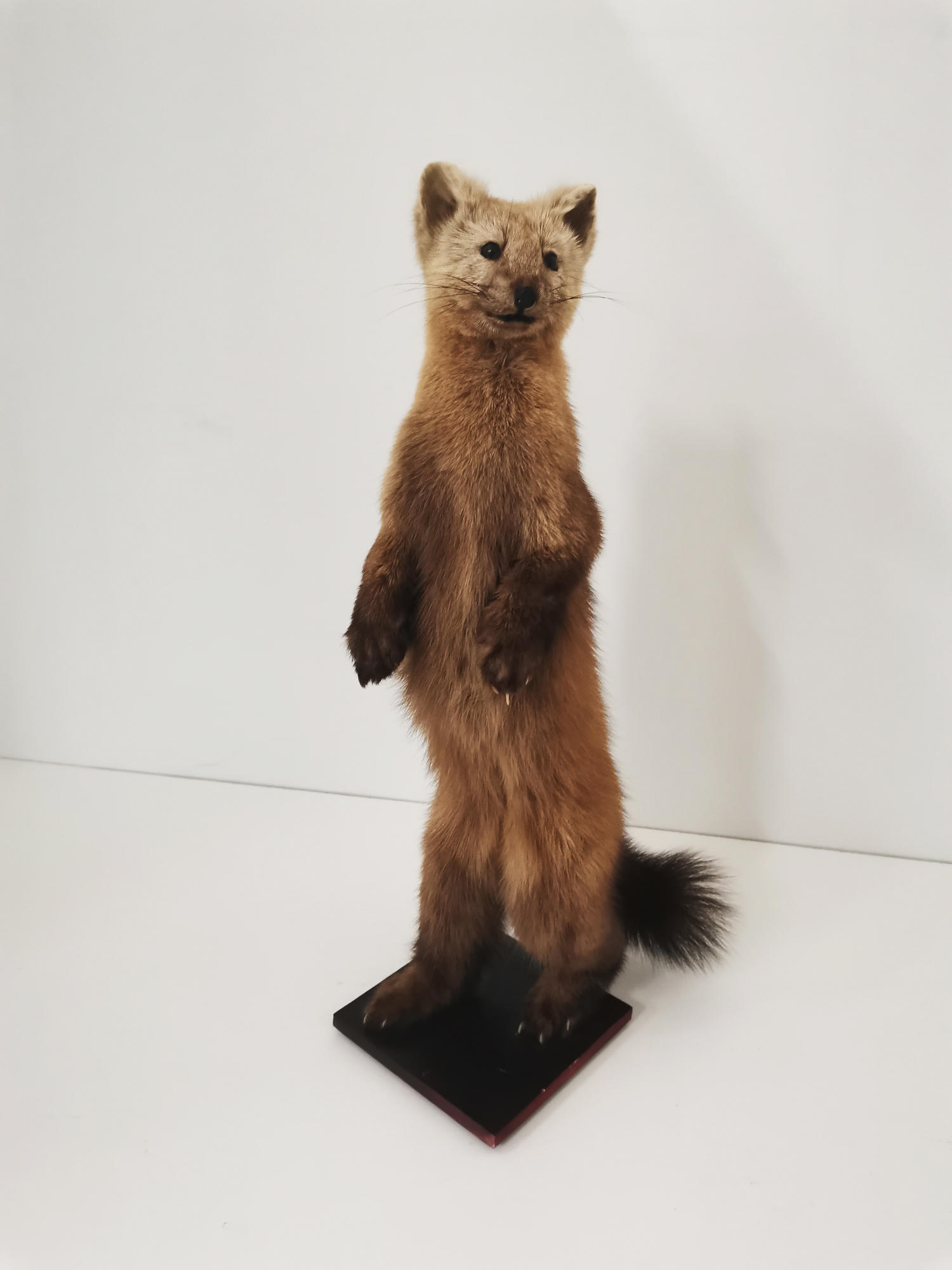


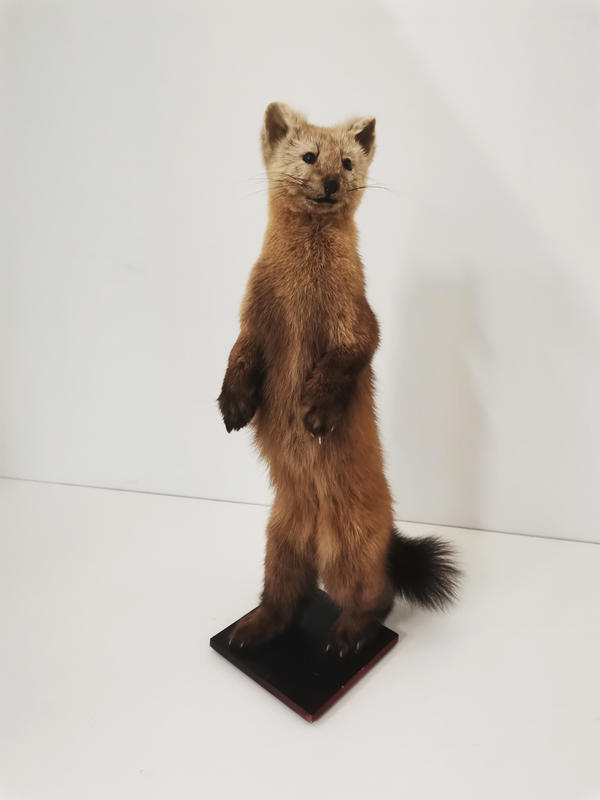
Sable, a representative of the predator order, the mustelide (marten) family, is a magnificent, dexterous and graceful forest animal, the closest relative of the pine marten. Sable is widespread in the territories from the Urals to the northern coasts of the Pacific Ocean; it is often found in our country, in rich taiga forests. The predator loves to settle in dark coniferous and cluttered taiga zones, but prefers old Siberian pine forests.
According to biologists, there are approximately seventeen varieties of these animals. Species differ in body size and coat quality. The color of their fur ranges from light chocolate to charcoal black. The latter is considered the most expensive. A distinctive feature of the sable is its wide, strong legs whose soles are also woolly.
The animal’s elongated, strong and flexible body reaches up to half a meter in length (together with the tail); the weight of an adult is up to two kilograms. As is often the case in nature, females are more elegant and lighter than males.
Sable has a beautiful muzzle with an elongated nose, small rounded ears and curious round eyes. The animal’s fur is warm, thick and fluffy. Its summer version differs from the winter one: in frosty season, the animal’s fur coat brightens, becomes thicker and fluffier, and with the onset of heat it darkens by several tones and gets sleeker, closer to the body. The fur absorbs water well, and therefore sable tries to stay away from water.
Like many other predators, sable is distinguished by excellent hearing and sense of smell. Vision is less developed, because the animal prefers to hunt at night, and in the dark, hearing and smell are more important than sharp eyes. Sable is very graceful. It moves in short jumps, each of which is about half a meter long.
Sables are animals that prefer sedentary lifestyle and rarely change their location. Depletion of food supply or natural disasters are the main reasons that can cause the predator to “move house”.
Each sable has its own hunting grounds and protects them from strangers. The average size of such a “pasture” is about 150 hectares. Outside of the breeding season, each individual lives in solitude. The life expectancy of a sable in the natural environment is about 8 years. In captivity, it can live up to 15 or even up to 22 years.
Sables live in nests building those in suitable voids among large boulders or low-lying hollow trees. They line their nests with dust, dry leaves, moss and grass, in short, everything that falls under the paw and will be good for soft litter for an adult and cubs to rest on.
According to biologists, there are approximately seventeen varieties of these animals. Species differ in body size and coat quality. The color of their fur ranges from light chocolate to charcoal black. The latter is considered the most expensive. A distinctive feature of the sable is its wide, strong legs whose soles are also woolly.
The animal’s elongated, strong and flexible body reaches up to half a meter in length (together with the tail); the weight of an adult is up to two kilograms. As is often the case in nature, females are more elegant and lighter than males.
Sable has a beautiful muzzle with an elongated nose, small rounded ears and curious round eyes. The animal’s fur is warm, thick and fluffy. Its summer version differs from the winter one: in frosty season, the animal’s fur coat brightens, becomes thicker and fluffier, and with the onset of heat it darkens by several tones and gets sleeker, closer to the body. The fur absorbs water well, and therefore sable tries to stay away from water.
Like many other predators, sable is distinguished by excellent hearing and sense of smell. Vision is less developed, because the animal prefers to hunt at night, and in the dark, hearing and smell are more important than sharp eyes. Sable is very graceful. It moves in short jumps, each of which is about half a meter long.
Sables are animals that prefer sedentary lifestyle and rarely change their location. Depletion of food supply or natural disasters are the main reasons that can cause the predator to “move house”.
Each sable has its own hunting grounds and protects them from strangers. The average size of such a “pasture” is about 150 hectares. Outside of the breeding season, each individual lives in solitude. The life expectancy of a sable in the natural environment is about 8 years. In captivity, it can live up to 15 or even up to 22 years.
Sables live in nests building those in suitable voids among large boulders or low-lying hollow trees. They line their nests with dust, dry leaves, moss and grass, in short, everything that falls under the paw and will be good for soft litter for an adult and cubs to rest on.