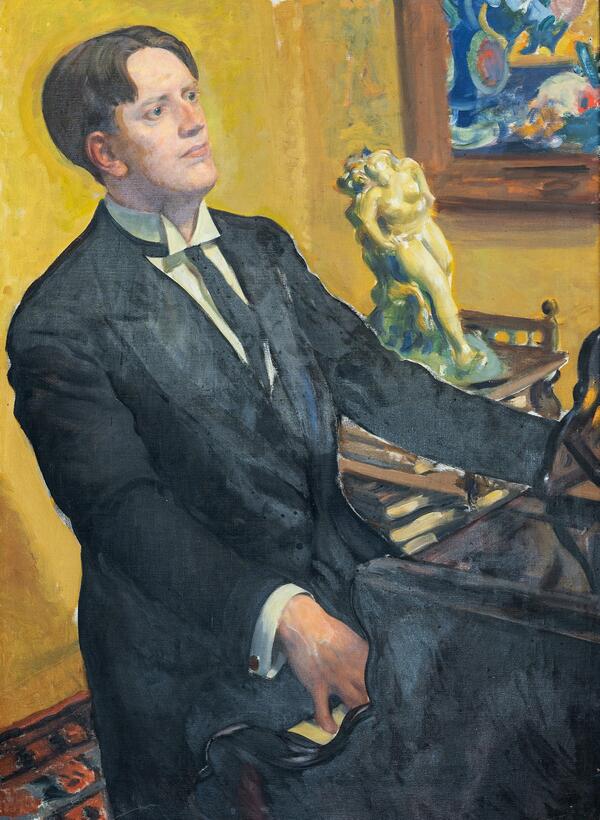
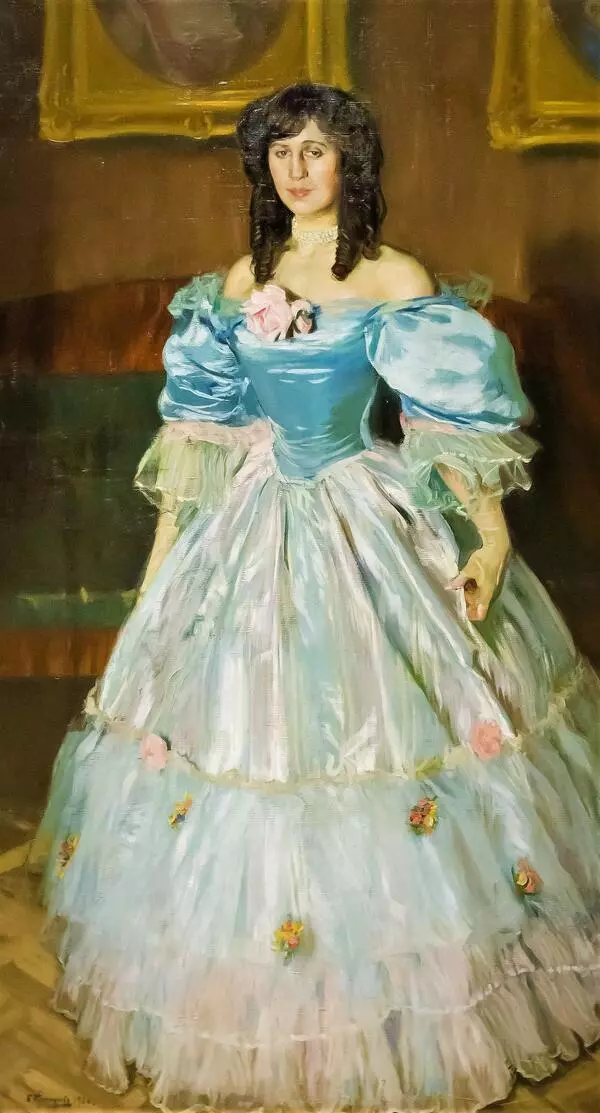
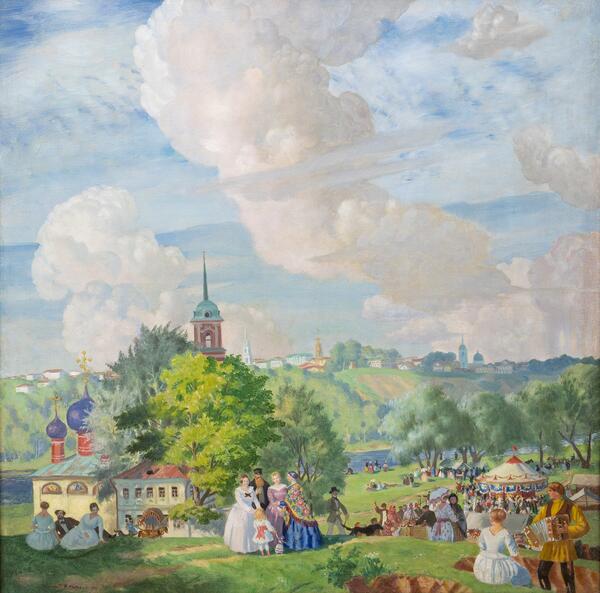
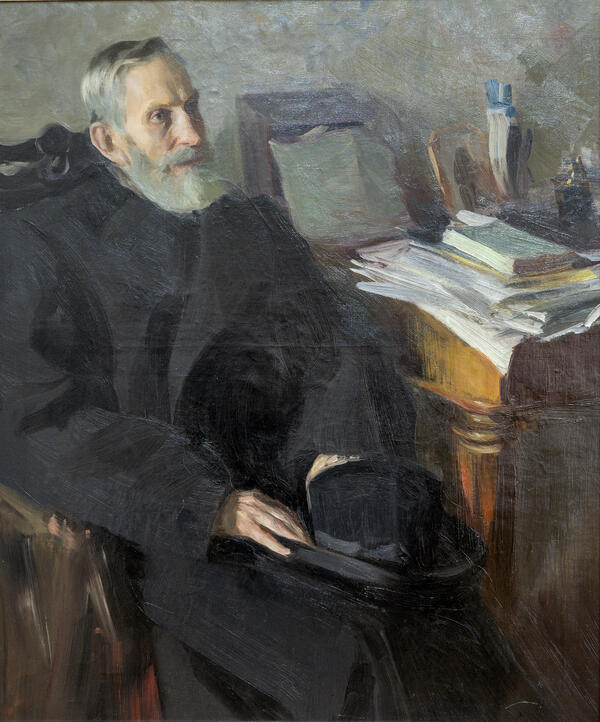
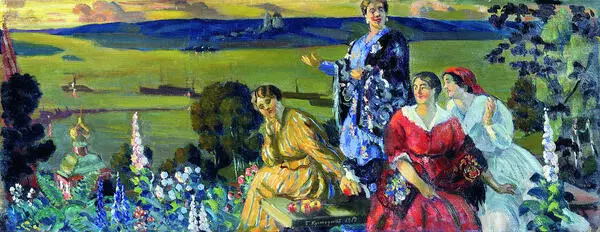
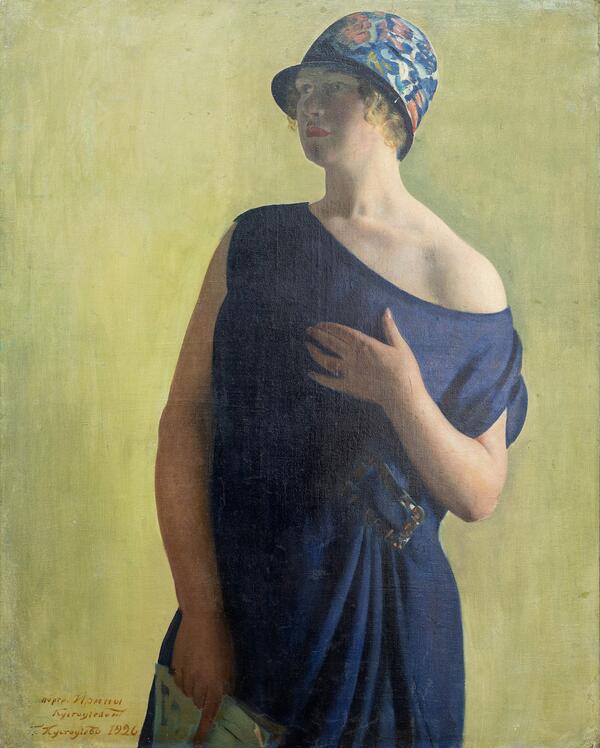
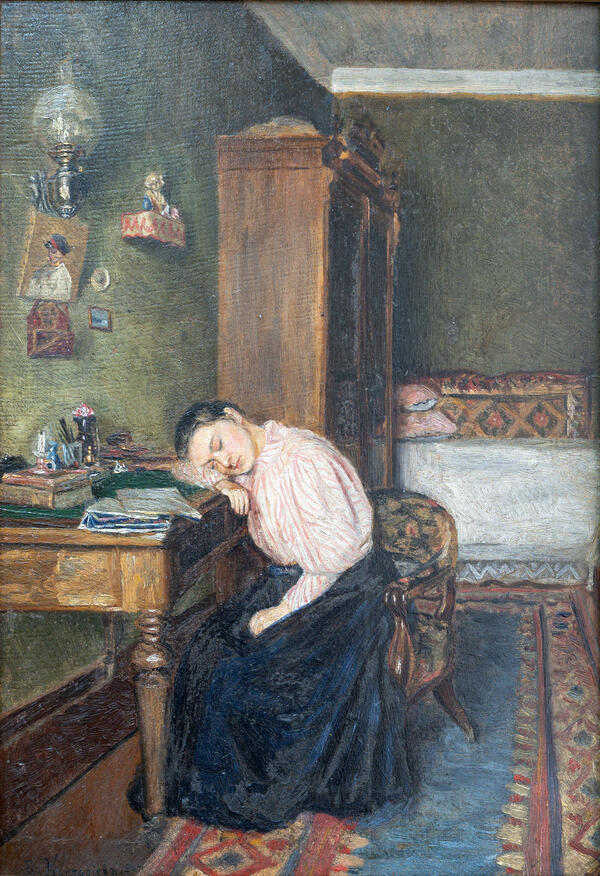
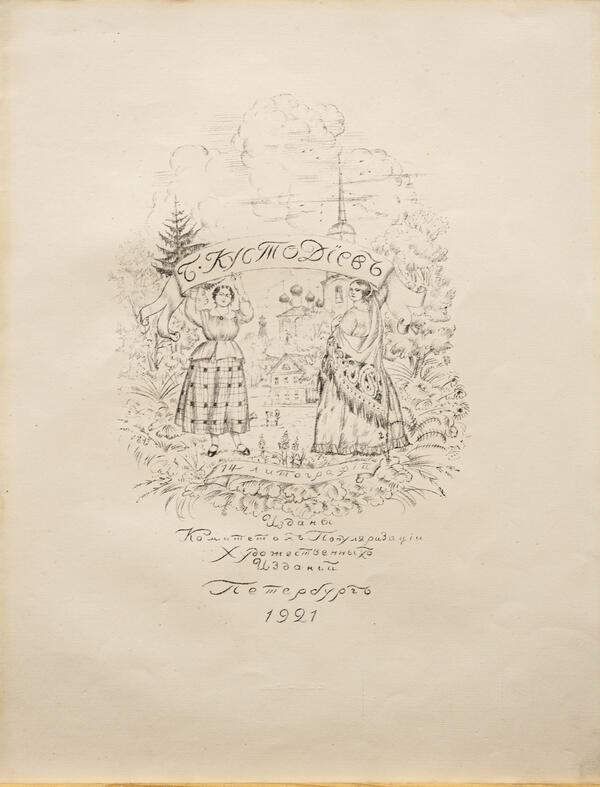
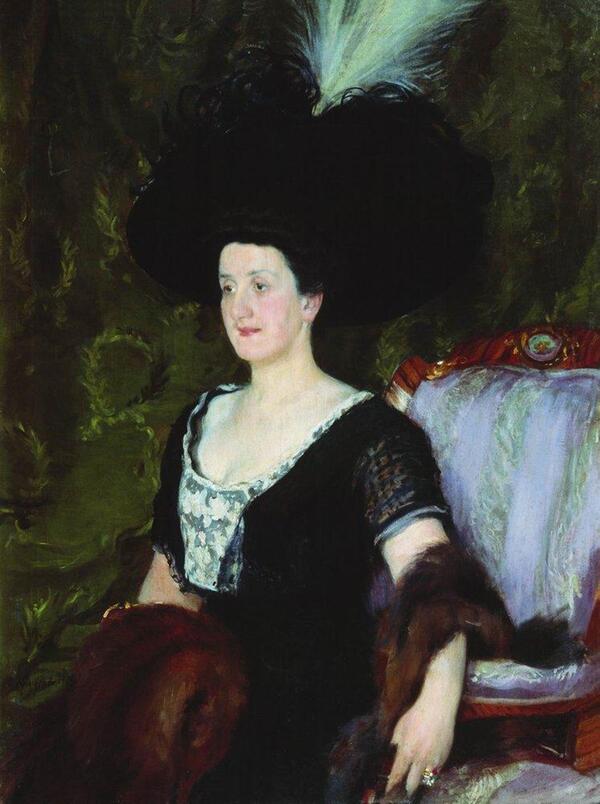
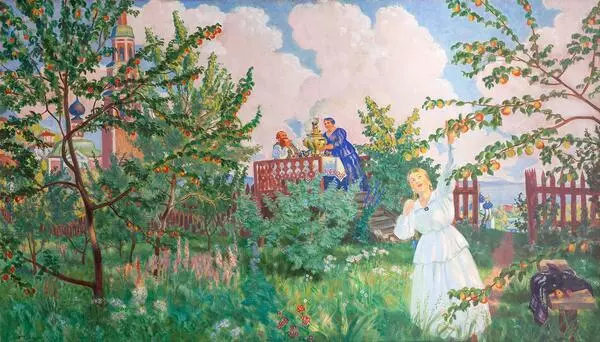
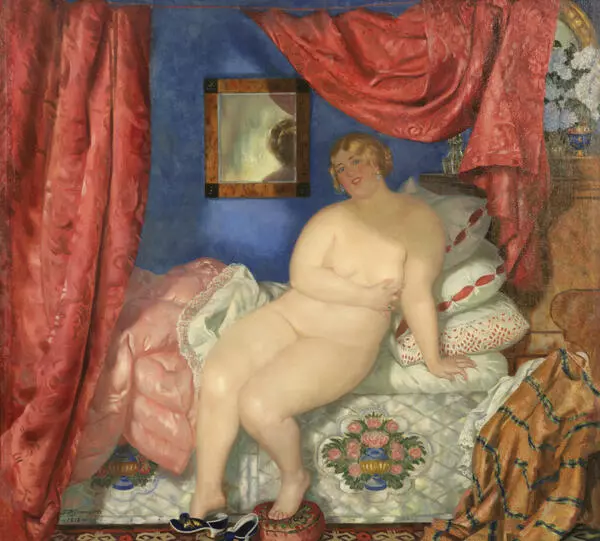
Boris Mikhailovich Kustodiev entered the history of Russian art primarily as a painter and master of the genre scene: he was a chronicler of merchant life with its fairs, market stalls, boisterous Maslenitsa carnivals, and convivial tea gatherings in taverns and homes. He is especially known for his depictions of portly merchant wives; his Russian beauties are rendered with such vitality and realism that they seem poised to step out of the canvas. Kustodiev was also a brilliant portraitist — his iconic 1921 portrait of the opera singer Feodor Chaliapin remains one of the most celebrated images in Russian art.
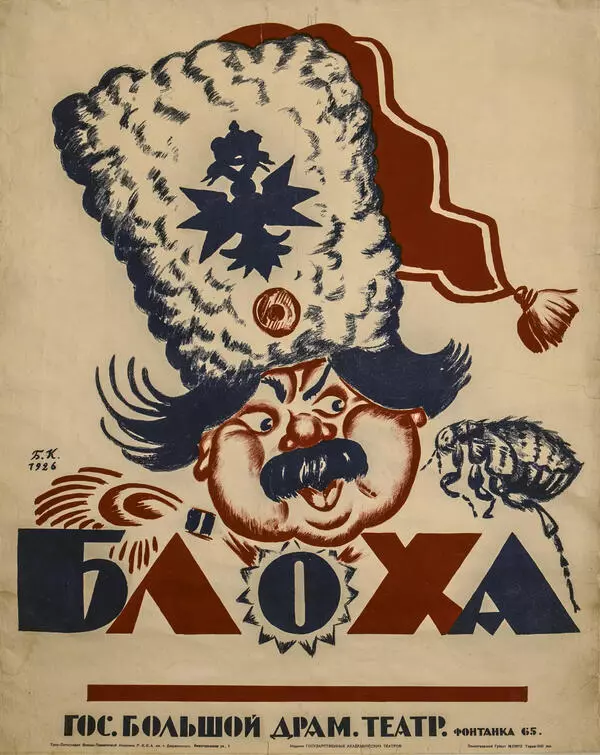
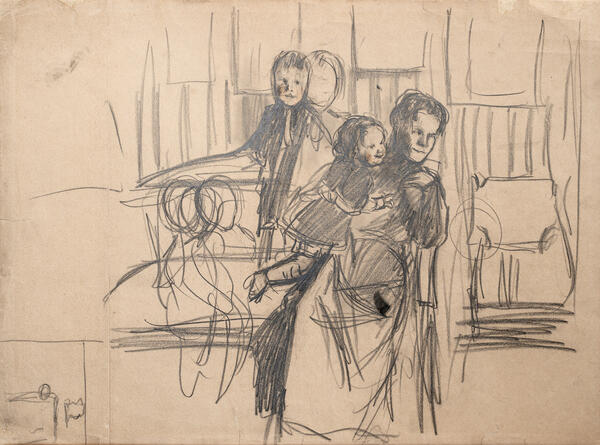
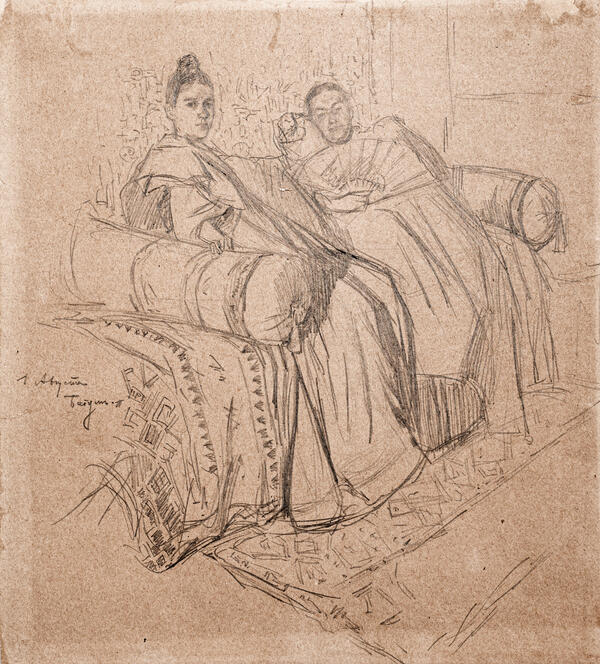
Although painting was always the central passion and purpose of his life, the aesthetic principles of the Mir Iskusstva (“World of Art”) movement — of which Kustodiev was a devoted member — demanded engagement with the graphic arts: theatrical and decorative design, drawing, and, above all, book and magazine illustration. Boris Kustodiev honored each of these disciplines with dedication and skill.
Kustodiev’s interest in book illustration arose during his studies at the Imperial Academy of Arts. He was particularly drawn to the works of Nikolai Gogol. His first foray into illustration dates to 1901–1902, when a provincial publisher in Vyatka released a poorly printed edition of “Taras Bulba”, bearing the cover inscription: “With 9 drawings by B.M. Kustodiev, edited by Academician I.Y. Repin”.
These early graphic works were essentially standalone illustrations not yet integrated into a cohesive book design. They lacked the holistic unity of text, typography, and image that would later define the Mir Iskusstva approach to publishing. Nevertheless, the illustrations themselves were executed with remarkable technical mastery.
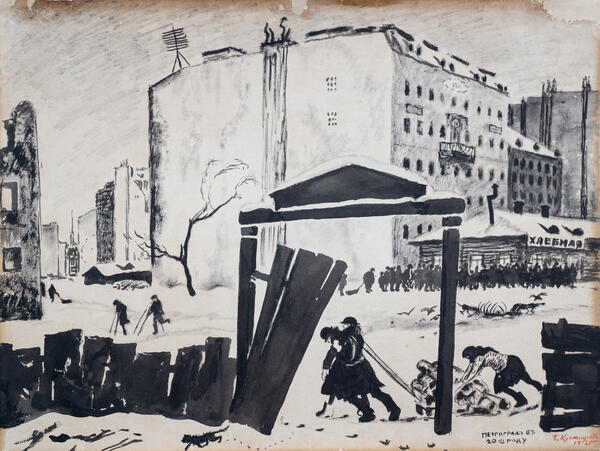
The first Russian revolution — a pivotal event that galvanized many artists of the Mir Iskusstva circle — did not escape Kustodiev’s attention. He returned to graphic art, a medium uniquely suited to capturing the urgency of street protests and public unrest. Life itself supplied his subjects: works such as “A Rally at the Putilov Factory” and “Demonstration” emerged directly from the turbulent atmosphere of the time.
Kustodiev contributed to satirical journals like Zhupel (Bugbear) and Adskaya Pochta (Hell’s Mail), illustrated the “Calendar of the Russian Revolution”, and remained active in book graphics. His literary focus remained firmly on the Russian classics; he rarely illustrated foreign authors and turned only occasionally to contemporary Russian prose.
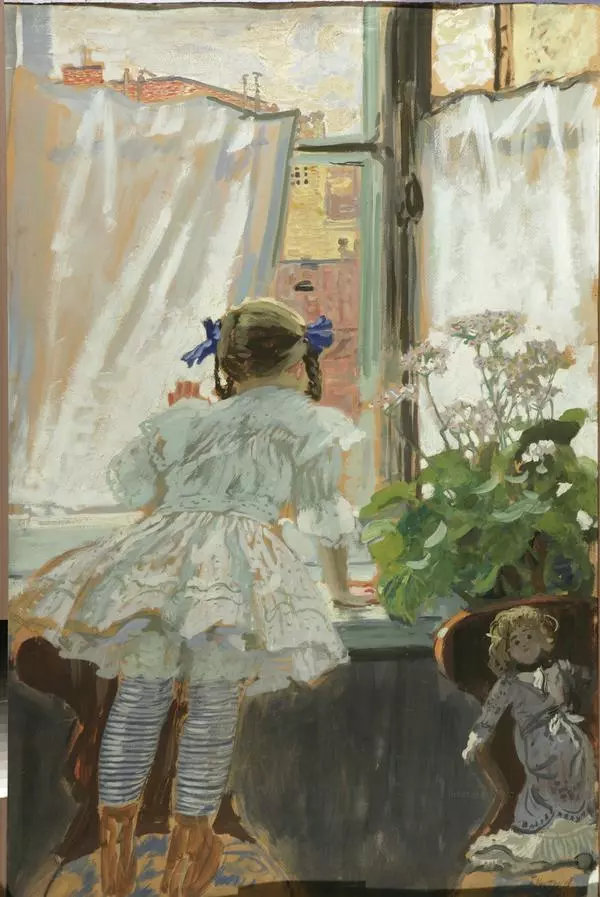
“Portrait of a Girl in a Headscarf”, held in the collection of the Irbit Museum of Fine Arts and dated 1925, may have originated as a study following his revolutionary-themed works, as a magazine illustration, or as an independent composition. Unfortunately, no definitive documentation of its origin has survived.