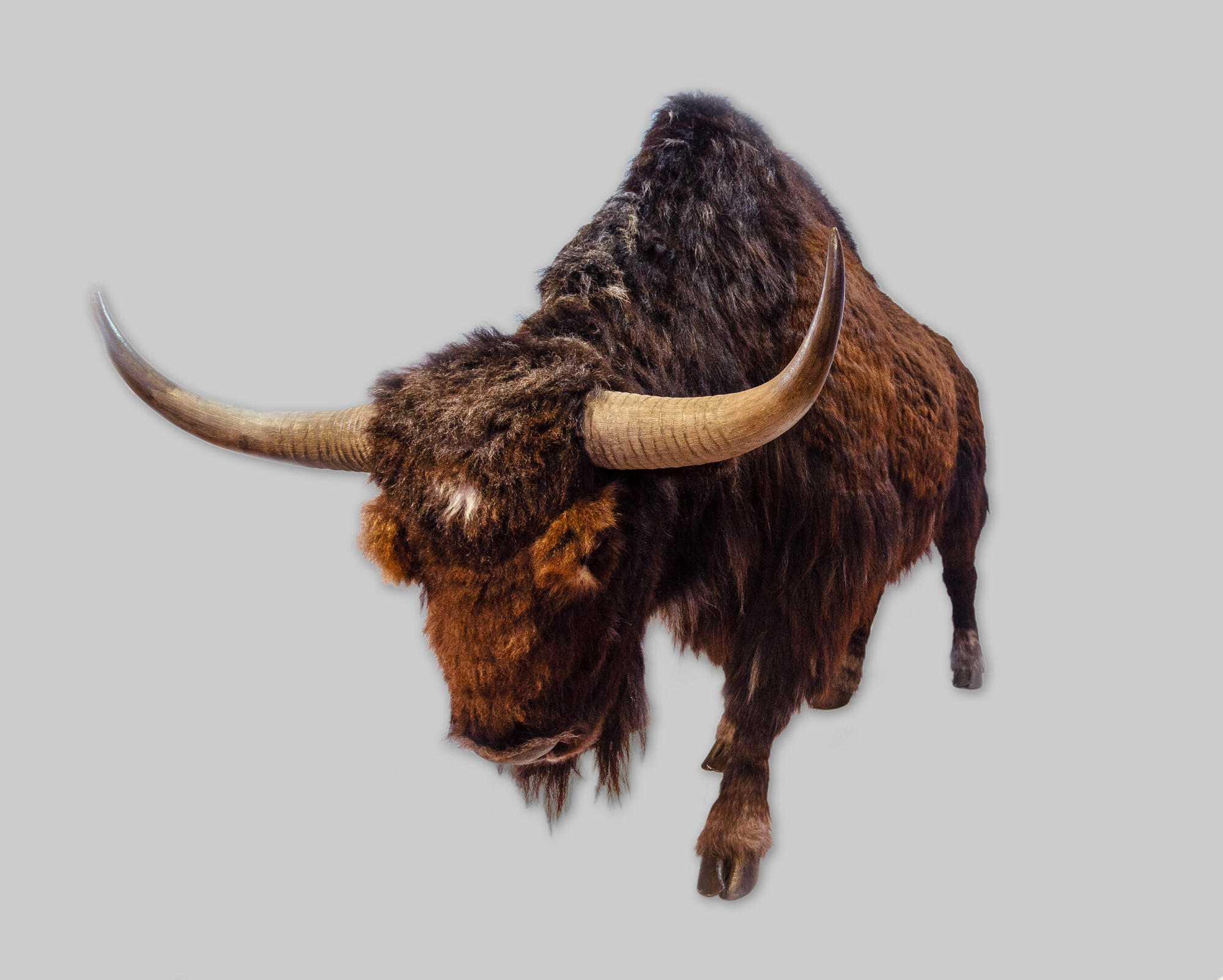


More than 500 thousand years ago, herds of primitive or steppe bison lived in the steppes of Eurasia. Ancestors of this species appeared in Asia and were the same size as medium sized contemporary cows. In 1,000 years of evolution in favorable conditions they significantly grew and migrated to North America, establishing themselves on their own continent. On average, individuals of these artiodactyls reached 3 m in length, 2 m at the withers and weighed up to 2.5 tons.
Primitive bison adapted well to the conditions of the steppes and tundra steppes. Their powerful bodies were covered with thick dark wool: near the head and withers it grew up to 50 cm long and turned into a kind of mane. They ate grass, plant shoots and shrub foliage. In winter, the main food was herbaceous rags, moss and lichens. Bison could feed with a snow cover of up to 1 m deep - a keen sense of smell helped to find food. Scientists believe that ancient bison, like modern bison, are able to distinguish smells at a distance of up to 2 km. Smelling the grass hidden by the snow, they scattered it with their hooves, and then dug with rotating movements of the head and muzzle.
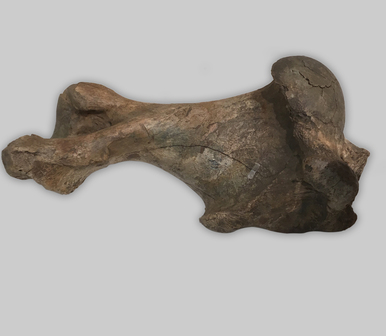
Scientists found bones and images of primitive steppe bison at the sites of ancient people. Many drawings have served as a means of reconstructing the life of the extinct species.
American bison, Belarusian and Caucasian bison are considered descendants of steppe bison.
Primitive bison adapted well to the conditions of the steppes and tundra steppes. Their powerful bodies were covered with thick dark wool: near the head and withers it grew up to 50 cm long and turned into a kind of mane. They ate grass, plant shoots and shrub foliage. In winter, the main food was herbaceous rags, moss and lichens. Bison could feed with a snow cover of up to 1 m deep - a keen sense of smell helped to find food. Scientists believe that ancient bison, like modern bison, are able to distinguish smells at a distance of up to 2 km. Smelling the grass hidden by the snow, they scattered it with their hooves, and then dug with rotating movements of the head and muzzle.
The average lifespan of steppe bison was 20–25 years. They had few natural enemies - and were mostly attacked by cave lions and wolves. In case of danger, the bison could cut through a predator with horns, crush it with their weight, hammer it with hooves, or flee from it: the animals could build up a speed of 50 km / h.
With the reduction of pastures due to climate change, the bison dwindled in numbers and about 10 thousand years ago they became extinct. The extinction of the species was partly facilitated by primitive people. By the end of the Ice Age, our ancestors learned how to make more advanced tools and weapons, and developed the tactics of driven hunting. Bison were sought after for valuable warm skins used for clothing and dwellings, meat for food and bones for weapons and jewelry.
With the reduction of pastures due to climate change, the bison dwindled in numbers and about 10 thousand years ago they became extinct. The extinction of the species was partly facilitated by primitive people. By the end of the Ice Age, our ancestors learned how to make more advanced tools and weapons, and developed the tactics of driven hunting. Bison were sought after for valuable warm skins used for clothing and dwellings, meat for food and bones for weapons and jewelry.
Scientists found bones and images of primitive steppe bison at the sites of ancient people. Many drawings have served as a means of reconstructing the life of the extinct species.
American bison, Belarusian and Caucasian bison are considered descendants of steppe bison.