The reindeer is a friend, breadwinner and main value for the indigenous peoples of the North. Its name is translated from the Nenets language as “giving life”, since it was a source of survival for the first settlers of the northern lands of Eurasia and America. People have been hunting reindeer for over 100,000 years, and as a separate species it was classified in 1827. The reindeer lives in the taiga and tundra, it is adapted to life in arctic conditions, but does not tolerate heat.
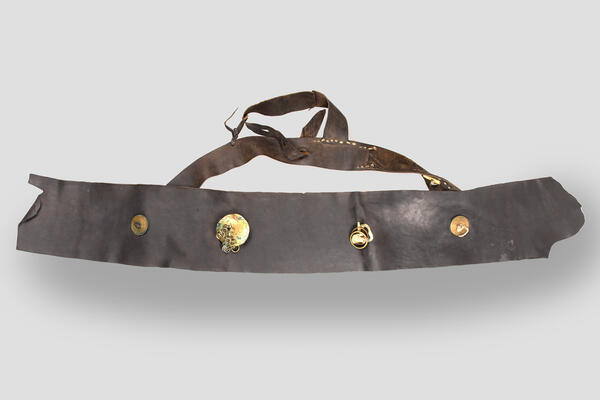
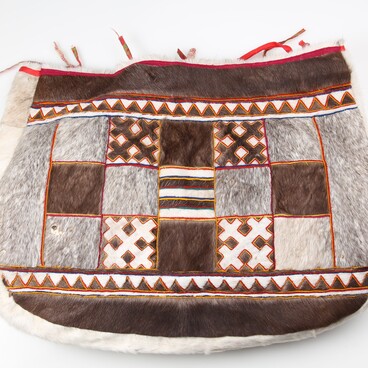
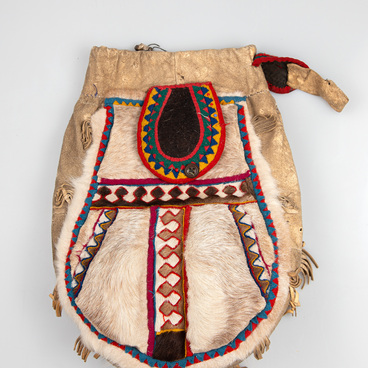
The domestication of the reindeer was the beginning of reindeer breeding, which is most developed in the Yamalo-Nenets Autonomous Okrug. About half of the total number of reindeer in Russia lives there, and in terms of the total number of domestic reindeer, Russia ranks first in the world. The main products of reindeer breeding are meat, hides, milk and parts of deer antlers, which are used in medicine and cosmetology. In the conditions of impassible northern terrain, reindeer sleds remain the only means of transportation in some areas, as well as a national sport. Many peoples of the North — the Nenets, Evenki, Mansi, and Yakuts — revere the deer as a hero of legends, traditions and ancient rituals, especially weddings.
For most of the year, reindeer get their food from under the snow. They can dig a 150 cm snow layer with sharp hooves and eat 5 kilograms of lichen per day. They can consume any kind of food, eat up to 120 species of plants and chew snow to quench the thirst. Deer eat bird eggs, seaweed, mushrooms, mosses, fish, crabs and lemmings, which are called “deer mice”. Lichen, a bushy white plant known as “deer moss” or “Iceland moss”, not only satiates the deer, but also serves as a medicine: it is a natural antibiotic for diseases and intestinal parasites.
Domestic and wild reindeer are in constant rivalry and competition for grazing and breeding. The main enemies of the deer are the wolf, bear, wolverine, lynx and wild dogs. Reindeer are constantly migrating, every autumn they move to the forest-tundra or taiga, where they hide from snowstorms and find food. In two months, deer travel up to 750 km. These are strong, intelligent and hardy animals.
The domestication of the reindeer was the beginning of reindeer breeding, which is most developed in the Yamalo-Nenets Autonomous Okrug. About half of the total number of reindeer in Russia lives there, and in terms of the total number of domestic reindeer, Russia ranks first in the world. The main products of reindeer breeding are meat, hides, milk and parts of deer antlers, which are used in medicine and cosmetology. In the conditions of impassible northern terrain, reindeer sleds remain the only means of transportation in some areas, as well as a national sport. Many peoples of the North — the Nenets, Evenki, Mansi, and Yakuts — revere the deer as a hero of legends, traditions and ancient rituals, especially weddings.
For most of the year, reindeer get their food from under the snow. They can dig a 150 cm snow layer with sharp hooves and eat 5 kilograms of lichen per day. They can consume any kind of food, eat up to 120 species of plants and chew snow to quench the thirst. Deer eat bird eggs, seaweed, mushrooms, mosses, fish, crabs and lemmings, which are called “deer mice”. Lichen, a bushy white plant known as “deer moss” or “Iceland moss”, not only satiates the deer, but also serves as a medicine: it is a natural antibiotic for diseases and intestinal parasites.
Domestic and wild reindeer are in constant rivalry and competition for grazing and breeding. The main enemies of the deer are the wolf, bear, wolverine, lynx and wild dogs. Reindeer are constantly migrating, every autumn they move to the forest-tundra or taiga, where they hide from snowstorms and find food. In two months, deer travel up to 750 km. These are strong, intelligent and hardy animals.