There were numerous attempts to create a sewing machine. The first commercially available sewing machines were designed by the French inventor Barthélemy Thimonnier and the American Walter Hunt. Later, in 1845, another sewing machine was created by the American mechanic Elias Howe. He received a patent for his invention in 1846. His lockstitch sewing machine produced 300 stitches per minute.
The Industrial Revolution, which started in the 19th century, led to the gradual displacement of manual labor at plants and factories by machines and mechanisms. Workers switched to maintaining these devices. Along with large enterprises, smaller repair workshops began to emerge. It was at one of such workshops that Isaac Merritt Singer worked as an engineer.
Together with the lawyer and investor Edward Clark, he founded a sewing machine manufacturing company in New Jersey. Singer sewing machines revolutionized sewing and changed the way clothes were made. Gradually, the invention was improved, becoming faster and acquiring new features such as embroidery, darning, and sewing tarps, horse tack, and shoes.
In the 19th century, Singer sewing machines were imported into the Russian Empire and were mainly affordable to wealthy families. A bride with a Singer sewing machine as a dowry was considered wealthy. In the early 20th century, a local branch of the company opened in Podolsk. In 1905, it produced more than 5,000 sewing machines.
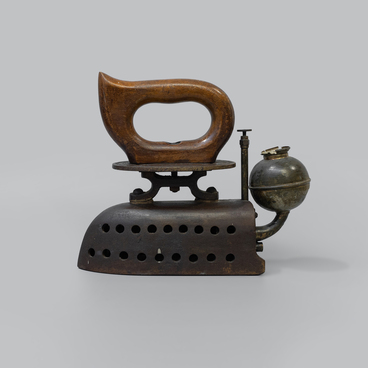
During the Russian Revolution of 1917, the Singer company passed over control of the factory to the Provisional Government for a nominal lease in order to prevent the plant from being closed. However, in November 1918, the plant was officially nationalized. The manufacturing of its main products stopped for five years. During this time, the plant produced cauldrons, pans, and clothes irons. The number of workers decreased several times.
In 1923, the plant was renamed “Gosshveymashina” (State Sewing Machine Plant) and resumed producing sewing machines that were copies of Singer models. In 1924, the first Soviet sewing machines were assembled, and one year later, production increased fourfold. 1928 proved to be a significant turning point for the factory when all parts were already made in the Soviet Union. After 1931, products were branded as “Podolsk”.