Font
Color
Graphics
Изображение точки

To see AR mode in action:

1. Install ARTEFACT app for iOS or Android;

2. Find the exhibition «The Life and Legacy of Alexander Ertel»

3. Push the «Augmented reality» button and point your phone's camera at the exhibit;

Скрыть точки интересаПоказать точки интереса
Показать в высоком качестве

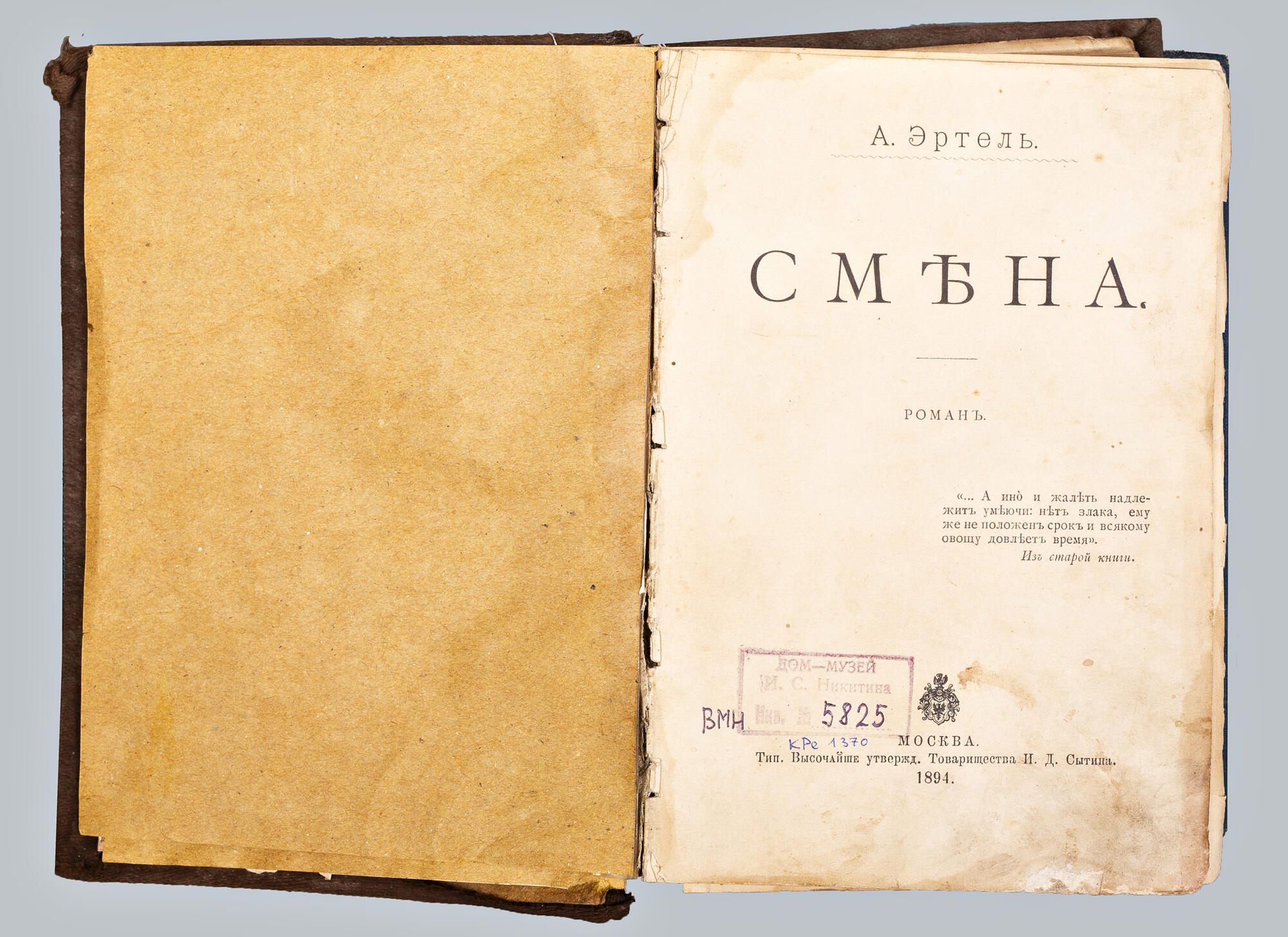
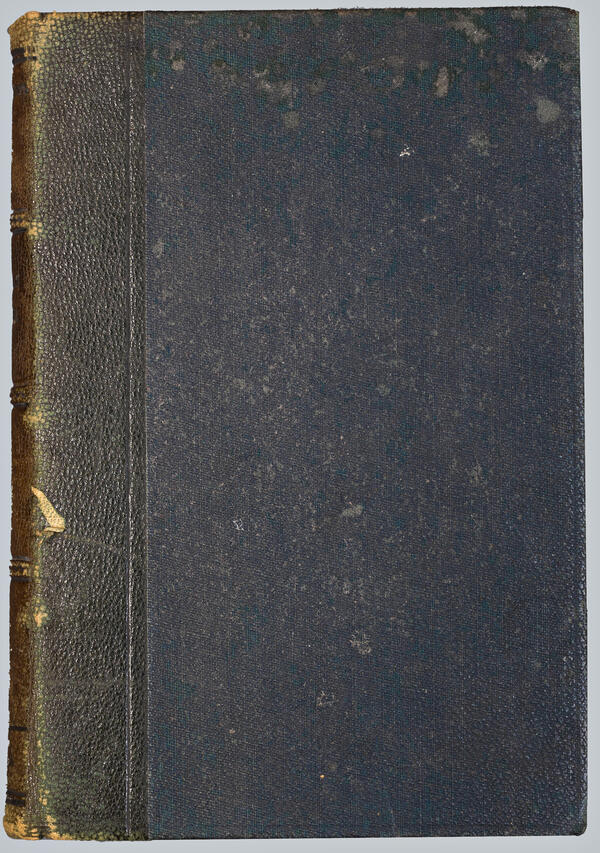
The Change

Creation period
1894
Place of сreation
Moscow, the Russian Empire
Dimensions
18x13 cm
Technique
paper, cardboard, fabric; typographic printing
0
Open in app
#2

In September 1890, Alexander Ivanovich Ertel rented the Yempelevo hamlet, located 30 versts (roughly 33 kilometers) from Voronezh, and moved there with his family. The house had five rooms, a large fruit garden with alleys and ponds and more than 100 dessiatins of land (an archaic Russian land measurement dessiatin is equal to approximately 1.09 hectares). Ertel rented the land out to peasants to pay his own rent and only used the house itself and the garden. He hoped this place would help him get some rest from the hustle and bustle of the city and dedicate more time to writing.

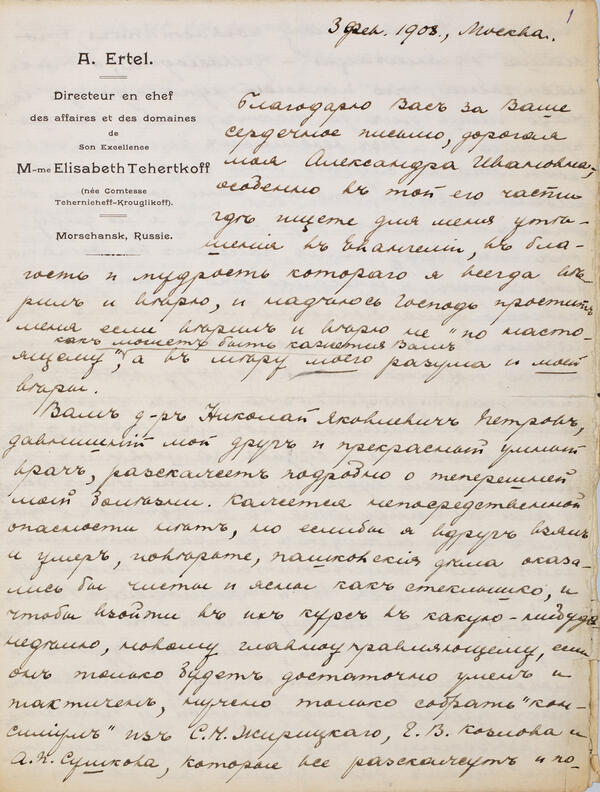
From the end of 1890 to November 1891, the writer was working on “The Change” — his second big novel after “The Gardenins”. In a letter to the writer and philosopher Pavel Alexandrovich Bakunin dated December 14, 1890, he admitted,
#3

Yes, my dear Pavel Alexandrovich, I am writing a novel! It is called ‘The Change’ and is turning out quite large. The beginning, perhaps, will appear in the January booklet of R.M. [Russkaya Mysl] if the editors will not fret about censorship and force me to revise it. ‘The Change’ is about the metamorphosis that is now taking place, which forces the intellectual people of aristocratic habits and education, their nerves, traditions, feelings, and to a large extent ideas to leave the stage and give way to other, not so refined and even rude people, who are, however, much more adapted to the struggle.

#4

In his novel, Ertel intended to show a broad picture of contemporary Russian society — the circle of educated raznochintsy (a social estate that included the lower court and governmental ranks, children of personal dvoryans, and discharged military), the everyday life of the Saint Petersburg nobility and the peasant environment. While in “The Gardenins” the writer put the social and economic problems in the foreground, this novel attached significant importance to the issues of politics and culture.

The main character of the novel, Andrey Petrovich Mansurov, belongs to a rich and noble family, albeit ruined; he is initially shown spending time at secular jours fixes, then among raznochintsy, then in the countryside and, finally, among the uyezd merchants. The new forces triumph and the old ones are to be superseded — this is the novel’s main idea.

According to the author, the new forces represent the new intelligentsia, originating from the raznochintsy. The novel portrays Dr. Mikhail Ferapontov, a scientist named Filat Bushmarin, a painter Afanasy Boriskin and other intellectuals with deep sympathy. While these educated characters, well-versed in arts and literature, empathize with the plight of the peasants, they are not united by a single idea that determines their behavior and beliefs. Ertel points to this weakness in the young and honest people as a characteristic feature of society in the 1880s.

#6
The Change
#5
View in the State Catalogue
read morehide
00:00
00:00
1x

The Change

Creation period
1894
Place of сreation
Moscow, the Russian Empire
Dimensions
18x13 cm
Technique
paper, cardboard, fabric; typographic printing
0
Point your smartphone camera to open in the app
Share
VkontakteOdnoklassnikiTelegram
Share on my website
Copy linkCopied
Copy
Open in app
To see AR mode in action:
  1. Install ARTEFACT app for 
  2. iOS or Android;
  3. Find and download the «Paintings in Details» exhibition
  4. Push the «Augmented reality» button and point your phone's camera at the painting;
  5. Watch what happens on your phone screen whilst you flip through the pictures.
 
We use Cookies
Cookies on the Artefact Website. We use cookies to ensure that we give you the best experience on our website. If you continue without changing your settings, we'll assume that you are happy to receive all cookies on the Artefact website. However, if you would like to, you can change your cookie settings at any time.
Learn more about useHide
Content is available only in Russian

X

Нашли опечатку?...

%title%%type%