The French philosopher Blaise Pascal said:


Book of Silence
Creation period
1999
Place of сreation
Kostroma, Russia
Dimensions
33x26x24 cm
Technique
metal, plastic; manual assembly
Collection
2
Open in app#2
#8
One needs to be able to read every book.
#9
For each book, the reader finds their own “key”, unravels its meaning, fills in the blanks, adds details, compares his ideas with those expressed by the author.
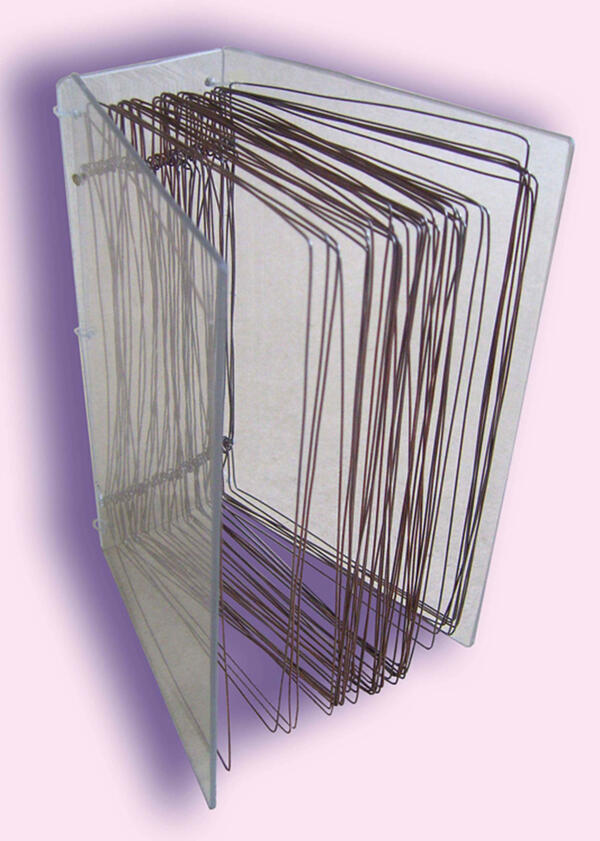
Alexander Vasilyevich Ahanov’s 1999 work “Book of Silence” is one of his most unusual books. Compared to his other art objects with many details, it looks unexpectedly concise. This raises many questions: #10
Why is there nothing in it? Maybe it only looks empty? How do I look inside and solve the mystery?
#11
It is no accident why silence excited the artist so much. Alexander Ahanov recalled the words of his teacher, which resonated with him on a very deep level:
#12
I wish you to achieve harmony with these three things: yourself, people and the world.
#13
For Ahanov, “harmony is balance (yin and yang, black and white, heaven and earth, man and woman).” Silence can also be considered one of the forms in which harmony and balance manifest themselves — as a special spiritual state, which one can describe as reaching the height of concentration on one’s ideas, thoughts and feelings.
Silence often indicates intensive work of thought. A philosophical outlook brings about silence and contemplation. This is also characteristic of Alexander Vasilyevich Akhanov. The defining features of his works include constant analysis of the world order, his place in it, his path in life and art.
The book is an open binding made of transparent plastic with empty metal wire frames. They symbolize silence — not emptiness. Behind this silence, there may be a lot of memories, thoughts, and emotions. Then it is not merely silence, but concentration evident of deep thoughts and peace of mind.
When observing this art object, one may come to the idea of how insignificant, for example, a work of literature is compared to a person’s desire for the unknown — their drive to realize their place in this world. #15
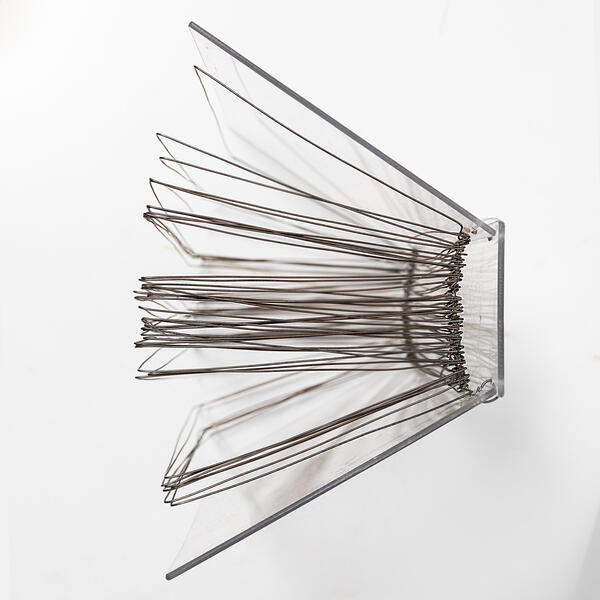
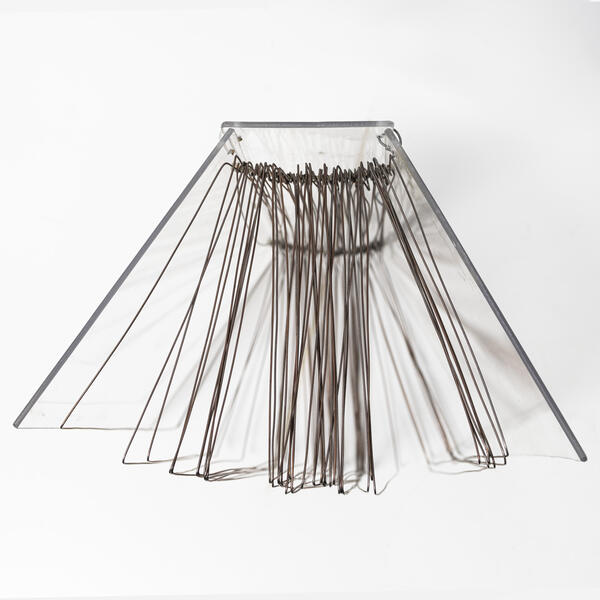
Book of Silence
#14
Ministry of Culture of the Russian Federation
read morehide
00:00
00:00
1x
Book of Silence
Creation period
1999
Place of сreation
Kostroma, Russia
Dimensions
33x26x24 cm
Technique
metal, plastic; manual assembly
Collection
2
 Point your smartphone camera to open in the app
Open in app
Share


