From ancient times until the early 20th century, representatives of different peoples believed that the world around them was inhabited by gods and spirits. According to them, spirits lived everywhere: in the sky and in the air, in stones and in trees, underwater and underground. They had power over the forces of nature, animals, plants, and, of course, people. Spirits could be good and evil, mighty and weak. They helped and harmed, protected and attacked. Just like people, they felt happy and sad, loved and hated, gave and took away, expressed gratitude and practiced extortion.
Since ancient times, people communicated with the world of spirits on a daily basis, making sacrifices and asking them for help. Good and evil spirits were always somewhere close, inhabiting their own intangible and mysterious world. They were depicted using various images, including animals, birds, strong warriors, beautiful girls, wrinkled old women, ugly monsters, and fantastic creatures. To worship spirits, people made figurines, fed them, dressed them up, gave them gifts, and talked to them. People believed that the life of any person or group of people depended on the will of the gods and spirits.
Northern peoples believed that the earth and all living creatures were created by Num, the supreme god, and that their well-being depended on him. Num helped people only when they sought his protection. The Nenets and Khanty prayed to the idols for good luck before hunting and fishing; a sick person could ask for health.
Idols were divided into clan,
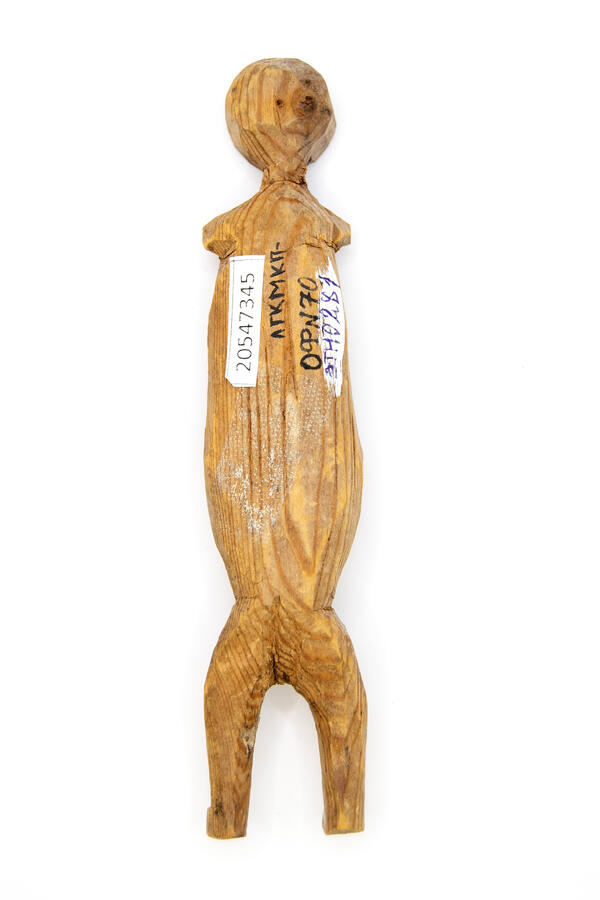
family, and personal idols. The Nenets called domestic idols “myadkhehe” —
these were small wooden figurines resembling a person or an animal. They were
considered patrons of the family and were kept in special pouches or chests.
Some domestic idols were female. They were the patronesses of women,
housewives, and the hearth. Human-like figures were carved from a solid piece
of wood and did not have arms. The body proportions could be unrealistic, with
short, slightly curved legs, a long torso, and a round belly. A nose, a
forehead, and eyes were carved on the face, while notches depicting ribs were
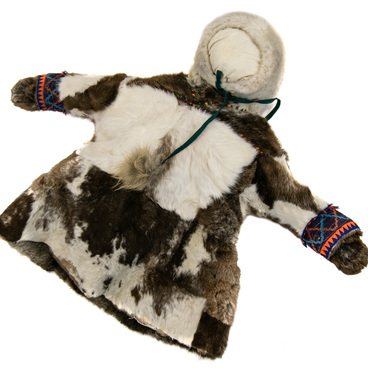
made on the torso. A human-like doll was dressed in clothes made of fur or
fabric. Each new garment was added in gratitude for the idol’s help.