In 1877, Thomas Edison tested for the first time his new invention — the phonograph — a device for reproducing sound. It was a cylinder wrapped with tinfoil and fitted with a membrane and a needle, a horn amplifier and a handle. The inventor thought the device might be useful for taking shorthand notes or recording books for the blind. This device was only available to the very wealthy.
The French inventor Charles Cros could have been a sound recording pioneer, but bureaucratic obstacles prevented him from doing so. However, it was his materials that were used by Emil Berliner, a German-born American who invented the gramophone. The first gramophone discs had recordings only on one side, and improvements in sound quality had to be made all the time.
Gramophones came to Europe from America. Charles Pâthé was the first to notice the novelty. In 1894, he bought one for 1,800 francs and began to “perform” with it at fairs. He invited anyone wishing to try himself as a singer or reciter to record and listen to their voices. The venture earned him 200 francs a day and very soon paid off. Soon the brothers Charles, Emile, Theophile and Jacques Pâthé opened the first salon for phonograph recordings. Two years later they founded the Pâthé brothers and later Pâthé Frères. The brothers developed a new — double-sided —recordable disc format.
In 1905 the company introduced its own trademark with the image of a Gallic rooster.
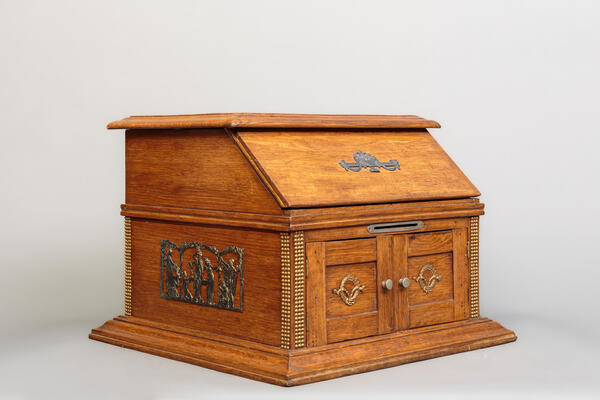
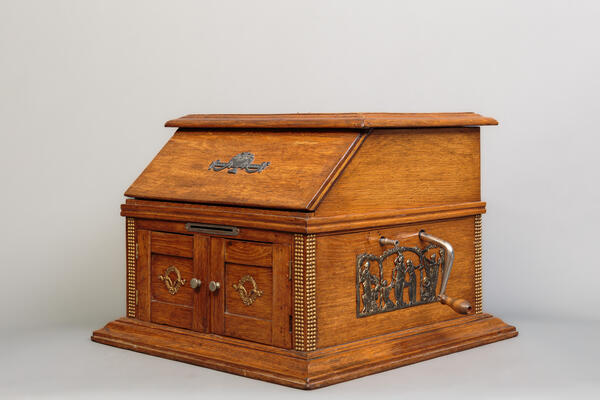
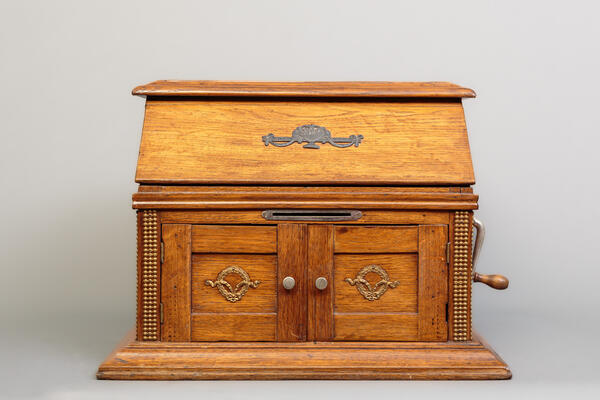
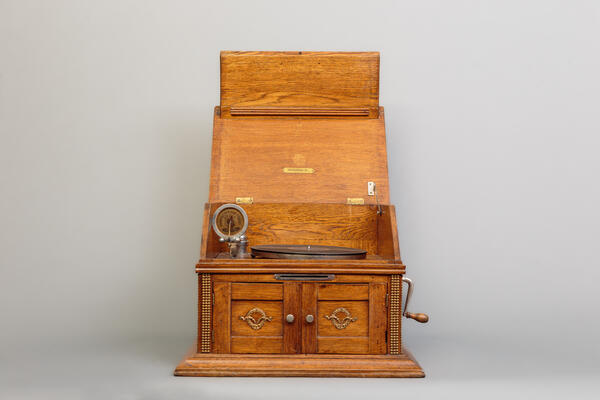
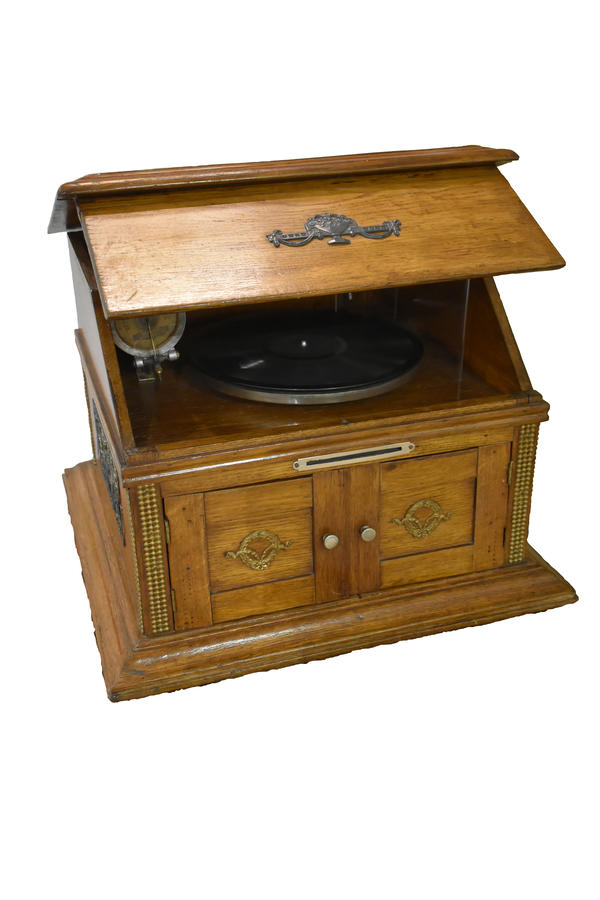
In the early 20th century, the Pâthé brothers created a compact, portable gramophone with a small, horn, hidden in the box. Unlike the gramophone, it played from the center to the edge and the groove was not cut in a lateral plane but in a vertical one. The device was produced in the form of a wooden box and later as a case with a handle. It was this improved ‘case’ that later became known as the patephone.
In 1907, the first Pâthé record shop opened in Moscow, soon to spread throughout Russia.
Over time, Jacques and Theophile Pâthé retired from the company; Emile went on to work with recorders and Charles engaged in the film industry.
In 1928, Pâthé Frères was taken over by the French branch of the Columbia company. It was in turn taken over in 1931 by the British Electric and Musical Industries Ltd.
Gramophones remained popular until the 1940s.
The French inventor Charles Cros could have been a sound recording pioneer, but bureaucratic obstacles prevented him from doing so. However, it was his materials that were used by Emil Berliner, a German-born American who invented the gramophone. The first gramophone discs had recordings only on one side, and improvements in sound quality had to be made all the time.
Gramophones came to Europe from America. Charles Pâthé was the first to notice the novelty. In 1894, he bought one for 1,800 francs and began to “perform” with it at fairs. He invited anyone wishing to try himself as a singer or reciter to record and listen to their voices. The venture earned him 200 francs a day and very soon paid off. Soon the brothers Charles, Emile, Theophile and Jacques Pâthé opened the first salon for phonograph recordings. Two years later they founded the Pâthé brothers and later Pâthé Frères. The brothers developed a new — double-sided —recordable disc format.
In 1905 the company introduced its own trademark with the image of a Gallic rooster.
In the early 20th century, the Pâthé brothers created a compact, portable gramophone with a small, horn, hidden in the box. Unlike the gramophone, it played from the center to the edge and the groove was not cut in a lateral plane but in a vertical one. The device was produced in the form of a wooden box and later as a case with a handle. It was this improved ‘case’ that later became known as the patephone.
In 1907, the first Pâthé record shop opened in Moscow, soon to spread throughout Russia.
Over time, Jacques and Theophile Pâthé retired from the company; Emile went on to work with recorders and Charles engaged in the film industry.
In 1928, Pâthé Frères was taken over by the French branch of the Columbia company. It was in turn taken over in 1931 by the British Electric and Musical Industries Ltd.
Gramophones remained popular until the 1940s.