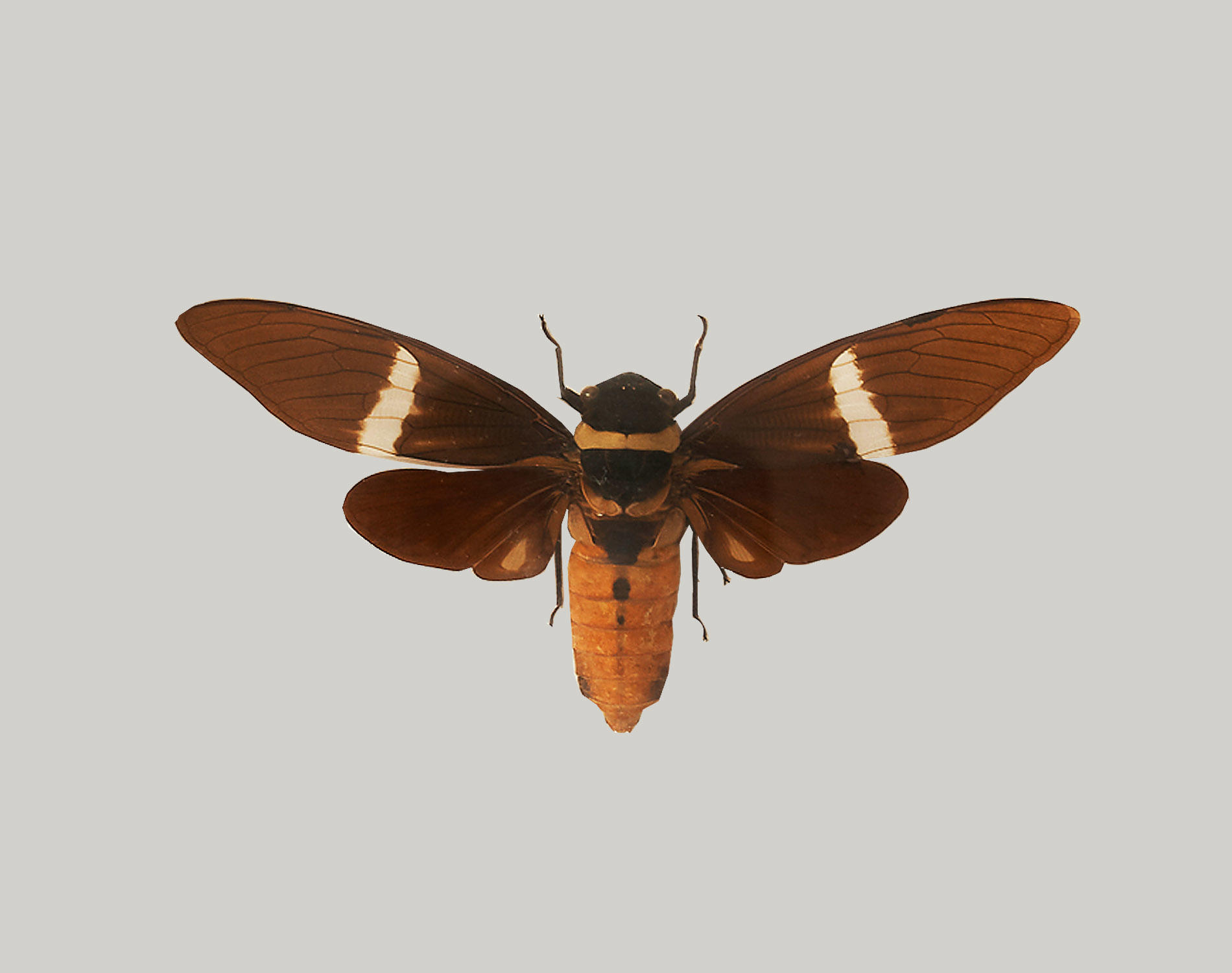


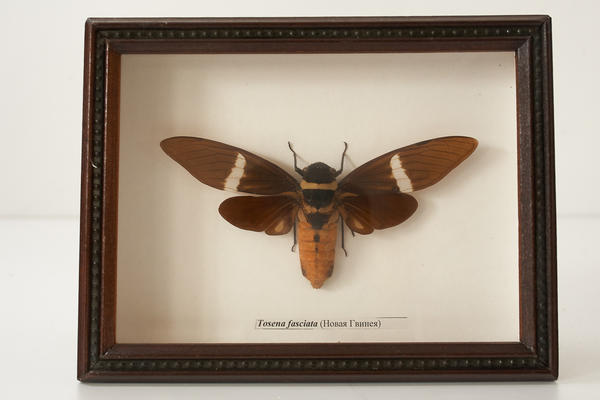
The cicada is an insect of the hemipterans group, resembling a moth or a large fly. Cicadas are thermophilic, they are to be found all over the world, with the exception of the polar and circumpolar regions. There are 18 species of them in Europe.
The most famous family is Tibicen linnet or ‘singinging’ cicadas. It includes about one and a half thousand species. The body length of cicadas is 2-6 cm on average, and the wingspan of some species (e.g., the empress cicada Pomponia imperatoria) is up to 18 cm. Despite the diversity in sizes, all cicadas are similar: they have two pairs of strong wings with hard veins, six legs with spikes on the forelegs, and three simple eyes placed between facet eyes.
Insects live in deciduous forests. They feed on timber saps, so for spreading they need an abundance of vegetation. Cicadas use a proboscis to get food. Females help themselves with a serrate ovipositor to struggle through the tree bark.
The lifetime of cicadas is quite long for insects, up to several years. Cicadas of North America are long-livers — they live up to 17 years. Development of the insects passes through several stages. First, larvae develop from eggs laid by a female under the bark of a plant or inside it. The larvae possess strong paws adapted for digging, they burrow into the soil and feed on sap of tree and shrub roots. Prior to becoming fully-grown specimens, nymph larvae rise to the surface of the earth. They do not live long as adult insects — only for a few summer months — they die soon after mating and laying eggs.
‘Singing’ cicadas got their name for characteristic chirping. These are only male specimens who ‘sing’ using special convex membranes, called cymbalo, located on the lower part of the abdomen. Males rhythmically tighten and relax the muscles, producing the chirp. The volume of the sound is amplified by resonating plates. The strength of the sound sometimes reaches 120 decibels, it can spread to a distance of up to 900 meters.
The purpose of the sound communication is to attract females. The louder the male is ‘performing solo’, the more attractive he is in the eyes of the opposite sex. But the ‘warbles’ produced by the male attract not only females, but also predators: snakes, birds, spiders. To survive, cicadas cluster together in order to make it more difficult to detect any of them individually. The best time for ‘concerts’ of cicadas is hot summer days. Solar heat gives insects energy for the tedious work.
The most famous family is Tibicen linnet or ‘singinging’ cicadas. It includes about one and a half thousand species. The body length of cicadas is 2-6 cm on average, and the wingspan of some species (e.g., the empress cicada Pomponia imperatoria) is up to 18 cm. Despite the diversity in sizes, all cicadas are similar: they have two pairs of strong wings with hard veins, six legs with spikes on the forelegs, and three simple eyes placed between facet eyes.
Insects live in deciduous forests. They feed on timber saps, so for spreading they need an abundance of vegetation. Cicadas use a proboscis to get food. Females help themselves with a serrate ovipositor to struggle through the tree bark.
The lifetime of cicadas is quite long for insects, up to several years. Cicadas of North America are long-livers — they live up to 17 years. Development of the insects passes through several stages. First, larvae develop from eggs laid by a female under the bark of a plant or inside it. The larvae possess strong paws adapted for digging, they burrow into the soil and feed on sap of tree and shrub roots. Prior to becoming fully-grown specimens, nymph larvae rise to the surface of the earth. They do not live long as adult insects — only for a few summer months — they die soon after mating and laying eggs.
‘Singing’ cicadas got their name for characteristic chirping. These are only male specimens who ‘sing’ using special convex membranes, called cymbalo, located on the lower part of the abdomen. Males rhythmically tighten and relax the muscles, producing the chirp. The volume of the sound is amplified by resonating plates. The strength of the sound sometimes reaches 120 decibels, it can spread to a distance of up to 900 meters.
The purpose of the sound communication is to attract females. The louder the male is ‘performing solo’, the more attractive he is in the eyes of the opposite sex. But the ‘warbles’ produced by the male attract not only females, but also predators: snakes, birds, spiders. To survive, cicadas cluster together in order to make it more difficult to detect any of them individually. The best time for ‘concerts’ of cicadas is hot summer days. Solar heat gives insects energy for the tedious work.