

A mammoth is one of the most mysterious and famous animals that have ever existed on earth. The recent research has established that mammoths appeared more than 5 million years ago, and became extinct not 10,000 years ago, as previously thought, but only 4000. Scientists are still studying the reasons for their extinction: according to one version, it was not the global climate change, but human activity and hunting.
The ancient mammoth was a large mammal of the Elephantidae family. The main species of Mammut genus were similar in size to today’s African elephants: their weight did not exceed a ton and their height was two meters. There were giants, too, weighing 13 tons and six meters tall. Mammoths differed from elephants by having bulkier bodies, shorter legs and longer hair.
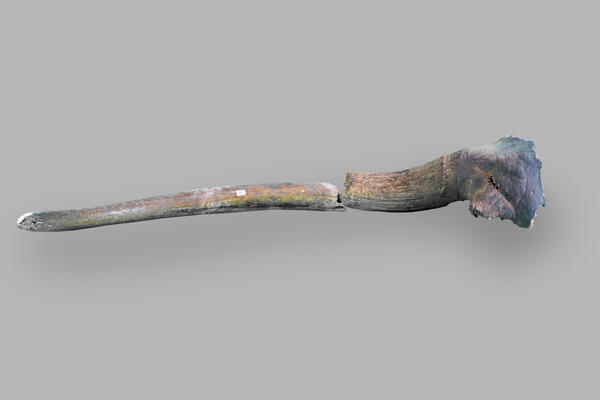
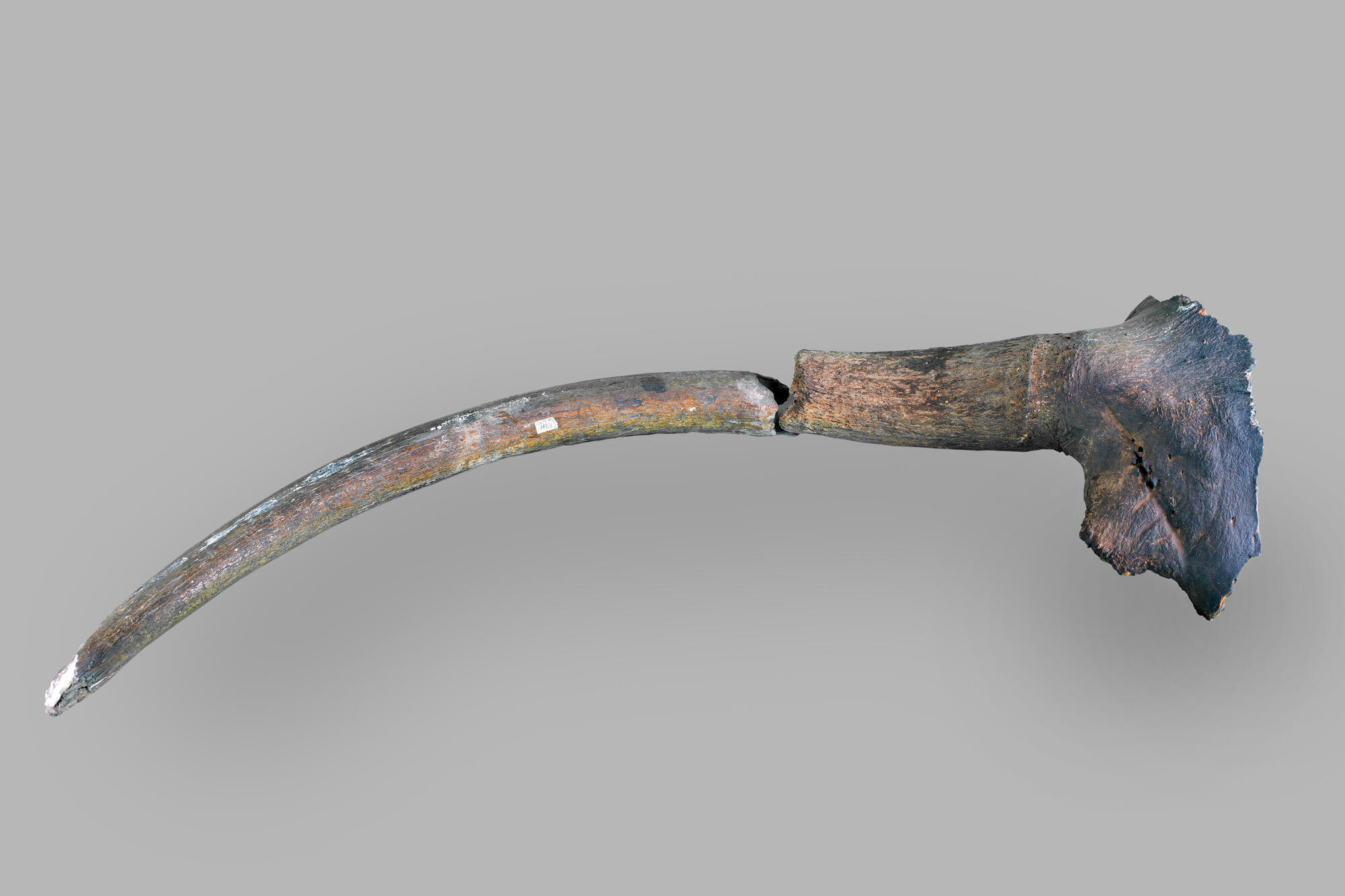
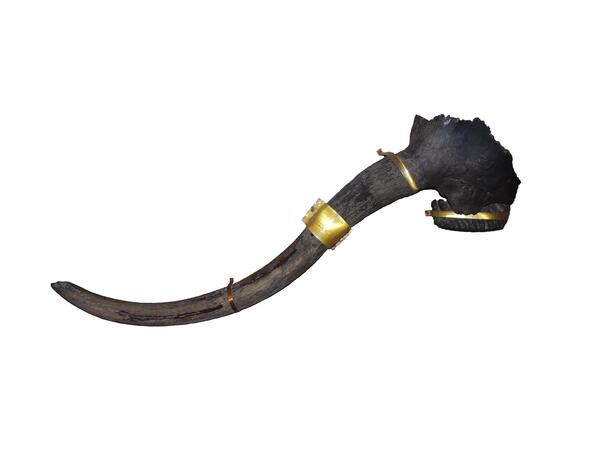
Mammoth tusks are enlarged upper teeth, incisors, which they used to dig through snow, rip off tree bark, and uproot plants. Tusks provided mammoth with protection, they could break and chip off, and grew throughout their lives. Tusks of large mammoths reached four meters in length and weighed up to 100 kg. Sometimes mammoths had four tusks — in this case the second pair of incisors was thinner and fused with the main one.
Mammoth tusk is a unique material, characterized by high durability and a wide range of colors. The bones have been in the ground for thousands of years and have undergone mineralization. The palette of their shades is a natural one, from dark-purple to pink and snow-white, and it is impossible to artificially recreate these colors. The price of mammoth tusk is directly proportional to its color: the darker the color, the more expensive it is. Mammoth bones are used for making jewel-boxes, snuff-boxes, chess, statuettes, jewelry and gun handles.
Mammoths were herd animals that always lived surrounded by other mammals: deer, aurochs, woolly rhinoceroses, bison, and horses. Mammoths lived everywhere except South America and Australia. Their remains were first discovered nearly 300 years ago and can still be found in North America, Europe, Africa and Asia. Mammoth bones, as well as drawings and sculptures depicting the mammoth are often found at the sites of Stone Age people.
The ancient mammoth was a large mammal of the Elephantidae family. The main species of Mammut genus were similar in size to today’s African elephants: their weight did not exceed a ton and their height was two meters. There were giants, too, weighing 13 tons and six meters tall. Mammoths differed from elephants by having bulkier bodies, shorter legs and longer hair.
Mammoth tusks are enlarged upper teeth, incisors, which they used to dig through snow, rip off tree bark, and uproot plants. Tusks provided mammoth with protection, they could break and chip off, and grew throughout their lives. Tusks of large mammoths reached four meters in length and weighed up to 100 kg. Sometimes mammoths had four tusks — in this case the second pair of incisors was thinner and fused with the main one.
Mammoth tusk is a unique material, characterized by high durability and a wide range of colors. The bones have been in the ground for thousands of years and have undergone mineralization. The palette of their shades is a natural one, from dark-purple to pink and snow-white, and it is impossible to artificially recreate these colors. The price of mammoth tusk is directly proportional to its color: the darker the color, the more expensive it is. Mammoth bones are used for making jewel-boxes, snuff-boxes, chess, statuettes, jewelry and gun handles.
Mammoths were herd animals that always lived surrounded by other mammals: deer, aurochs, woolly rhinoceroses, bison, and horses. Mammoths lived everywhere except South America and Australia. Their remains were first discovered nearly 300 years ago and can still be found in North America, Europe, Africa and Asia. Mammoth bones, as well as drawings and sculptures depicting the mammoth are often found at the sites of Stone Age people.