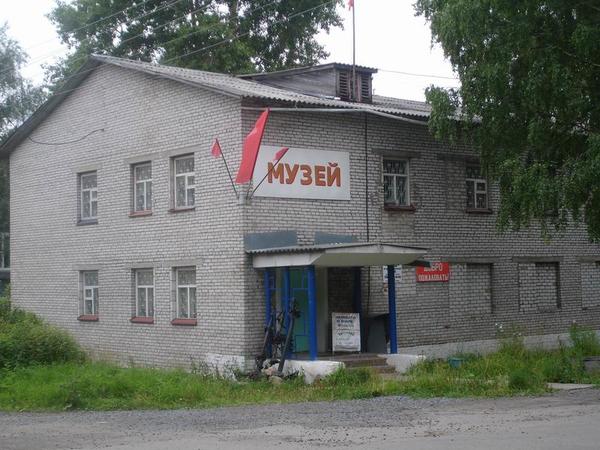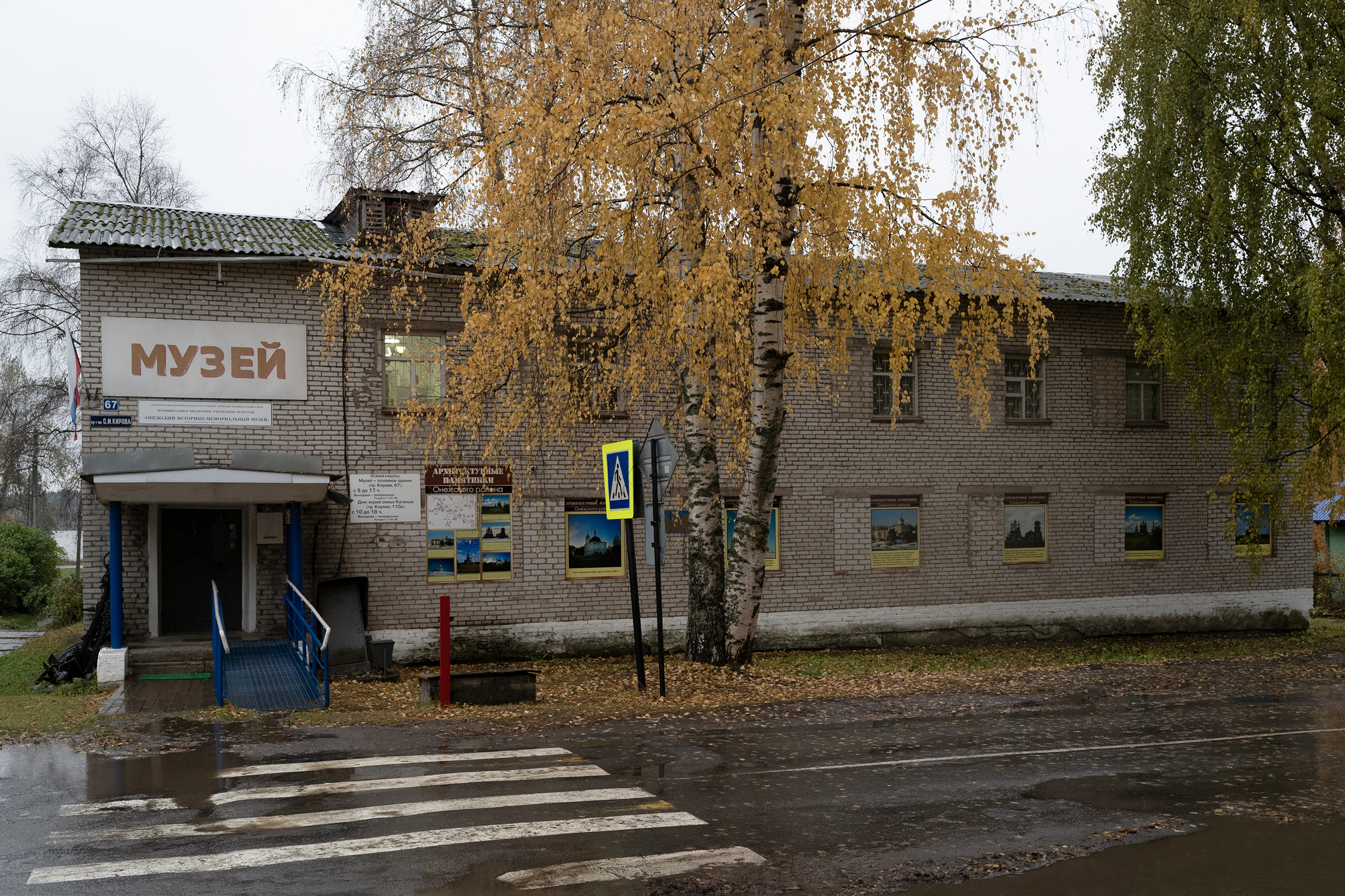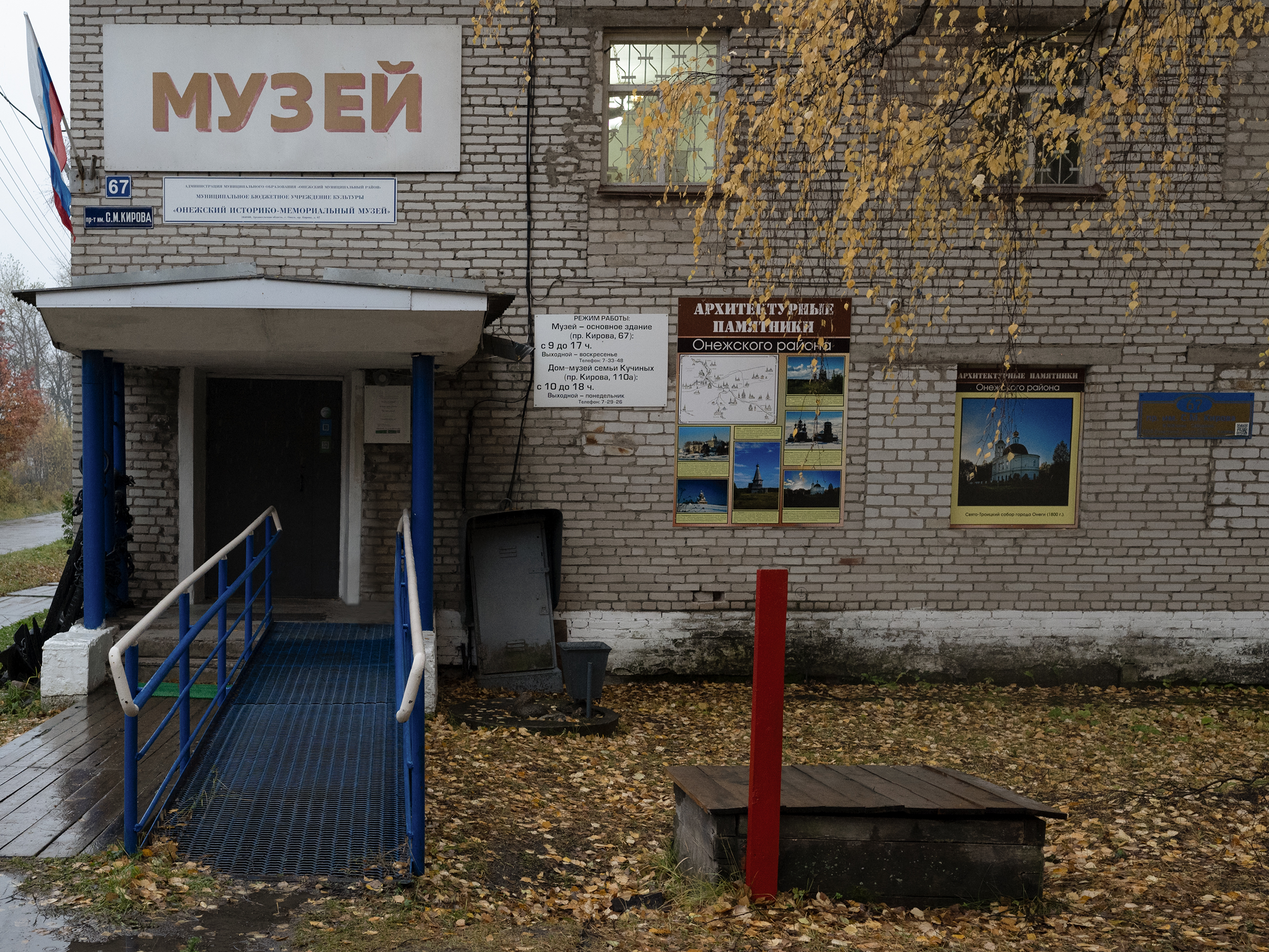
The Onega Historical and Memorial Museum houses cultural artifacts and everyday objects that were used in the Onega District. The exhibits tell the story of Pomor crafts and trades, the settlement of the area by Novgorodians, and the development of sawmill industry in the Russian North. The museum was founded in 1925. Many exhibits were gathered thanks to the collector and enthusiast Nikolay Alexandrovich Nakonechny who was only 17 years old at the time.
In the 1950s, due to the difficulties associated with the building, the museum stopped operating for several years. Later, with the help of local historians, it reopened. Over time, the museum received a second building — the Kuchin Family House Museum.
Alexander Stepanovich Kuchin
was a polar navigator, captain, oceanographer, and Arctic and Antarctic
explorer. He took part in Roald Amundsen’s South Pole expedition in 1910–1911. Later,
he became the captain of the Arctic expedition led by Vladimir Alexandrovich
Rusanov, which ended in tragedy off the coast of the Taymyr Peninsula. Several
of the museum’s exhibits are related to the life and work of the polar explorer
and his family.