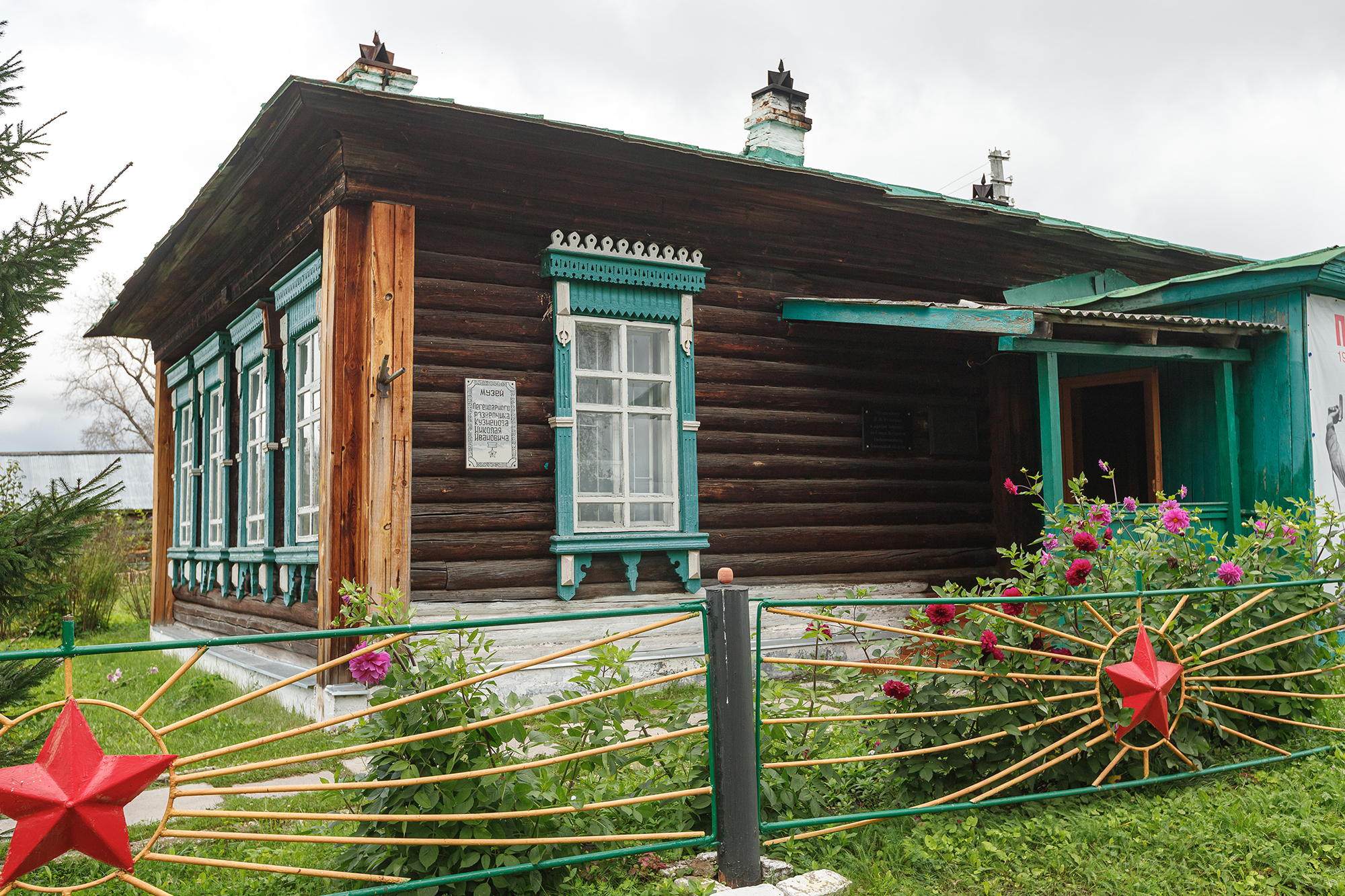
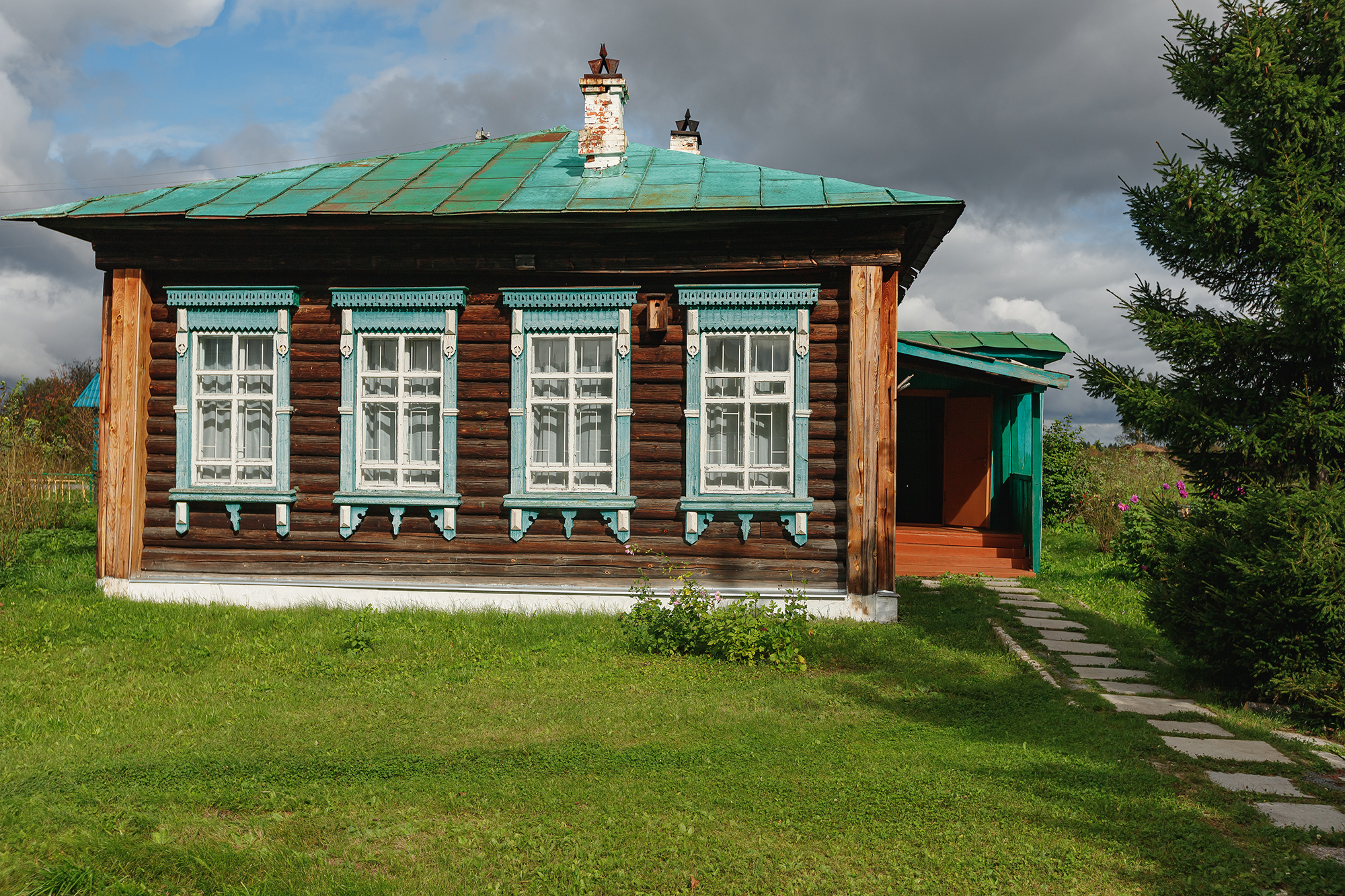
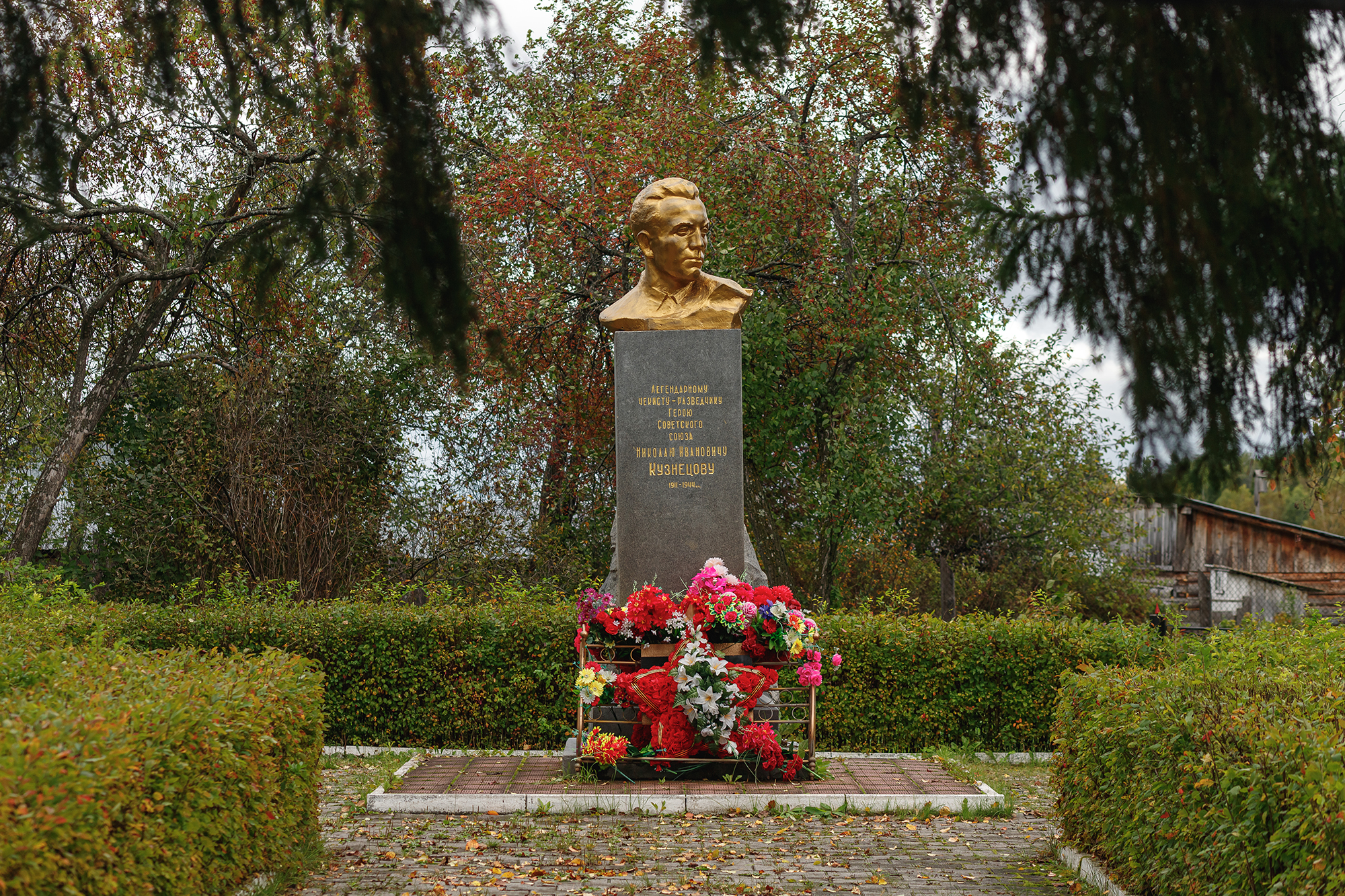
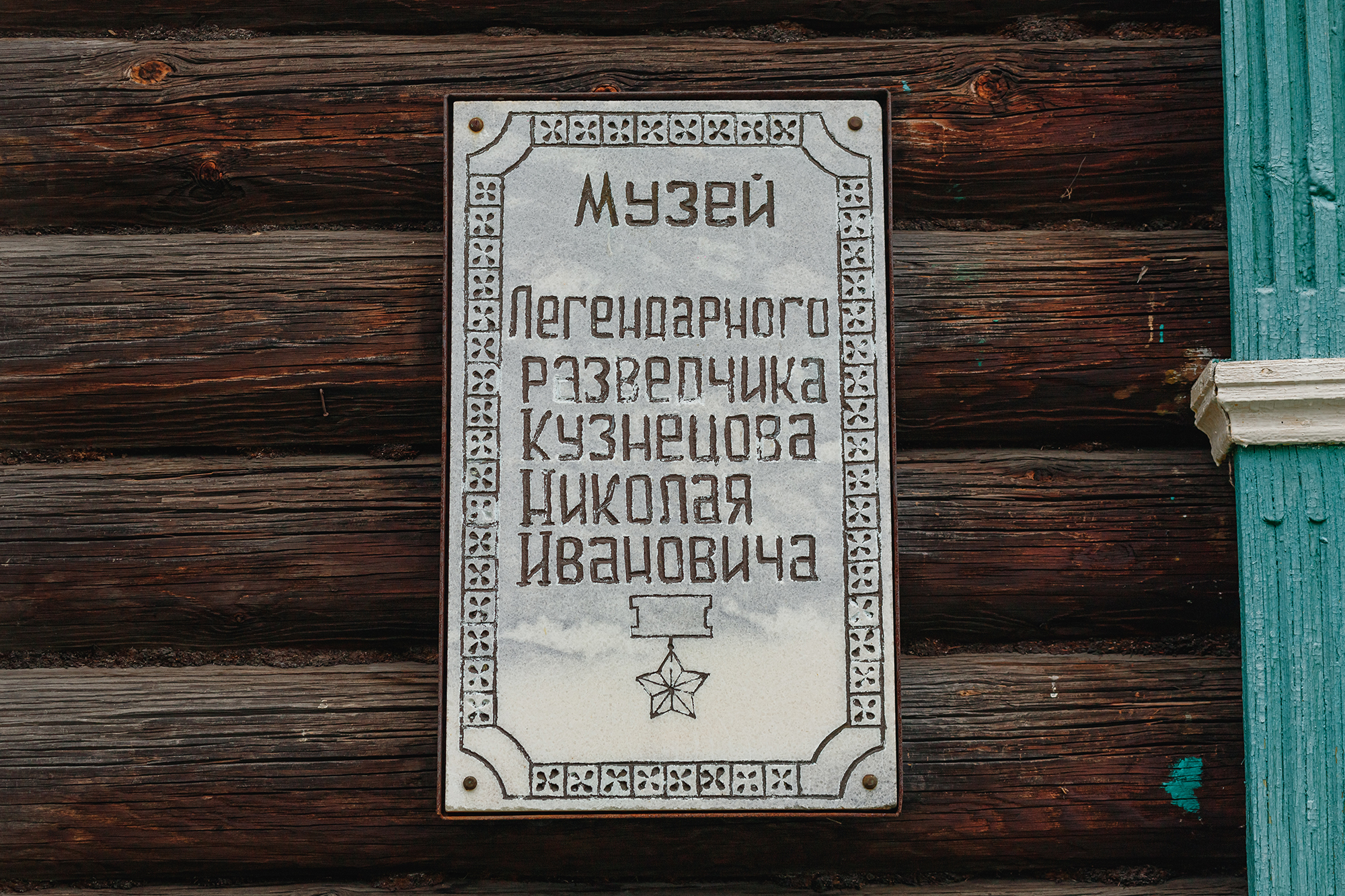
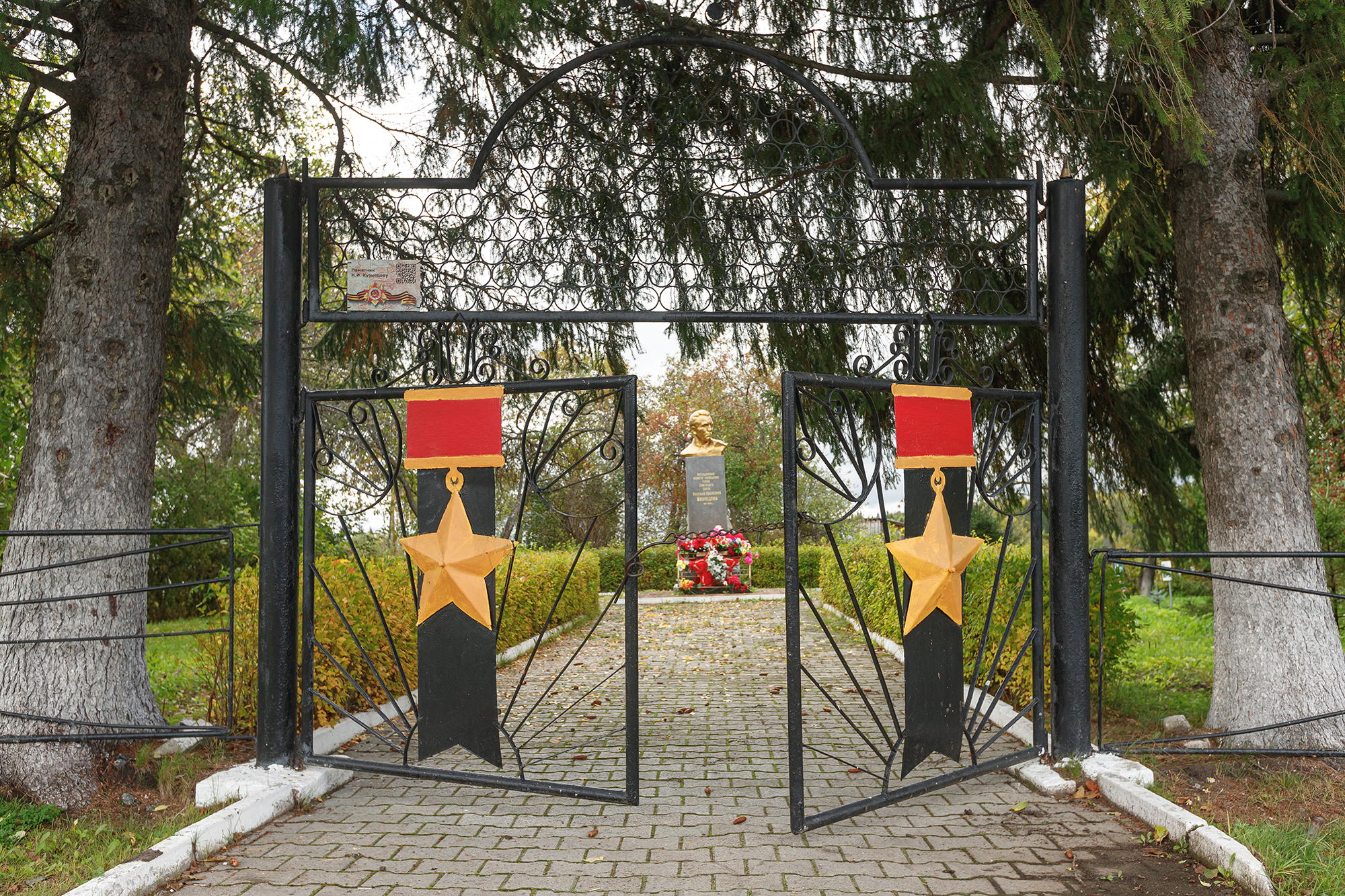
The Museum of Hero of the Soviet Union and intelligence officer Nikolai Ivanovich Kuznetsov, located in the town of Talitsa, was opened in 1953 on the initiative of Dmitry Nikolaevich Medvedev — the commander of “The Winners” partisan detachment in which Kuznetsov fought. Medvedev donated his book “It Was Near Rovno”, along with documents and photographs of Kuznetsov and many other members of the detachment, to help establish the museum’s collection.
The space for the museum was allocated in the building of the Talitsa Forestry College, where Kuznetsov had studied from 1927 to 1929. Using the donated materials, the college librarian, Yulia Vasilyevna Chek, created a dedicated display corner in the reading room. Extensive research and collection efforts were carried out by staff of the technical school and by Sofya Iosifovna Bruskova, Kuznetsov’s classmate at the seven-year secondary school in Talitsa.
Until 1978, the museum held the status of a folk museum. That year, it was incorporated into the Sverdlovsk Regional Museum of Local Lore, and in 2008 it became a branch of the Ural State Military History Museum. In 2011, on the occasion of the 100th anniversary of Nikolai Kuznetsov’s birth, the museum underwent major renovations and a new exhibition was formed. Its design was developed by specialists from the Ural Regional Institute of Museum Projects.
The renovated museum is dedicated to the heroic life of Nikolai Kuznetsov — a life marked by danger, courage, and selfless devotion to his country. The exhibition seamlessly blends artistic design with authentic artifacts from the era. Several halls, each corresponding to a key stage in the spy’s life, trace the major milestones of his biography through photographs, personal belongings, and historical documents. Among the most compelling exhibits are the “Partisan Dugout” installation and the uniform of a German officer — the very disguise Kuznetsov wore while operating on the streets of occupied Rovno.
In 1978, a second museum dedicated to Kuznetsov was opened in his native village of Zyryanka, housed in the building of the former elementary school. This museum focuses on his childhood and school years. Later, in 1986, a recreated 1920s–1930s peasant household was opened nearby as a house museum, offering visitors a vivid glimpse into rural life in early twentieth-century Russia.